
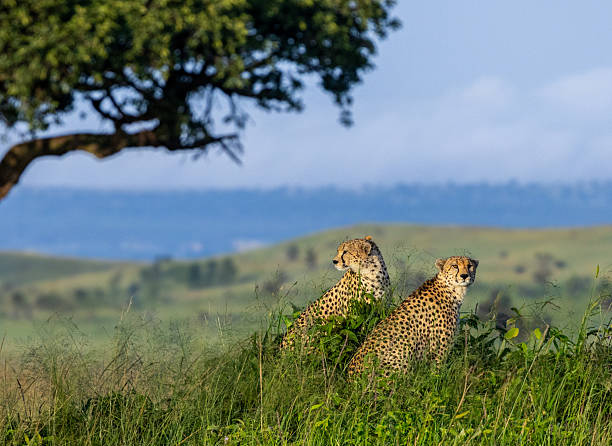
Serengeti National Park
Discover the iconic Serengeti National Park, Tanzania — home to the Great Migration, the Big Five, and endless savannah plains. The ultimate African safari destination awaits.
Plan Your Serengeti SafariDiscover the iconic Serengeti National Park, Tanzania
Renowned as one of Africa's premier safari destinations, the Serengeti offers an unmatched wildlife viewing experience. This vast park is home to the famous Big Five: elephants, lions, buffaloes, rhinoceroses, and leopards, as well as many other animals including giraffes, hippos, and crocodiles. It's also where the Great Migration of wildebeests and zebras takes place. With over 70 species of large mammals and 500 birds, the Serengeti is a must-visit wildlife area.
Together with the Ngorongoro Conservation Area and Mount Kilimanjaro, the Serengeti National Park is recognized as part of the UNESCO World Heritage List.
Where is the Serengeti National Park located?
Is Serengeti in Kenya or Tanzania? The Serengeti National Park is located in northern Tanzania, stretching over 1,500,000 hectares of wild savanna.
Serengeti National Park Location Map
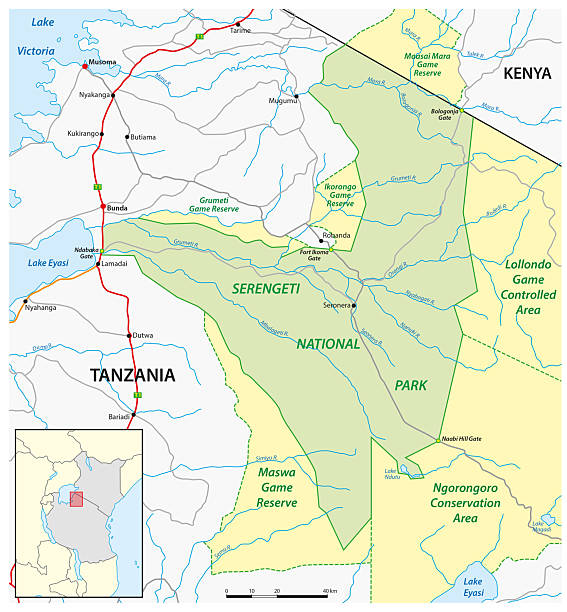
Coordinates: 2°19′S 34°50′E | Area: 14,750 sq km (5,700 sq mi)
What is the best month to visit the Serengeti?
You can visit the Serengeti all year round. Each season offers unique wildlife viewing opportunities.
Serengeti in January (Dry Season)
By mid-January, the short rainy season ends, and the weather is clear and hot. Giraffes, elephants, buffaloes, and other herbivores enjoy the thick juicy grass, while predators rest in the shade of acacias. In the south-eastern Serengeti, a new cycle of the Great Migration begins: large herds of wildebeest, zebras, and gazelles start moving south across the Serengeti plains in search of fresh pastures. This is one of the most popular months for safaris.
Serengeti in February (Dry Season)
February is the hottest and driest month in Tanzania. The sky is almost always clear, the grass in the savanna dries up. During this month, the giant herds of the Great Migration rest in the southern plains. At this time, wildebeests and zebras give birth to their young, with up to 8000 babies born each day.
Serengeti in March (Shoulder Season)
March is a warm transitional month between the dry and rainy seasons. Starting from mid-March, there are noticeably fewer other safari vehicles in the park, and many lodges begin to offer seasonal discounts. This month is well-suited for travelers who prefer a secluded vacation.
Serengeti in April (Rainy Season)
In April, rains are common. Animals can be encountered in any part of the park: the rains create new waterholes. April sees the fewest travelers in the Serengeti, and hotels offer the most advantageous seasonal deals.
Serengeti in May (Rainy Season)
The Serengeti continues to experience seasonal rains in May. The savanna is drowning in greenery, and large herbivores disperse across the entire territory. Like in April, there are relatively few travelers, and hotels offer seasonal discounts.
Serengeti in June (Shoulder Season)
By mid-June, dry weather returns. The savanna enjoys comfortable weather, and the park is not yet crowded. Large herds of wildebeest and zebras begin their mass crossing through the Grumeti River — one of the most iconic sights on a safari.
Serengeti in July (Dry Season)
July is the coldest month. Large herds begin their crossing of the Mara River in the northern Serengeti. This is the climax of the Great Migration — an epic wildlife drama that can only be seen in the Serengeti.
Serengeti in August (Dry Season)
August — the peak of the dry season. Large herds gather in the northern part of the park, where the climax of the Great Migration continues. July and August are the best months to witness river crossings.
Serengeti in September (Dry Season)
September enjoys warm and clear weather. The savanna dries up, and animals tend to stay closer to water bodies. On a safari, you are sure to see all the main African animals against stunning landscapes.
Serengeti in October (Dry Season)
October is the last dry month before the rainy season. Large herds return to the Serengeti from Kenya and again cross the Mara River in the park's northern part.
Serengeti in November (Rainy Season)
November marks the beginning of the rainy season. The park sees significantly fewer visitors, and lodges offer seasonal discounts. Perfect for those who want a more secluded experience.
Serengeti in December (Shoulder Season)
By mid-December, the rainy period concludes, and the Serengeti welcomes holiday season visitors. Migrating herds gather in the western part of the park, where the annual cycle of the Great Migration concludes.
The Great Wildebeest Migration
The greatest wildlife spectacle on Earth
The Great Wildebeest Migration
The Great Migration is a yearly event where 1.5 million wildebeest, zebras, gazelles, and other ungulates gather into one enormous herd and traverse the national park in pursuit of greener pastures. This is the largest gathering of large mammals on the planet. Starting from the south and moving clockwise to the north, it peaks with the dramatic crossings of the Grumeti and Mara rivers.
Learn more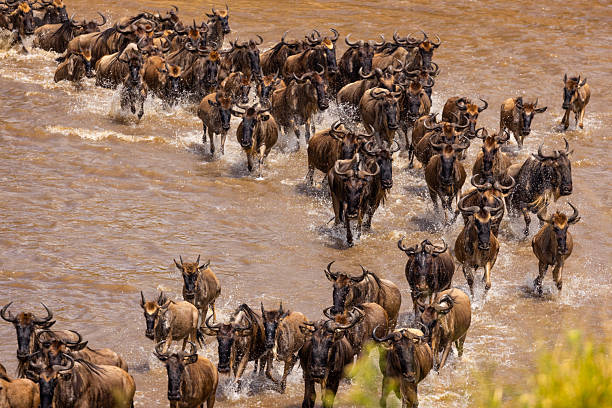
Not sure if Serengeti is the right fit? Compare Serengeti with other Tanzania safari parks.
What are the main attractions of the Serengeti?
The Serengeti is one of the largest safari parks in Africa. To visit the main locations, travelers need 3-4 days.
Central Serengeti and the Seronera River Valley
This is the most popular place in the Serengeti. Here, you can see practically all the animals, and it is also where most safari lodges are located. Almost all multi-day safaris in the Serengeti start in its central part.
Western Corridor and Grumeti River
The western part of the park is an open savanna. Here you can see all the iconic African animals. The Grumeti River is home to hippos and crocodiles, and it's a key crossing point during the Great Migration.
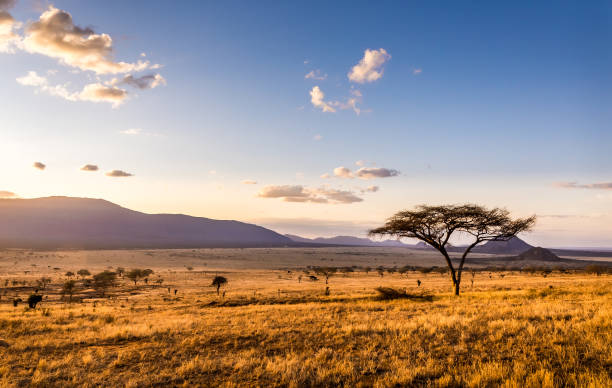
Northern Serengeti: Kogatende and Mara River
The final stage of the Great Migration happens in the northern Serengeti when large herds cross the wide Mara River. This area is very picturesque and a must-visit during a safari, especially from July to October.
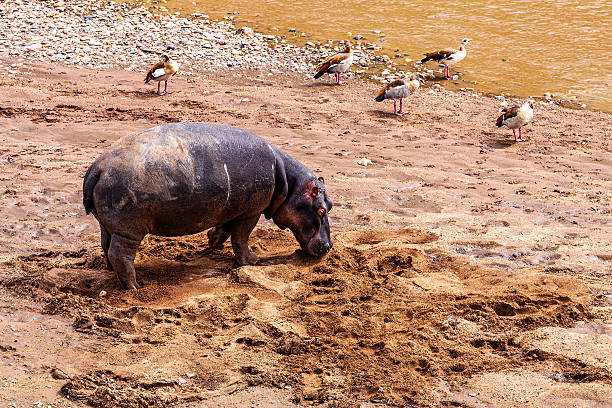
Animals in Serengeti National Park
The Serengeti is home to more than seventy species of large mammals, making it the best place to see all the famous African animals.

Elephant
Common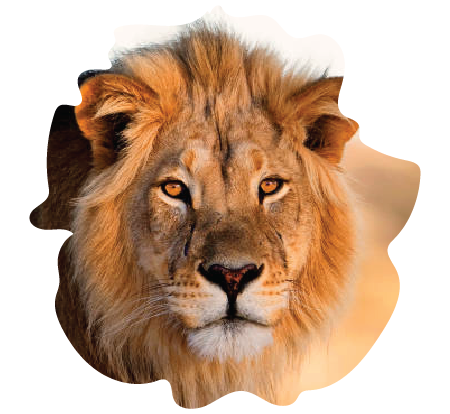
Lion
Common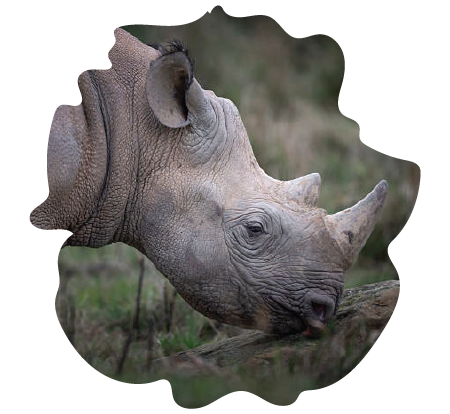
Black Rhino
Rare
Leopard
Rare
Giraffe
Common
Cheetah
Rare
Zebra
Common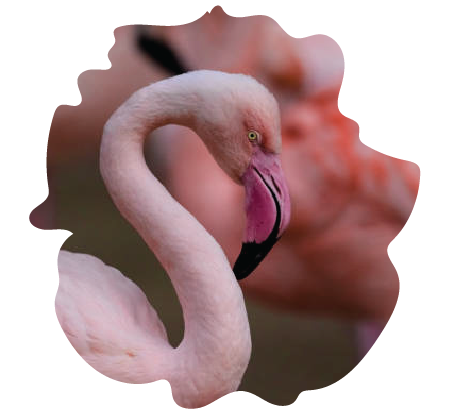
Flamingo
SeasonalActivities in the Serengeti National Park
A classic safari can be enhanced with unique experiences in the savanna.
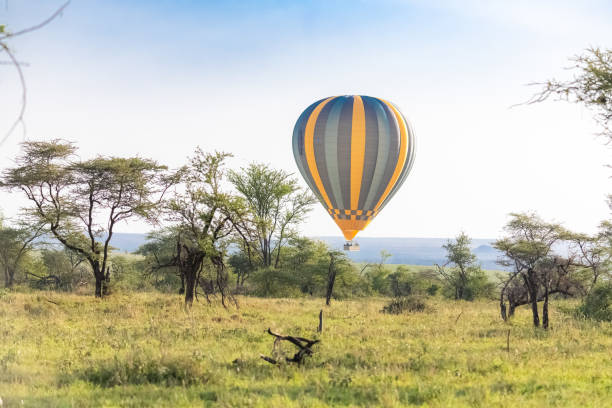
Hot Air Balloon Safari
View the endless plains from above at sunrise. The only way to see the Serengeti from a bird's eye perspective. Includes champagne breakfast.
From $550 per person
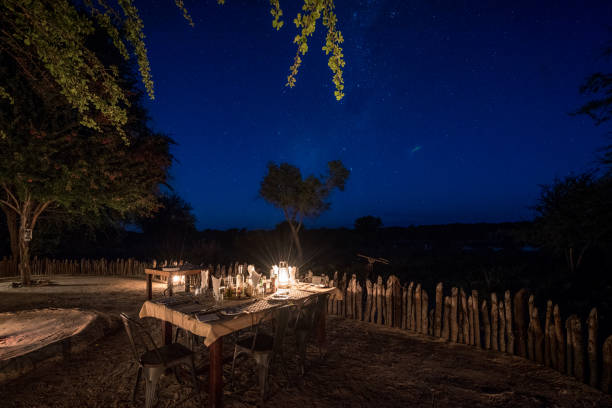
Breakfast & Dinner in the Savanna
Enjoy fine dining under the African sky, surrounded by the sounds of the savanna. A truly unforgettable experience.
From $50 per person
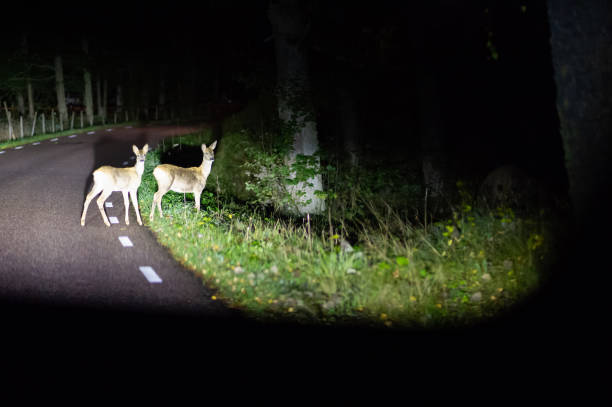
Night Safaris
Spot nocturnal animals like leopards, civets, genets, and bush babies in private reserves adjacent to the park.
From $100 per person
Best lodges and camps in the Serengeti
From luxury lodges to authentic tented camps within the park
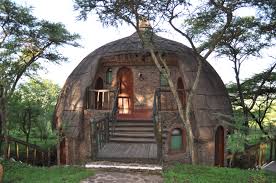
Serengeti Serena Safari Lodge
Iconic stone architecture in central Serengeti. Stunning views, infinity pool, and prime wildlife location in the Seronera Valley.
From $450/night
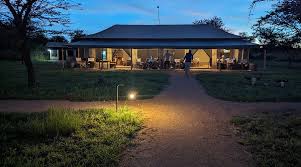
Kontiki Serengeti Camp
Comfortable tented camp offering authentic safari experience with modern amenities. Located in central Serengeti.
From $280/night
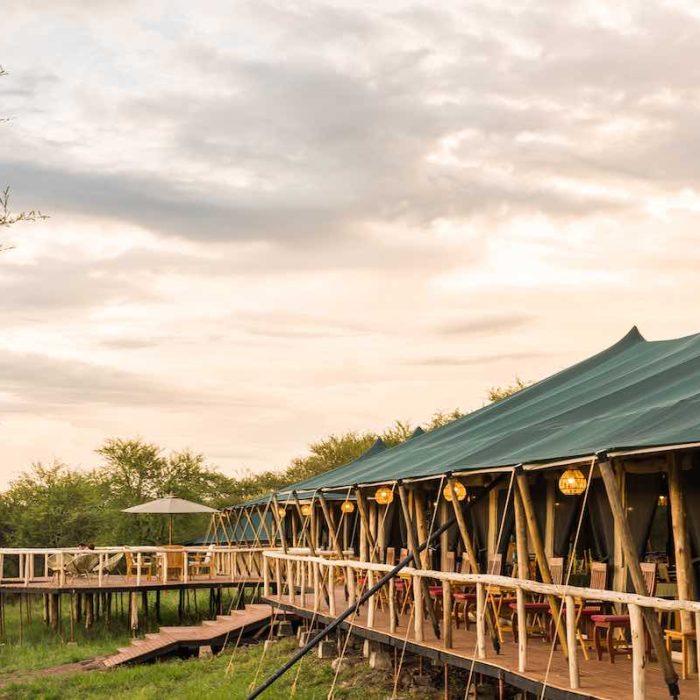
Tukaone Weavers Camp
Authentic tented camp in central Serengeti. Excellent location for game drives with comfortable accommodations.
From $220/night
Wildlife conservation projects in the Serengeti

Moru Kopjes Rhino Conservation
The Serengeti is one of the few places where black rhinos can be seen. Conservation work to protect rhinos is carried out in the Moru Kopjes area. The colony is protected by park rangers, and the number of rhinos is gradually increasing.

Serengeti De-Snaring Program
Annually, poachers set thousands of traps in the Serengeti. The De-Snaring program staff and rangers patrol the park, collect traps, and assist ensnared animals. The project is funded by donations from participating tour operators.
Frequently Asked Questions about the Serengeti
By safari vehicle: Most safaris begin in Arusha. Before reaching the Serengeti, visitors usually explore Tarangire, Lake Manyara, and Ngorongoro along the way. Direct travel from Arusha without stops takes 8-9 hours.
By plane: Regular flights from Arusha and Kilimanjaro airports to Serengeti airstrips (Seronera, Grumeti, Kogatende). Flight time 1-2 hours.
From Lake Victoria: 2-3 hour drive from Mwanza to Ndabaka gate in western Serengeti.
To comfortably explore the Serengeti, plan 4-6 days. Spend 2-3 days in central Seronera, and additional days in areas where the Great Migration is located. This allows for leisurely wildlife viewing and longer stays at the most interesting locations.
Since the 19th century, the Maasai tribes called this land "siringet," which translates to "endless plains." Over time, "siringet" transformed into "Serengeti." The name perfectly captures the vast, seemingly infinite savannah landscape.
Elephants: about 7,000 individuals
Buffaloes: about 60,000
Lions: about 3,000 individuals
Great Migration animals: 1.6 million wildebeests, other antelopes, and zebras.
The Great Migration occurs year-round. The most dramatic moments — the river crossings of the Mara, Mbalageti, and Grumeti rivers — take place from June to August. This is when ungulates gather into huge herds and cross rivers teeming with crocodiles.
A mid-range safari typically costs between USD $400 and $600 per person per day. Luxury safaris with exclusive lodges can range from $800 to $2,000+ per person per day. Prices vary by season, accommodation choice, and duration.
Ready to Experience the Serengeti?
Let our expert team craft your perfect Serengeti safari itinerary.
Plan Your Expedition