
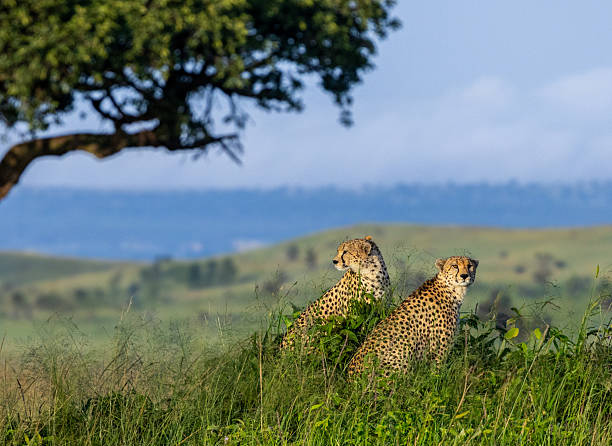
Parque Nacional Serengueti
Discover the iconic Serengeti National Park, Tanzania — home to the Great Migration, the Big Five, and endless savannah plains. The ultimate African safari destination awaits.
Planifica tu safari en el SerengetiDescubre el icónico Parque Nacional Serengeti, Tanzania
Reconocido como uno de los principales destinos de safari de África, el Serengeti ofrece una experiencia inigualable de observación de la vida silvestre. Este vasto parque es el hogar de los famosos Cinco Grandes: elefantes, leones, búfalos, rinocerontes y leopardos, así como muchos otros animales, como jirafas, hipopótamos y cocodrilos. También es donde tiene lugar la Gran Migración de ñus y cebras. Con más de 70 especies de grandes mamíferos y 500 aves, el Serengeti es un área de vida silvestre de visita obligada.
Junto con el Área de Conservación de Ngorongoro y el Monte Kilimanjaro, el Parque Nacional Serengeti está reconocido como parte de la Lista del Patrimonio Mundial de la UNESCO.
¿Dónde está ubicado el Parque Nacional Serengeti?
¿Está el Serengeti en Kenia o Tanzania? El Parque Nacional Serengeti está situado en el norte de Tanzania y se extiende sobre 1.500.000 hectáreas de sabana salvaje.
Mapa de ubicación del Parque Nacional Serengeti
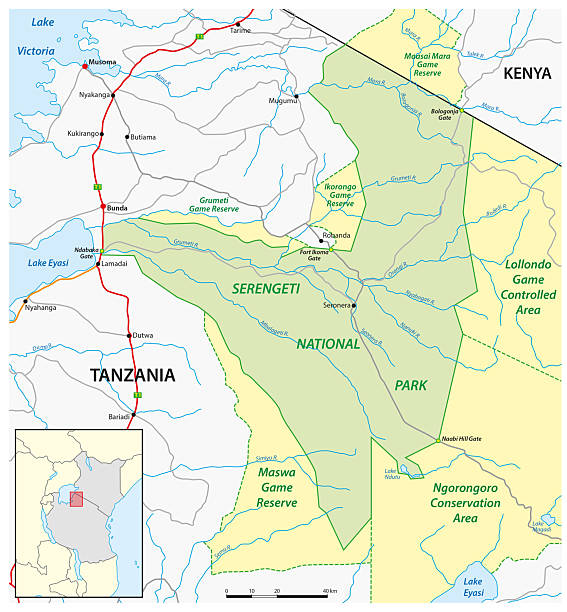
Coordinates: 2°19′S 34°50′E | Area: 14,750 sq km (5,700 sq mi)
¿Cuál es el mejor mes para visitar el Serengeti?
Puedes visitar el Serengeti durante todo el año. Cada temporada ofrece oportunidades únicas para observar la vida silvestre.
Serengeti en enero (estación seca)
A mediados de enero termina la corta temporada de lluvias y el clima es despejado y caluroso. Jirafas, elefantes, búfalos y otros herbívoros disfrutan de la hierba espesa y jugosa, mientras que los depredadores descansan a la sombra de las acacias. En el sureste del Serengeti, comienza un nuevo ciclo de la Gran Migración: grandes manadas de ñus, cebras y gacelas comienzan a desplazarse hacia el sur a través de las llanuras del Serengeti en busca de pastos frescos. Este es uno de los meses más populares para los safaris.
Serengeti en febrero (temporada seca)
Febrero es el mes más caluroso y seco de Tanzania. El cielo casi siempre está despejado, la hierba de la sabana se seca. Durante este mes, las manadas gigantes de la Gran Migración descansan en las llanuras del sur. En esta época, los ñus y las cebras dan a luz a sus crías, naciendo hasta 8.000 crías cada día.
Serengeti en marzo (temporada intermedia)
Marzo es un cálido mes de transición entre las estaciones seca y lluviosa. A partir de mediados de marzo, hay notablemente menos vehículos de safari en el parque y muchos albergues comienzan a ofrecer descuentos de temporada. Este mes es ideal para los viajeros que prefieren unas vacaciones aisladas.
Serengeti en abril (temporada de lluvias)
En abril las lluvias son habituales. Los animales se pueden encontrar en cualquier parte del parque: las lluvias crean nuevos pozos de agua. En abril se registra la menor cantidad de viajeros en el Serengeti y los hoteles ofrecen las ofertas de temporada más ventajosas.
Serengeti en mayo (temporada de lluvias)
El Serengeti continúa experimentando lluvias estacionales en mayo. La sabana se ahoga en vegetación y los grandes herbívoros se dispersan por todo el territorio. Como en abril, hay relativamente pocos viajeros y los hoteles ofrecen descuentos de temporada.
Serengeti en junio (temporada intermedia)
By mid-June, dry weather returns. The savanna enjoys comfortable weather, and the park is not yet crowded. Large herds of wildebeest and zebras begin their mass crossing through the Grumeti River — one of the most iconic sights on a safari.
Serengeti en julio (temporada seca)
July is the coldest month. Large herds begin their crossing of the Mara River in the northern Serengeti. This is the climax of the Great Migration — an epic wildlife drama that can only be seen in the Serengeti.
Serengeti en agosto (temporada seca)
August — the peak of the dry season. Large herds gather in the northern part of the park, where the climax of the Great Migration continues. July and August are the best months to witness river crossings.
Serengeti en septiembre (temporada seca)
Septiembre disfruta de un clima cálido y despejado. La sabana se seca y los animales tienden a permanecer más cerca de los cuerpos de agua. En un safari, seguramente verás los principales animales africanos en paisajes impresionantes.
Serengeti en octubre (temporada seca)
Octubre es el último mes seco antes de la temporada de lluvias. Grandes manadas regresan al Serengeti desde Kenia y nuevamente cruzan el río Mara en la parte norte del parque.
Serengeti en noviembre (temporada de lluvias)
Noviembre marca el comienzo de la temporada de lluvias. El parque recibe muchos menos visitantes y los albergues ofrecen descuentos de temporada. Perfecto para aquellos que desean una experiencia más aislada.
Serengeti en diciembre (temporada intermedia)
A mediados de diciembre concluye el período de lluvias y el Serengeti da la bienvenida a los visitantes de la temporada navideña. Los rebaños migratorios se reúnen en la parte occidental del parque, donde concluye el ciclo anual de la Gran Migración.
La gran migración de los ñus
El mayor espectáculo de vida silvestre en la Tierra.
La gran migración de los ñus
La Gran Migración es un evento anual en el que 1,5 millones de ñus, cebras, gacelas y otros ungulados se reúnen en una enorme manada y atraviesan el parque nacional en busca de pastos más verdes. Esta es la reunión de grandes mamíferos más grande del planeta. Comenzando desde el sur y avanzando en el sentido de las agujas del reloj hacia el norte, alcanza su punto máximo con los espectaculares cruces de los ríos Grumeti y Mara.
Más información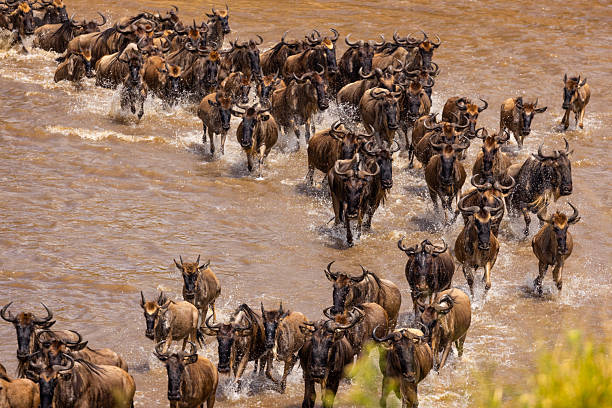
¿No estás seguro de si Serengeti es la opción adecuada?Compare el Serengeti con otros parques safari de Tanzania.
¿Cuáles son los principales atractivos del Serengeti?
El Serengeti es uno de los parques de safaris más grandes de África. Para visitar los lugares principales, los viajeros necesitan de 3 a 4 días.
Serengeti central y el valle del río Seronera
Este es el lugar más popular del Serengeti. Aquí se pueden ver prácticamente todos los animales y también es donde se encuentran la mayoría de los alojamientos de safari. Casi todos los safaris de varios días en el Serengeti comienzan en su parte central.
Corredor occidental y río Grumeti
La parte occidental del parque es una sabana abierta. Aquí puedes ver todos los animales africanos icónicos. El río Grumeti es hogar de hipopótamos y cocodrilos, y es un punto de cruce clave durante la Gran Migración.
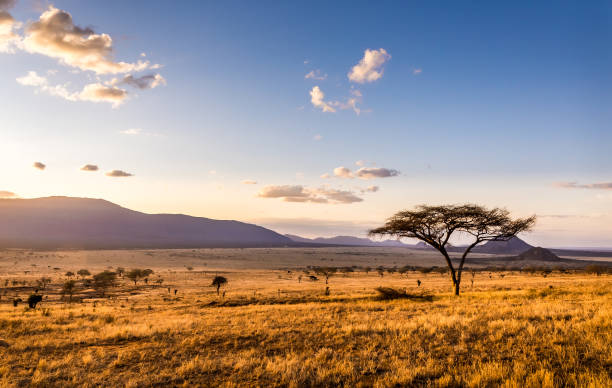
Serengeti del Norte: Kogatende y el río Mara
La etapa final de la Gran Migración ocurre en el norte del Serengeti cuando grandes manadas cruzan el ancho río Mara. Esta zona es muy pintoresca y una visita obligada durante un safari, especialmente de julio a octubre.
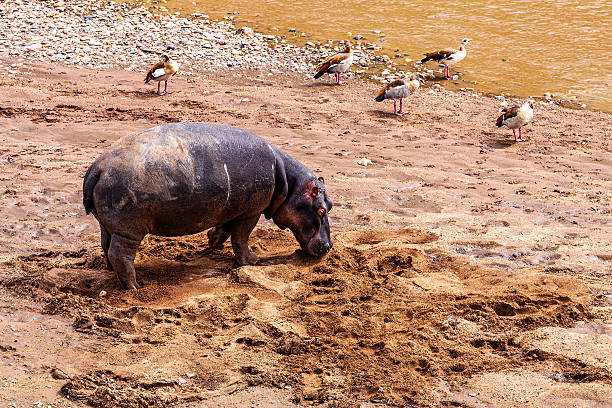
Animales en el Parque Nacional Serengeti
El Serengeti alberga más de setenta especies de grandes mamíferos, lo que lo convierte en el mejor lugar para ver todos los famosos animales africanos.

elefante
común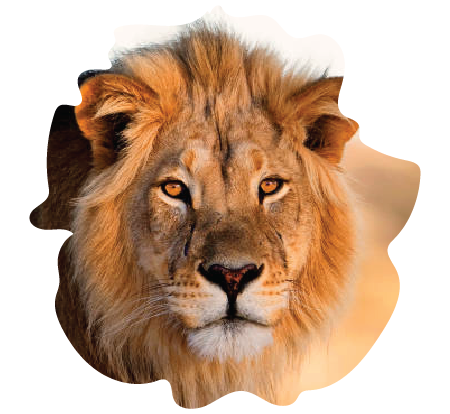
león
común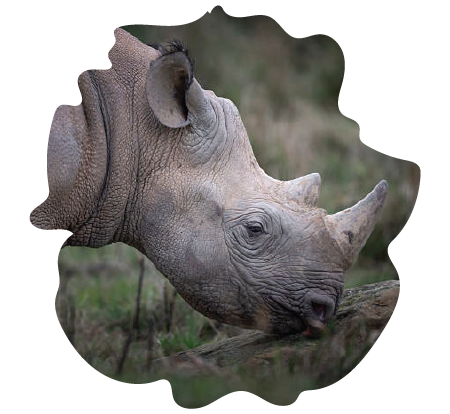
Rinoceronte negro
raro
leopardo
raro
Jirafa
común
guepardo
raro
cebra
común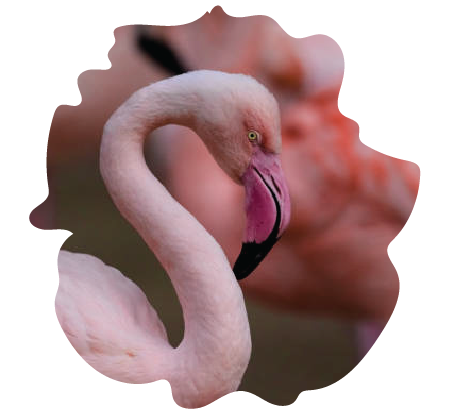
flamenco
estacionalActividades en el Parque Nacional Serengeti
Un safari clásico se puede potenciar con experiencias únicas en la sabana.
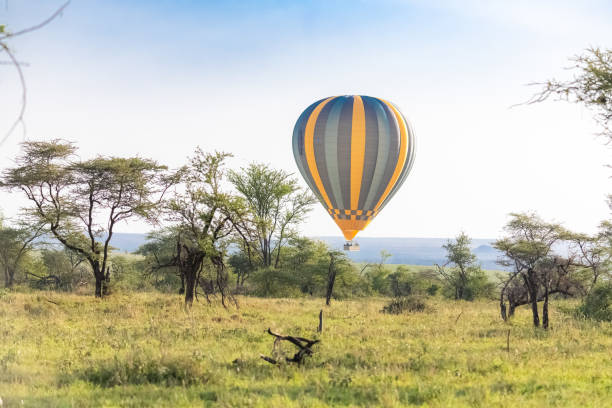
Safari en globo aerostático
Vea las interminables llanuras desde arriba al amanecer. La única forma de ver el Serengeti a vista de pájaro. Incluye desayuno con champán.
Desde $550 por persona
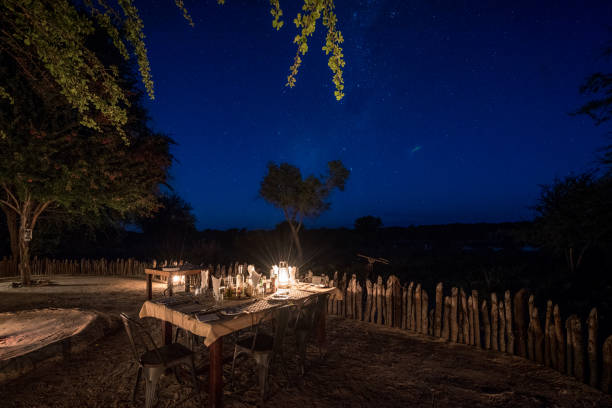
Desayuno y Cena en la Sabana
Disfrute de una excelente cena bajo el cielo africano, rodeado de los sonidos de la sabana. Una experiencia verdaderamente inolvidable.
Desde $50 por persona
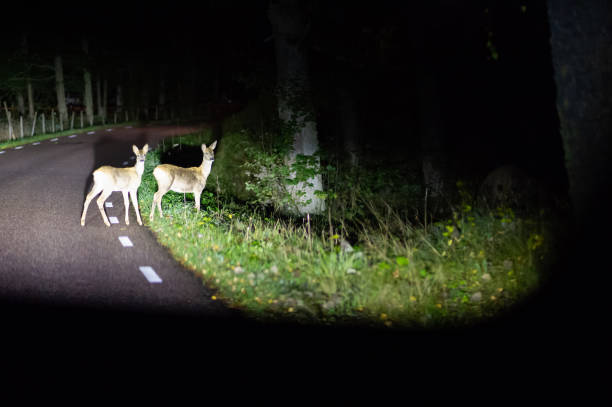
Safaris nocturnos
Observa animales nocturnos como leopardos, civetas, ginetas y crías de arbustos en reservas privadas adyacentes al parque.
Desde $100 por persona
Los mejores albergues y campamentos en el Serengeti
Desde alojamientos de lujo hasta auténticos campamentos de tiendas de campaña dentro del parque
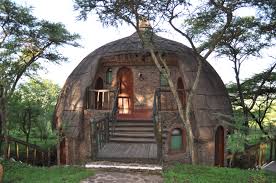
Serengeti Serena Safari Lodge
Arquitectura de piedra icónica en el centro de Serengeti. Impresionantes vistas, piscina infinita y ubicación privilegiada para la vida salvaje en el valle de Seronera.
Desde $450/noche
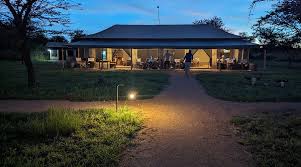
Campamento Kontiki Serengeti
Cómodo campamento de tiendas de campaña que ofrece una auténtica experiencia de safari con comodidades modernas. Situado en el centro de Serengeti.
Desde $280/noche
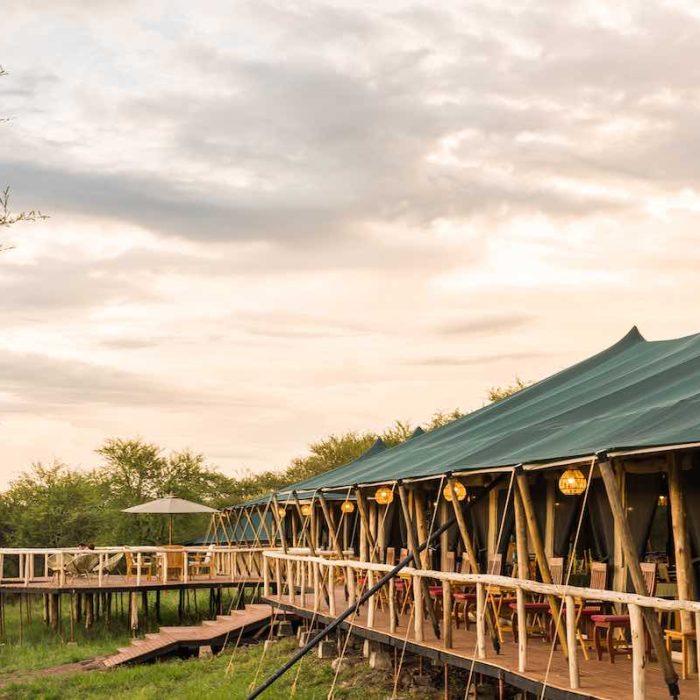
Campamento de tejedores Tukaone
Auténtico campamento de tiendas de campaña en el centro de Serengeti. Excelente ubicación para safaris con alojamiento confortable.
Desde $220/noche
Proyectos de conservación de la vida silvestre en el Serengeti

Conservación del rinoceronte Moru Kopjes
El Serengeti es uno de los pocos lugares donde se pueden ver rinocerontes negros. En la zona de Moru Kopjes se llevan a cabo trabajos de conservación para proteger a los rinocerontes. La colonia está protegida por guardaparques y el número de rinocerontes está aumentando gradualmente.

Programa de eliminación de trampas del Serengeti
Cada año, los cazadores furtivos colocan miles de trampas en el Serengeti. El personal del programa De-Snaring y los guardabosques patrullan el parque, recogen trampas y ayudan a los animales atrapados. El proyecto está financiado por donaciones de los operadores turísticos participantes.
Preguntas frecuentes sobre el Serengeti
En vehículo safari:La mayoría de los safaris comienzan en Arusha. Antes de llegar al Serengeti, los visitantes suelen explorar Tarangire, el lago Manyara y Ngorongoro a lo largo del camino. El viaje directo desde Arusha sin paradas dura entre 8 y 9 horas.
En avión:Vuelos regulares desde los aeropuertos de Arusha y Kilimanjaro a las pistas de aterrizaje de Serengeti (Seronera, Grumeti, Kogatende). Tiempo de vuelo 1-2 horas.
Desde el lago Victoria:2-3 horas en coche desde Mwanza hasta la puerta de Ndabaka en el oeste de Serengeti.
Para explorar cómodamente el Serengeti, planifique de 4 a 6 días. Pase 2-3 días en el centro de Seronera y días adicionales en áreas donde se encuentra la Gran Migración. Esto permite observar tranquilamente la vida silvestre y permanecer más tiempo en los lugares más interesantes.
Desde el siglo XIX, las tribus masai llamaron a esta tierra "siringet", que se traduce como "llanuras interminables". Con el tiempo, "siringet" se transformó en "Serengeti". El nombre captura perfectamente el vasto y aparentemente infinito paisaje de sabana.
Elefantes:alrededor de 7.000 personas
Búfalos:alrededor de 60.000
Leones:alrededor de 3.000 personas
Animales de gran migración:1,6 millones de ñus, otros antílopes y cebras.
The Great Migration occurs year-round. The most dramatic moments — the river crossings of the Mara, Mbalageti, and Grumeti rivers — take place from June to August. This is when ungulates gather into huge herds and cross rivers teeming with crocodiles.
Un safari de gama media suele costar entre 400 y 600 dólares por persona y día. Los safaris de lujo con alojamientos exclusivos pueden oscilar entre $800 y $2000+ por persona por día. Los precios varían según la temporada, la elección de alojamiento y la duración.
¿Listo para experimentar el Serengeti?
Deje que nuestro equipo de expertos elabore su itinerario perfecto de safari por el Serengeti.
Planifica tu expedición