
Les cinq grands animaux are lion, leopard, elephant, buffalo and rhinoceros. The phrase began in a hunting context, but modern safari travelers use it as a wildlife checklist for some of Africa’s most powerful and memorable animals. A Big Five safari in Tanzania is possible, especially when the route includes Ngorongoro Crater and Serengeti, but it should be planned with realistic expectations because rhino and leopard sightings are never automatic.

Réponse rapide : quels sont les cinq grands animaux ?
Les Big Five sont le lion d’Afrique, le léopard d’Afrique, l’éléphant d’Afrique, le buffle d’Afrique et le rhinocéros. En Tanzanie, les voyageurs recherchent le plus souvent des lions et des léopards au Serengeti, des éléphants à Tarangire et au Serengeti, des buffles dans plusieurs parcs et des rhinocéros noirs principalement dans le cratère du Ngorongoro ou dans des zones soigneusement protégées. Voir les cinq en un seul voyage est possible, mais cela dépend de la saison, de l'itinéraire, du guide, de la chance et du nombre de jours de safari.
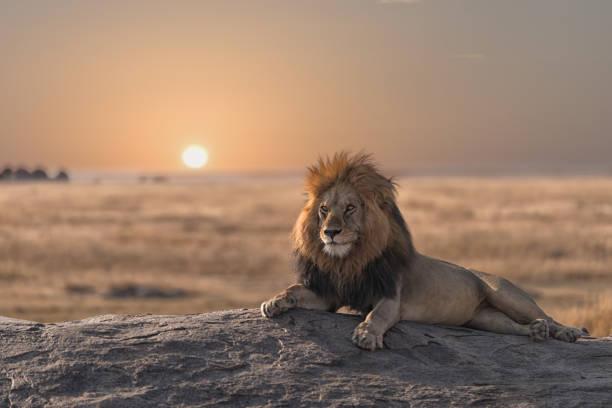
Lion : l'animal Big Five le plus reconnaissable
Lions are one of Tanzania’s great safari strengths. Serengeti is famous for lion prides across open plains, kopjes and river valleys. Ngorongoro Crater also has strong lion viewing because the crater floor concentrates wildlife in a compact landscape. Lions are often active in the cooler morning and late afternoon, while midday may find them sleeping in shade.
Un bon guide lit le comportement du lion plutôt que de simplement conduire d'un endroit connu à un autre. Les traces, les cris d’alarme, les vautours, les mouvements des proies et les lignes d’ombre comptent tous. Pour les voyageurs rêvant d'un safari Big Five en Tanzanie, le lion est généralement le principal prédateur le plus fiable, bien qu'aucune observation sauvage ne doive être considérée comme garantie.
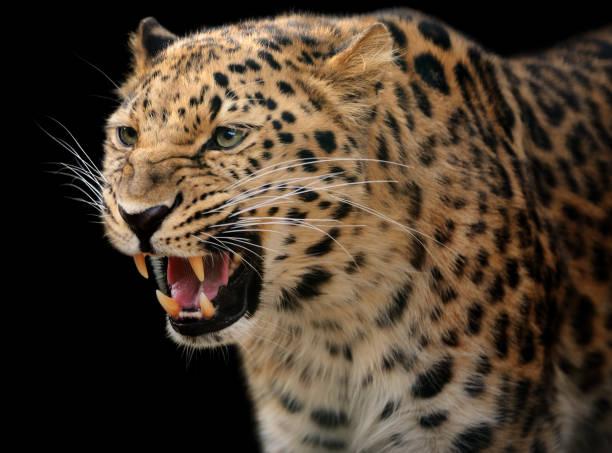
Léopard : le chat secret Big Five
Leopards are present in Tanzania’s safari country but are more elusive than lions. They often rest in trees, move through riverine woodland and avoid busy open spaces during the heat of the day. Serengeti is one of the best places to look for leopard, especially in areas with trees, rocky cover and permanent water. Tarangire and Lake Manyara can also produce sightings.
La patience compte avec le léopard. Un itinéraire précipité réduit les chances d’observations de qualité, car les guides ont besoin de temps pour rechercher correctement l’habitat. Les safaris privés sont utiles car la journée peut être structurée autour du suivi, de la lumière et des mouvements de la faune plutôt que d'un horaire de groupe fixe.
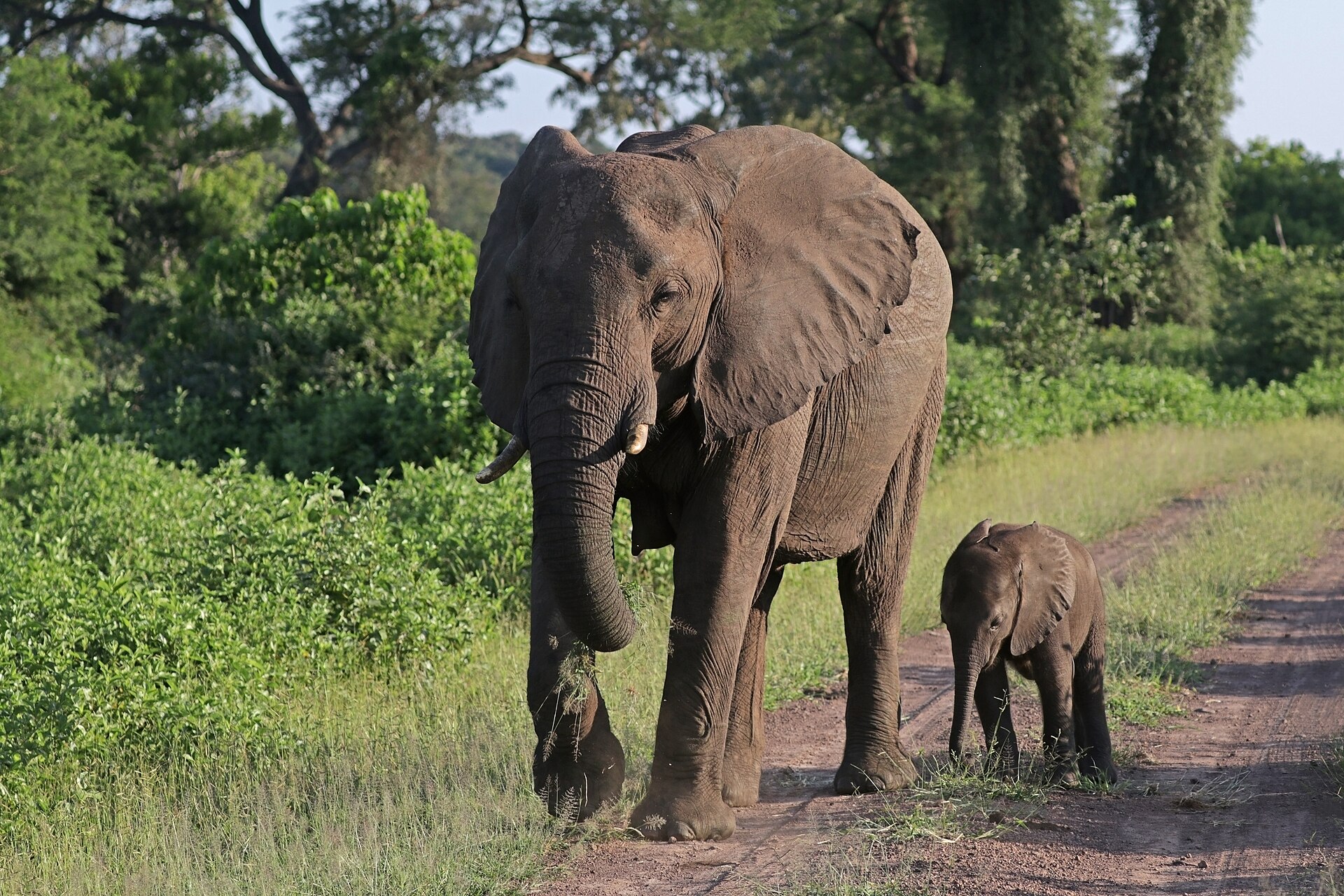
Éléphant : Tarangire et au-delà
Les éléphants sont le point culminant de nombreux safaris en Tanzanie. Le parc national de Tarangire est particulièrement célèbre pour ses troupeaux d'éléphants, ses baobabs et ses concentrations d'animaux sauvages en saison sèche. Le Serengeti, le Ngorongoro, le lac Manyara et certaines parties du sud de la Tanzanie proposent également l'observation des éléphants. Pour les familles, les photographes et les nouveaux safaris, les rencontres avec des éléphants deviennent souvent l'un des souvenirs les plus émouvants du voyage.
Une bonne observation des éléphants ne consiste pas seulement à se rapprocher. Il s’agit d’observer la structure du troupeau, les veaux, le comportement de la matriarche, l’alimentation, les bains de poussière et les mouvements silencieux. Un guide respectueux maintient le véhicule calme, laisse de l'espace aux éléphants et laisse le moment se dérouler naturellement.
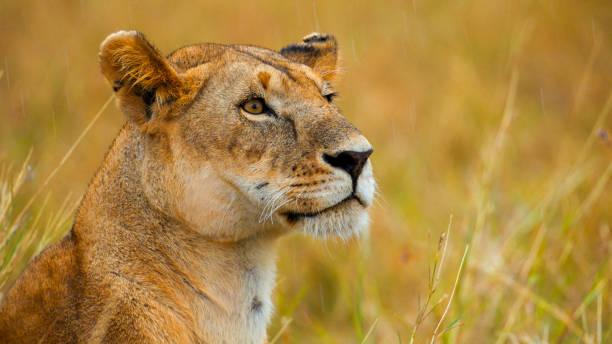
Buffle : souvent vu, toujours impressionnant
Les buffles d'Afrique sont répandus en Tanzanie et sont souvent observés dans le Serengeti, le Ngorongoro, le Tarangire et d'autres parcs. Les buffles étant plus communs que les rhinocéros ou les léopards, les voyageurs les sous-estiment parfois. Sur le terrain, ce sont des animaux puissants avec un fort instinct de troupeau et une présence sérieuse. Les vieux taureaux solitaires, parfois appelés garçons dagga, peuvent être particulièrement frappants.
Les buffles sont importants pour l’histoire plus large des prédateurs, car les lions les ciblent fréquemment là où les conditions le permettent. Voir des buffles dans le contexte d'un safari Big Five aide les voyageurs à comprendre la relation entre les troupeaux en pâturage, l'eau, les prédateurs et les paysages ouverts.
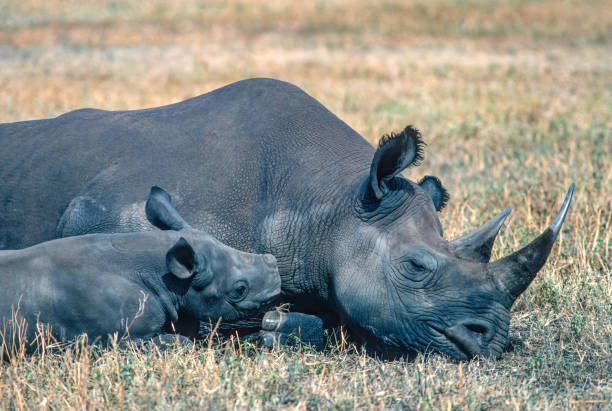
Rhino : l'animal Big Five le plus dur de Tanzanie
Le rhinocéros noir est généralement l’animal Big Five le plus difficile à observer en Tanzanie. Le cratère du Ngorongoro est l'un des endroits les plus connus où les voyageurs peuvent apercevoir des rhinocéros, mais les observations peuvent être lointaines et dépendre des conditions. Les rhinocéros sont fortement protégés et les guides doivent respecter les règles du parc, la distance et les priorités de conservation. Un safari responsable n’oblige jamais la faune à prendre une photo de plus près.
Si voir tous les animaux des Big Five est un objectif majeur, incluez le cratère du Ngorongoro et prévoyez suffisamment de jours de safari. Un itinéraire qui ne passe que peu de temps dans un parc peut toujours être beau, mais les chances de compléter la liste des Big Five sont plus faibles. Tanview peut planifier l'itinéraire selon une logique forte en matière de faune tout en gardant des attentes honnêtes.
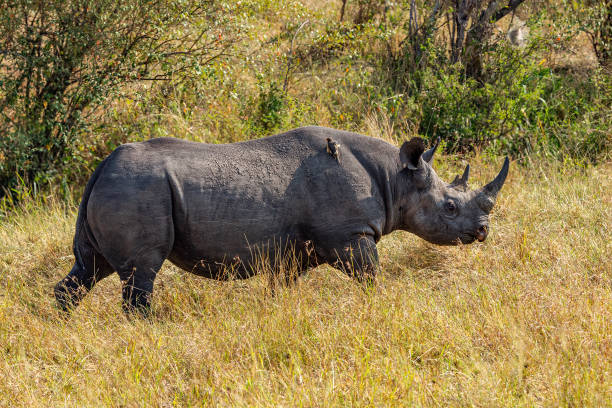
Les meilleurs parcs pour un safari Big Five en Tanzanie
La route Big Five la plus solide combine généralement le Serengeti et le cratère du Ngorongoro, avec Tarangire ajouté pour les éléphants et la variété des itinéraires. Le Serengeti offre des félins, des buffles, des éléphants et le drame plus large des plaines. Ngorongoro ajoute des paysages de cratères, des buffles, des lions, des éléphants et la meilleure chance régulière de rhinocéros noir. Tarangire renforce l'expérience des éléphants et ajoute un habitat différent.
Un safari de sept jours est souvent meilleur qu'un safari de trois jours pour les voyageurs qui se soucient des Big Five, car cela donne à l'itinéraire le temps de respirer. Des voyages plus longs peuvent ajouter le nord du Serengeti, Ndutu, le lac Manyara, Nyerere ou Zanzibar selon la saison et le style. Le but n’est pas de courir d’animal en animal, mais de créer suffisamment de temps pour des observations de qualité.

Big Five Tanzanie contre Big Five Afrique du Sud
Les voyageurs comparent parfois les Big Five de Tanzanie aux Big Five d’Afrique du Sud. L'Afrique du Sud possède d'excellentes réserves Big Five et peut être plus facile pour certains styles de voyage. La Tanzanie offre cependant un paysage est-africain plus classique : plaines du Serengeti, cratère du Ngorongoro, routes de migration des gnous, contexte culturel masaï et appariements de Zanzibar. Le bon choix dépend du type de sensation de safari que vous souhaitez.
If your dream is open savanna, migration country, crater scenery and a private Tanzania route, Tanzania is a strong Big Five choice. If your priority is a very short Big Five add-on to a city trip, another country may sometimes be easier. Tanview’s strength is helping travelers choose the Tanzania version honestly and well.
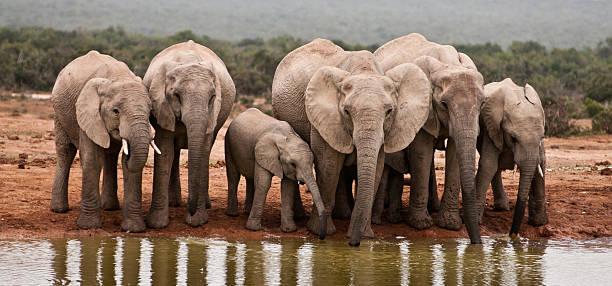
Comment planifier un Big Five Safari sans se précipiter
Commencez par le nombre de jours. Cinq jours peuvent fonctionner si le parcours est serré et ciblé. Sept jours, c'est plus fort. Neuf ou dix jours donnent plus de répit et un meilleur confort. Ensuite, choisissez la bonne saison. Les mois secs peuvent faciliter la vie de la faune autour des sources d'eau, tandis que les mois verts peuvent être magnifiques pour les paysages, la mise bas, les oiseaux et moins de foule dans certaines régions.
Décidez ensuite de votre niveau de confort. Les safaris économiques, les lodges de milieu de gamme, les camps de tentes de luxe et les safaris aériens changent tous l'expérience. Un safari Big Five ne doit pas nécessairement être la version la plus chère, mais il doit être organisé avec soin. Liens internes qui aident :où voir des rhinocéros en Tanzanie, animaux dans le cratère du Ngorongoro, Itinéraire de safari en Tanzanie de 7 jours, etdemandez à Tanview de tracer un itinéraire privé.
FAQ
Quels sont les cinq grands animaux ?
Les Big Five sont le lion, le léopard, l'éléphant, le buffle et le rhinocéros.
Quels sont les Big Five en Tanzanie ?
En Tanzanie, les Big Five sont le lion, le léopard, l'éléphant, le buffle et le rhinocéros noir, le Ngorongoro et le Serengeti étant souvent importants pour l'itinéraire.
Pouvez-vous voir tous les Big Five en Tanzanie ?
Oui, c'est possible, surtout avec un itinéraire incluant le Serengeti et le cratère du Ngorongoro, mais les observations dépendent du timing, du guidage et des mouvements de la faune.
Quel animal du Big Five est le plus difficile à voir en Tanzanie ?
Le rhinocéros noir est généralement l'animal Big Five le plus difficile à voir en Tanzanie, suivi du léopard en fonction de l'itinéraire et des conditions.
De combien de jours avez-vous besoin pour un safari Big Five ?
Sept jours constituent un bon point de départ pour un safari ciblé Big Five en Tanzanie, tandis que des voyages plus longs améliorent le confort et les chances d'observation.