Family Safari in Tanzania is a practical Tanview Safaris blog post for travelers planning a real Tanzania safari, not a package page and not a booking page.
The aim is to answer the questions travelers ask before choosing a route, season, park combination or safari style, using clear Tanzania safari planning advice without pushing a fixed itinerary.

Quick Answer
A good Tanzania family safari should be private, well-paced and built around parks with strong wildlife viewing: Tarangire, Ngorongoro and Serengeti are excellent foundations. Families should avoid overloading the itinerary and should choose guides and lodges that understand children’s energy.
For travelers researching family safari Tanzania, the important thing is to connect advice to the actual route, season, comfort level and time available. Good safari planning is practical: it protects wildlife time, keeps travel days realistic and uses each park for what it does best.

Why Tanzania Works for Families
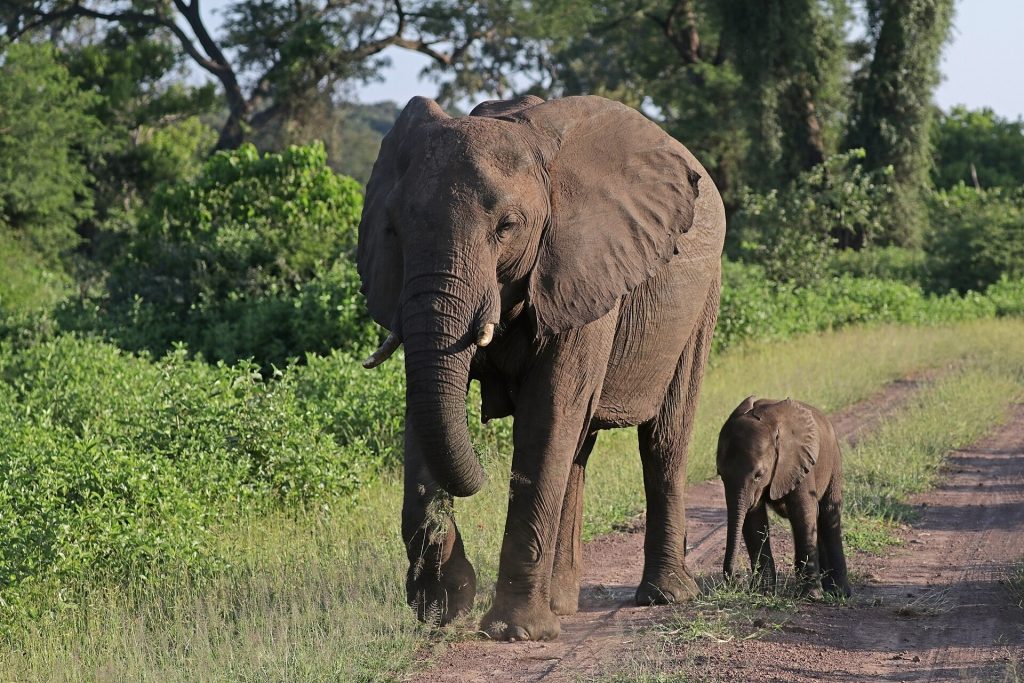
Tanzania gives children the feeling of entering a living classroom. Elephants, lions, giraffes, zebras, birds, tracks and landscapes make the natural world immediate. The best family safaris turn sightings into stories: why elephants protect calves, how guides read tracks, why vultures circle, and how ecosystems connect.
For travelers researching family safari Tanzania, the important thing is to connect advice to the actual route, season, comfort level and time available. Good safari planning is practical: it protects wildlife time, keeps travel days realistic and uses each park for what it does best.

Choosing Parks for Children
Tarangire is wonderful for elephants and baobabs. Ngorongoro can be rewarding because wildlife is concentrated. Serengeti creates the big safari feeling, especially for families with enough days. Lake Manyara can add forest and birds. The right mix depends on children’s ages and tolerance for driving.
For travelers researching family safari Tanzania, the important thing is to connect advice to the actual route, season, comfort level and time available. Good safari planning is practical: it protects wildlife time, keeps travel days realistic and uses each park for what it does best.

Private Vehicle Benefits
A private vehicle is often worth it for families. You can stop for snacks, shorten a game drive, wait at a sighting or return to the lodge without negotiating with strangers. Children also ask more questions when they feel relaxed.
For travelers researching family safari Tanzania, the important thing is to connect advice to the actual route, season, comfort level and time available. Good safari planning is practical: it protects wildlife time, keeps travel days realistic and uses each park for what it does best.

Safety and Comfort
Safari is safe when rules are respected. Children should listen to guides, stay inside vehicles unless told otherwise, avoid feeding animals and understand that wildlife is not a zoo. Lodges may have age rules for walking activities or certain room types, so planning matters.
For travelers researching family safari Tanzania, the important thing is to connect advice to the actual route, season, comfort level and time available. Good safari planning is practical: it protects wildlife time, keeps travel days realistic and uses each park for what it does best.

School Holiday Planning
Family safari dates often follow school holidays, which can be busy. Book early for better guide and lodge choice. Dry-season holidays are popular, but green-season and shoulder dates can also work well for families who want value and quieter parks.
For travelers researching family safari Tanzania, the important thing is to connect advice to the actual route, season, comfort level and time available. Good safari planning is practical: it protects wildlife time, keeps travel days realistic and uses each park for what it does best.

Keeping the Trip Enjoyable
Mix wildlife time with rest. Not every day needs to start before sunrise. A strong family safari creates rhythm: exciting mornings, relaxed lunches, shorter afternoon drives when needed, and enough sleep to keep everyone happy.
For travelers researching family safari Tanzania, the important thing is to connect advice to the actual route, season, comfort level and time available. Good safari planning is practical: it protects wildlife time, keeps travel days realistic and uses each park for what it does best.
Related Tanview Safari Posts and Pages
- safari-smart-tours
- tarangire-elephant-safari-guide
- ngorongoro-crater-travel-guide
- best-time-to-visit-tanzania-for-safari
Practical Planning Note
For families, the best safari memories often come from giving children time to notice small things: tracks in dust, bird calls, elephant behavior and the way guides read the landscape. A family safari in Tanzania should leave space for questions, snacks, rest and flexible game drives, because comfort keeps curiosity alive.
This extra flexibility is what keeps a family safari enjoyable rather than tiring.
FAQ
Is Tanzania safari good for families?
Yes, Tanzania is excellent for families when the route is paced well and the guide understands children.
What age is best for a family safari?
Many children enjoy safari from around six or seven upward, but the right age depends on attention span, comfort with travel and lodge rules.
Which parks are best for kids?
Tarangire, Ngorongoro and Serengeti are strong choices because wildlife viewing can be rewarding and varied.
How can we avoid safari fatigue?
Use fewer one-night stops, choose family-friendly lodges, add downtime and keep game drives flexible.