The best time to visit Tanzania for safari depends on what you want to feel when you are there: dry-season wildlife drama, green-season beauty, calving season energy, quieter parks, or a safari and Zanzibar beach holiday with warm coastal weather.
This post is written for travelers researching best time to visit Tanzania, Tanzania safari locations, private Tanzania safaris, all inclusive safari planning, luxury and mid-range choices, and safari combinations that can include Serengeti, Ngorongoro, Tarangire, Lake Manyara, Kilimanjaro or Zanzibar. It is informational, not a package page, so you can use it to make better decisions before speaking with a safari planner.

Quick Answer
For most first-time travelers, June to October is the easiest safari window because wildlife concentrates near water, grass is shorter, and the Serengeti, Ngorongoro, Tarangire and Lake Manyara are reliable. January to March is outstanding for the southern Serengeti calving season, while November and early December can be excellent for lower crowds, fresh landscapes and strong value. April and May are quieter and greener, but some routes can be slower after heavy rain.
For travelers comparing best time to visit Tanzania options, the practical choice is to match the season, route and comfort level to the experience you want rather than copying a generic itinerary. Tanview Safaris plans around real travel rhythm: where wildlife is likely to be, how long the drives feel, when light is best, and how to keep the journey comfortable without losing the sense of wilderness.

Dry Season Safari: June to October
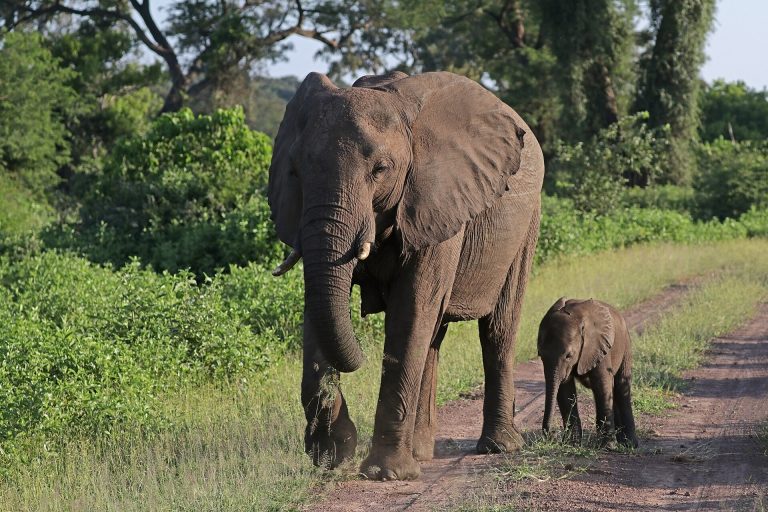
The dry season is the classic Tanzania safari period. Skies are often clear, wildlife becomes easier to track, and animals gather around permanent water sources. Tarangire is especially powerful in the dry months because elephants, zebra, buffalo, giraffe and antelope move toward the Tarangire River. Serengeti game viewing is strong, and Ngorongoro Crater remains one of the most reliable places for dense wildlife sightings. Travelers who want the simplest safari planning, easy photography and high confidence should start here.
For travelers comparing best time to visit Tanzania options, the practical choice is to match the season, route and comfort level to the experience you want rather than copying a generic itinerary. Tanview Safaris plans around real travel rhythm: where wildlife is likely to be, how long the drives feel, when light is best, and how to keep the journey comfortable without losing the sense of wilderness.

Green Season Safari: November to May
The green season changes the mood of Tanzania. Dust settles, grass returns, migratory birds arrive and the landscape looks alive. For travelers who care about photography, this season can be beautiful because storm light, dramatic clouds and fresh color give the wilderness a cinematic quality. The green season is also useful for travelers looking for a more affordable Tanzania safari, especially outside holiday peaks. Some roads may be slower, but the reward is a softer, quieter safari atmosphere.
For travelers comparing best time to visit Tanzania options, the practical choice is to match the season, route and comfort level to the experience you want rather than copying a generic itinerary. Tanview Safaris plans around real travel rhythm: where wildlife is likely to be, how long the drives feel, when light is best, and how to keep the journey comfortable without losing the sense of wilderness.

Great Migration Timing
The Great Migration is a moving wildlife cycle rather than a single event. From roughly December to March, herds are often associated with the southern Serengeti and Ndutu area, where calving can create intense predator activity. From June to July, movement toward the western and northern Serengeti becomes a focus. From July to October, many travelers look toward the northern Serengeti for river-crossing possibilities. Timing changes with rainfall, so a good itinerary should match the month, not just the word migration.
For travelers comparing best time to visit Tanzania options, the practical choice is to match the season, route and comfort level to the experience you want rather than copying a generic itinerary. Tanview Safaris plans around real travel rhythm: where wildlife is likely to be, how long the drives feel, when light is best, and how to keep the journey comfortable without losing the sense of wilderness.

Best Months by Travel Style
Couples often enjoy January, February, June, September and October because the balance of wildlife, light and comfort is strong. Families usually prefer school holiday windows, but planning early matters because the best guides and lodges fill quickly. Photographers may prefer February, March, November and early December for texture, skies and young animals. Budget-conscious travelers should look at shoulder months, when the safari still feels rich but prices and crowd pressure can be more forgiving.
For travelers comparing best time to visit Tanzania options, the practical choice is to match the season, route and comfort level to the experience you want rather than copying a generic itinerary. Tanview Safaris plans around real travel rhythm: where wildlife is likely to be, how long the drives feel, when light is best, and how to keep the journey comfortable without losing the sense of wilderness.

Safari and Zanzibar Weather
If your trip includes Zanzibar, think about the coast as well as the parks. June to October is often a strong bush and beach combination because the safari circuit is dry and the coast is pleasant. January and February can also work well for travelers who want warm beach time after a calving-season safari. April and May can be wetter, so beach expectations should be planned carefully.
For travelers comparing best time to visit Tanzania options, the practical choice is to match the season, route and comfort level to the experience you want rather than copying a generic itinerary. Tanview Safaris plans around real travel rhythm: where wildlife is likely to be, how long the drives feel, when light is best, and how to keep the journey comfortable without losing the sense of wilderness.

How to Choose Your Month
Do not choose a safari month only from a chart. Start with your priorities: wildlife density, migration, fewer crowds, honeymoon atmosphere, family timing, budget, or photography. Then match the parks. Tarangire shines in dry season, Ngorongoro is reliable year-round, Serengeti changes by region, and Lake Manyara is best treated as part of a wider northern circuit rather than the only focus.
For travelers comparing best time to visit Tanzania options, the practical choice is to match the season, route and comfort level to the experience you want rather than copying a generic itinerary. Tanview Safaris plans around real travel rhythm: where wildlife is likely to be, how long the drives feel, when light is best, and how to keep the journey comfortable without losing the sense of wilderness.
Internal Links for Planning
Use these Tanview pages to continue planning with stronger context. They help connect this post to related destination and safari-planning resources across the site.
- safari-smart-tours
- serengeti-national-park
- ngorongoro-crater
- tarangire-national-park
- tanzania-safari-and-zanzibar-packages
FAQ
What is the best month for a Tanzania safari?
September is one of the safest all-round months because wildlife viewing is strong, weather is usually dry, and northern Tanzania routes are reliable. February is excellent for calving season in the southern Serengeti.
Is Tanzania safari good in the rainy season?
Yes, especially for travelers who like green scenery, fewer vehicles and birdlife. The experience is different from dry season, and route planning matters more.
When is the Great Migration in Tanzania?
The migration is present in Tanzania for much of the year, but the best region changes by month. Southern Serengeti is important around calving season, while northern Serengeti is often a focus from July to October.
What is the cheapest time for Tanzania safari?
Shoulder and green-season months usually offer better value than peak dry season, especially outside Christmas, New Year and major holiday periods.