
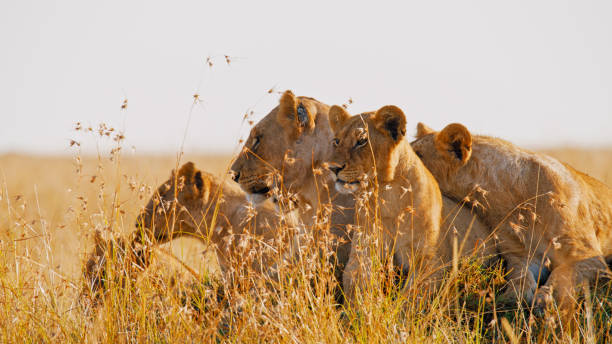
Réponse directe :Leanimaux de Tanzanie Serengeticomprennent des lions, des léopards, des guépards, des éléphants, des buffles, des girafes, des zèbres, des gnous, des hyènes, des hippopotames, des crocodiles, des gazelles, des élans, des chacals et de nombreuses espèces d'oiseaux. Ce que vous voyez dépend de la saison, de la région, de la qualité du guide et du nombre de jours que vous passez dans le parc.
Le parc national du Serengeti est célèbre parce que la faune ne se limite pas à une petite zone. Les plaines, rivières, kopjes, forêts et routes de migration du parc créent différentes observations tout au long de l'année.
Les animaux du Serengeti en un coup d'œil
| Groupe d'animaux | Exemples | Où les attentes doivent être réalistes |
|---|---|---|
| Gros félins | Lions, guépards, léopards | Les lions sont plus fréquemment observés que les léopards. |
| Animaux du troupeau | Gnou, zèbre, gazelle, buffle | Les chiffres changent avec la saison et les précipitations. |
| Grands mammifères | Éléphants, girafes, hippopotames | L'emplacement est important ; toutes les zones ne présentent pas les mêmes espèces. |
| Prédateurs et charognards | Hyènes, chacals, crocodiles | Souvent lié au mouvement des proies et aux sources d’eau. |
Les animaux pour lesquels le Serengeti est le plus célèbre
- Lions :Le Serengeti est l'un des habitats de lions les plus connus d'Afrique.
- Guépards :Les plaines ouvertes peuvent être excellentes pour l'observation de guépards.
- Léopards :Possible, notamment autour des forêts et des arbres riverains, mais jamais garanti.
- Gnou et zèbre :Au cœur de l’histoire de la migration et de l’écosystème tout au long de l’année.
- Éléphants et girafes :Souvent observé, surtout dans les habitats boisés et mixtes.
Comment la saison change les observations de la faune
La faune du Serengeti est fortement façonnée par les précipitations et l’herbe. La migration traverse différentes régions à différents moments, tandis que les prédateurs résidents et de nombreux autres animaux restent dans l'écosystème plus large tout au long de l'année.
Pouvez-vous voir les Big Five au Serengeti ?
Vous pouvez voir des lions, des léopards, des éléphants et des buffles au Serengeti, mais les rhinocéros y sont rarement vus. Les voyageurs qui souhaitent une plus grande chance au Big Five combinent souvent le Serengeti avec le cratère du Ngorongoro.
Réponse à l'extrait en vedette
Les animaux du Serengeti en Tanzanie comprennent des lions, des léopards, des guépards, des éléphants, des buffles, des girafes, des zèbres, des gnous, des hyènes, des hippopotames, des crocodiles, des gazelles et de nombreux oiseaux. Les observations exactes dépendent de la saison, de la région, du mouvement migratoire et du temps passé dans le parc.
Questions fréquemment posées
Quels animaux trouve-t-on dans le Serengeti ?
Les animaux du Serengeti comprennent les lions, les guépards, les léopards, les éléphants, les buffles, les girafes, les zèbres, les gnous, les hyènes, les hippopotames, les crocodiles, les gazelles et de nombreux oiseaux.
Puis-je voir des guépards dans le Serengeti ?
Oui. Le Serengeti est l'un des meilleurs endroits de Tanzanie pour observer les guépards, en particulier dans les plaines ouvertes où ils peuvent chasser.
Puis-je voir les Big Five au Serengeti ?
Vous pouvez voir plusieurs espèces du Big Five dans le Serengeti, mais les observations de rhinocéros sont rares. La combinaison du Serengeti avec le Ngorongoro améliore les chances globales du Big Five.
Quelle est la meilleure période pour voir des animaux au Serengeti ?
La faune peut être observée toute l'année, mais la meilleure région change selon la saison. Les voyages axés sur la migration doivent être planifiés en fonction des mouvements attendus des troupeaux.
Guides connexes sur la Tanzanie
- Serengeti contre Tarangire
- Itinéraire de safari en Tanzanie de 6 jours
- Safari en Tanzanie en décembre
Planifiez votre voyage avec Tanview Safaris
Si la faune du Serengeti est votre priorité,envoyer une demande à Tanview Safariset nous adapterons vos dates à la meilleure région et au meilleur rythme.

Notes de planification plus approfondies pour les animaux du Serengeti en Tanzanie : la faune que vous pouvez voir dans le parc national du Serengeti
Pour le contenu du Serengeti, l’idée clé de la planification est le mouvement. Le Serengeti n’est pas une seule zone de safari ; c'est un vaste écosystème où la zone appropriée dépend du mois, de la position de migration, des traversées de rivières, de la saison de mise bas, de l'activité des prédateurs et de l'accès. Un article utile sur le Serengeti devrait aider les lecteurs à choisir entre les itinéraires du centre, du nord, de l'ouest et du sud au lieu de traiter l'ensemble du parc comme interchangeable.
Animaux du Serengeti en Tanzanie : La faune que vous pouvez voir dans le parc national du Serengeti devrait répondre aux questions qu'un voyageur est susceptible de se poser avant de parler à un organisateur de safari : quand partir, combien de nuits autoriser, où l'expérience s'inscrit dans un itinéraire, ce qui peut changer selon la saison et quels compromis affectent le confort. C'est pourquoi le message devrait relier l'idée principale à la véritable logistique tanzanienne au lieu de rester au niveau des gros titres.
Pour un safari dans le nord de la Tanzanie, les points d'ancrage de planification les plus courants sont Serengeti, Ngorongoro, Tarangire, le lac Manyara et Arusha. Pour les voyages côtiers ou post-safari, Zanzibar devient important car la récupération des plages, les marées, l'horaire des vols et l'emplacement de l'hôtel peuvent changer le rythme du voyage. Pour les voyages axés sur la montagne ou la culture, le timing, l'effort physique et l'étiquette locale deviennent tout aussi importants que le paysage.
L'écosystème touristique officiel de la Tanzanie est utile car il sépare les expériences en matière de faune, de parcs, de plages, de culture, d'aventure et de patrimoine. Un voyageur qui lit cet article doit comprendre à quelle catégorie appartient le sujet et comment il fonctionne dans un itinéraire réel. Un safari privé est souvent plus efficace lorsque l'itinéraire est construit autour de moins de mouvements précipités, d'un meilleur timing de safari et d'attentes claires pour chaque jour.
La saison est également importante. Les mois secs facilitent généralement la lecture de la faune autour des sources d'eau et des routes ouvertes, tandis que les mois verts peuvent apporter des paysages plus doux, de jeunes animaux, un intérêt pour les oiseaux et moins de véhicules dans certaines zones. Les postes axés sur la migration nécessitent une réflexion mois par mois ; Les postes de Zanzibar ont besoin d’une réflexion sur la côte et la météo ; Les postes du Kilimandjaro nécessitent une réflexion sur l’altitude et l’acclimatation. La bonne réponse dépend de l’objectif de voyage et non d’un seul meilleur mois générique.
Le niveau d'hébergement change l'expérience autant que la liste des parcs. Les safaris économiques, de milieu de gamme et de luxe peuvent visiter des zones similaires, mais ils diffèrent par l'emplacement, le rythme de guidage, le style de repas, l'intimité, la pression de transfert et le temps de récupération après de longs trajets. Un itinéraire solide protège les meilleures heures de la journée pour la faune, évite les retours en arrière inutiles et donne aux clients suffisamment de temps pour profiter des endroits pour lesquels ils ont payé.
Pour les familles, les jeunes mariés et les nouveaux visiteurs, les conseils les plus précieux concernent souvent la marche à suivre. Un parc supplémentaire n'est pas toujours préférable s'il crée un parcours précipité. Un plan plus lent avec un guidage plus fort, un meilleur placement en lodge et suffisamment de repos peut sembler plus avantageux qu'une liste de contrôle plus longue. Le même principe s'applique à Zanzibar : choisir la bonne côte et le bon nombre de nuits compte bien plus que simplement ajouter l'île à la fin.
Les voyages responsables devraient également faire partie de la décision. Les zones protégées en Tanzanie sont gérées par le biais de parcs officiels et de systèmes de conservation, et les visiteurs doivent respecter les règles concernant la distance avec la faune, la conduite hors route, les drones, les déchets, la photographie culturelle et l'interaction communautaire. Une bonne planification d'un safari aide les voyageurs à profiter de la destination tout en soutenant la valeur à long terme des parcs, des zones de conservation et des communautés locales qui rendent le voyage possible.
Utilisez cet article comme point de départ pour la planification, puis adaptez les conseils à votre mois de voyage, à la taille de votre groupe, à votre niveau de budget et à votre rythme préféré. Tanview Safaris peut transformer le sujet en un itinéraire pratique en vérifiant l'accès actuel, la disponibilité des lodges, la logique de vol et la manière dont l'expérience se connecte au reste de votre safari en Tanzanie.
Sources officielles utilisées pour le contexte de planification
Ces liens pointent vers des sources officielles du tourisme, des parcs nationaux, de la conservation ou du patrimoine tanzaniens, de sorte que les conseils sont liés à des informations réelles sur la destination.
Liens Tanview utiles
Continuez à partir de ce guide vers les pages de planification Tanview associées afin que le sujet se connecte naturellement à une véritable enquête de safari.
Réponse Tanview Safaris axée sur la recherche
Animaux du parc national du Serengeti : la faune que vous pouvez voir
animaux du parc national du Serengeti :Les animaux du parc national du Serengeti comprennent des lions, des léopards, des guépards, des éléphants, des girafes, des buffles, des hyènes, des hippopotames, des crocodiles, des gnous, des zèbres, des gazelles et des centaines d'espèces d'oiseaux. Le Serengeti est particulièrement célèbre pour les grands félins et la Grande Migration, mais l'expérience de la faune change selon la saison et la région.
Gros félins
Le Serengeti est l'une des meilleures zones de safari pour les lions, avec de fortes chances d'observer des guépards et des léopards dans les habitats appropriés.
Animaux migrateurs
Les gnous, les zèbres et les gazelles se déplacent en grand nombre dans l’écosystème du Serengeti selon les saisons.
Angle de planification
Les chercheurs veulent une liste complète des animaux sauvages, mais ils doivent également savoir où et quand ces animaux sont le plus susceptibles d'être vus.


Planifiez un safari migratoire au Serengeti
Choisissez le meilleur moment pour le Serengeti
Renseignez-vous sur les saisons de la faune
Quels animaux trouve-t-on dans le parc national du Serengeti ?
Les animaux du Serengeti comprennent des lions, des léopards, des guépards, des éléphants, des buffles, des girafes, des hyènes, des hippopotames, des gnous, des zèbres, des gazelles, des crocodiles et de nombreux oiseaux.
Puis-je voir les Big Five au Serengeti ?
Le Serengeti abrite des lions, des léopards, des éléphants et des buffles, tandis que les observations de rhinocéros sont plus limitées et souvent mieux associées au Ngorongoro.
Quelle est la meilleure période pour voir des animaux ?
La faune peut être observée toute l'année, mais les mois secs et les saisons de migration affectent l'endroit où les animaux sont concentrés.
Le Serengeti est-il bon pour les grands félins ?
Oui. Le Serengeti est l'une des destinations de safari les plus prisées d'Afrique pour les lions, les guépards et, avec patience, les léopards.
Réponse à la planification de la faune du Serengeti
Animaux du parc national du Serengeti : ce que vous pouvez voir de manière réaliste
Les animaux du parc national du Serengeti comprennent des félins, de grands herbivores, des charognards, des reptiles et des centaines d'espèces d'oiseaux.Les observations les plus célèbres sont les lions, les guépards, les léopards, les éléphants, les buffles, les girafes, les zèbres, les gnous, les gazelles, les hyènes, les hippopotames et les crocodiles. Un bon safari dans le Serengeti ne consiste pas seulement à cocher des noms ; il s'agit d'être dans la bonne zone pour la saison et de donner au guide le temps de suivre les traces, les mouvements et les nouveaux signes de la faune.
Gros félins
Serengeti is one of Tanzania’s strongest areas for lions, and it can also be excellent for cheetahs and leopards when the route allows patient game drives.
Troupeaux migrateurs
Les gnous et les zèbres façonnent l'histoire du Serengeti, mais leur meilleur emplacement change tout au long de l'année en fonction du pâturage, de la pluie et des mouvements migratoires.
Oiseaux et vie plus petite
Les oiseaux secrétaires, vautours, aigles, outardes, rolliers, étourneaux et bien d'autres oiseaux ajoutent des détails au safari, en particulier pour les voyageurs qui ralentissent entre les grandes observations.
Où différents animaux du Serengeti sont souvent vus
Le centre du Serengeti constitue souvent une base solide pour les grands félins, car les proies résidentes et l'habitat varié peuvent accueillir des lions, des léopards et des hyènes tout au long de l'année. Les plaines ouvertes sont importantes pour les guépards car ils ont besoin de visibilité et d’espace pour chasser. Les zones fluviales, les kopjes et les lisières des forêts peuvent être utiles aux léopards, tandis que les hippopotames et les crocodiles sont reliés aux systèmes d'eau. Aucune de ces observations n'est garantie, mais un guide connaissant les indices sur l'habitat peut améliorer les chances de rencontres significatives.
Le sud du Serengeti et la région de Ndutu deviennent particulièrement importants au moment de la saison de mise bas, lorsqu'un grand nombre de gnous et de zèbres peuvent attirer les prédateurs. Le nord du Serengeti est important pendant les mois de traversée des rivières, même si les traversées sont imprévisibles et ne devraient jamais être promises. Les zones occidentales peuvent également être utiles lors des déplacements saisonniers. C'est pourquoi le meilleur plan de faune du Serengeti commence par le mois, l'itinéraire et le nombre de nuits avant de choisir un nom de camp.
Comment planifier un safari autour de la faune du Serengeti
Les voyageurs demandent souvent quels animaux ils verront, mais la meilleure question de planification est de savoir combien de temps l'itinéraire laisse au guide pour travailler. Un séjour précipité d'une nuit au Serengeti peut manquer l'ambiance du parc, même si quelques animaux majeurs apparaissent. Deux ou trois nuits créent plus d'espace pour démarrer tôt, observer tranquillement, changer de lumière et suivre de nouvelles informations. Pour les visiteurs novices, le Serengeti se combine bien avec le cratère du Ngorongoro et le Tarangire car chaque lieu offre un profil de faune différent.
Un safari réaliste respecte également l'incertitude. La faune est sauvage, le temps change ses mouvements et l'observation de prédateurs dépend de la patience. Les guides les plus compétents expliquent ce qu'ils lisent : traces, cris d'alarme, vautours, direction de pâturage, ombre, vent et rapports récents. Cette interprétation est ce qui transforme une liste d’animaux du Serengeti en une expérience de safari plus profonde.
Quels animaux vivent dans le parc national du Serengeti ?
Le parc national du Serengeti abrite des lions, des léopards, des guépards, des éléphants, des buffles, des girafes, des zèbres, des gnous, des gazelles, des hyènes, des chacals, des hippopotames, des crocodiles et des centaines d'espèces d'oiseaux.
Pouvez-vous voir les Big Five au Serengeti ?
Le Serengeti est excellent pour les lions, les léopards, les buffles et les éléphants, mais les observations de rhinocéros noirs sont plus fortement associées au cratère du Ngorongoro sur de nombreuses routes du nord de la Tanzanie.
Quels animaux du Serengeti sont les plus faciles à voir ?
Les zèbres, les gnous, les gazelles, les girafes, les buffles, les éléphants, les lions, les hyènes et de nombreux oiseaux font partie des animaux les plus fréquemment observés dans le Serengeti, bien que la faune soit toujours sauvage et jamais garantie.