
Tanzania Food Guide
Detailed Tanzania safari planning, practical route advice, and destination-aware travel guidance shaped for real visitors, not thin keyword pages.
Tanzania Food Guide planning flow
- Food on safari
- Zanzibar flavors
- Safety and dietary needs
- Related food and safari guides
Tanzania food is part of the trip, not a side note. Many travelers arrive thinking only about wildlife, but meals shape the rhythm of safari days, Zanzibar evenings, cultural visits, and long road transfers.
Mainland Tanzania, coastal Zanzibar, safari lodges, roadside lunch stops, and local family tables all feel different. A good plan helps you enjoy the food without worrying about safety, timing, or dietary needs.
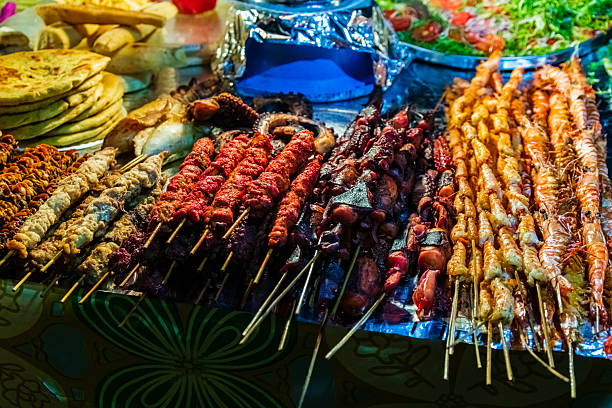
Tanzania Food: What Travelers Should Expect
Tanzania food is built around filling staples, fresh produce, grilled meat, rice, beans, fish, and coastal spices. On safari, meals are usually adapted for travel comfort. Breakfast may be early, lunch may be packed, and dinner is often the calmest meal of the day.
Ugali is one of the most common staples. It is made from maize flour and eaten with vegetables, meat, fish, beans, or stews. Rice is also common, especially near the coast, where pilau and biryani show Zanzibar’s Indian Ocean history.
For travelers, the smartest mindset is simple: try local dishes where hygiene is clear, drink safe water, and tell your guide about allergies before the route begins.
Mainland Staples and Safari Meals
On the mainland, you may see ugali, wali, beans, mchicha, nyama choma, mishkaki, chapati, and cooked bananas depending on the region. Safari lodges often serve international meals, but many can include Tanzanian flavors if guests ask.
Picnic lunches are practical rather than fancy. They are designed to survive a game drive and keep the day moving. A private safari gives more freedom to return to camp for lunch or choose lodges with stronger meal programs.

Zanzibar Food and Swahili Flavor
Zanzibar is the easiest place to feel Tanzania food through spice. Pilau, biryani, seafood, coconut sauces, tropical fruit, chapati, and street snacks all connect the island to Arab, Indian, Persian, and African trade routes.
If you add Zanzibar after safari, leave time for a slower food day. A spice farm, Stone Town dinner, or beach seafood meal can turn the beach chapter into more than rest.
What to Try
- Ugali with vegetables, fish, beans, or meat
- Nyama choma with kachumbari
- Pilau or biryani on the coast
- Mishkaki from a trusted grill
- Fresh fruit such as mango, pineapple, banana, and passion fruit
- Samaki wa nazi where coastal seafood is fresh
- Chapati with tea or stew

Food Safety Without Fear
Food safety does not mean avoiding local food. It means choosing well. Eat hot food hot, drink sealed or filtered water, use hand sanitizer, and be careful with raw salads outside trusted places.
Travelers with sensitive stomachs should keep the first safari days simple. Save adventurous street-food exploration for a flexible day, not the night before a long Serengeti transfer.
Dietary Needs on Safari
Vegetarian, vegan, gluten-free, halal, and allergy-sensitive meals are possible, but they need advance notice. Remote camps cannot fix every issue at the last minute because supply runs are planned ahead.
Tell Tanview Safaris your needs when you enquire. The route, lodge selection, and lunch style can all be adjusted before you arrive.

How Food Fits a Safari Day
Early mornings often begin with coffee, tea, fruit, eggs, bread, porridge, or a packed breakfast. Lunch may happen at a picnic site or lodge. Dinner gives the body time to relax after dust, sun, and long drives.
Hydration is as important as food. Tanzania safari days can be dry, especially in Tarangire, Serengeti, and Ngorongoro highlands.

Internal Planning Matches
Pair this guide with the Tanzania Water and Food Safety Guide, Safari Smart Tours, and Tanview contact page.


Useful Planning Links
- Official Tanzania Tourism Board
- Tanzania Tourism: national parks
- Tanzania Tourism: Serengeti
- Ngorongoro Conservation Area Authority
- Zanzibar Commission for Tourism
- Tanview Safaris Smart Tours
- Ask Tanview to plan a custom route
FAQ
Is Tanzania food safe for visitors?
Yes, when food is prepared hygienically and travelers use safe drinking water. Lodges and trusted restaurants are usually the easiest starting points.
What is the most common Tanzania food?
Ugali, rice, beans, vegetables, grilled meat, fish, chapati, pilau, and seasonal fruit are common across many routes.
Can safari lodges handle dietary needs?
Most can, but only if they know in advance. Remote camps need time to prepare supplies.
Is Zanzibar food different from mainland food?
Yes. Zanzibar food has more coastal, spice, seafood, rice, coconut, and Swahili influence.
Visual Route Notes
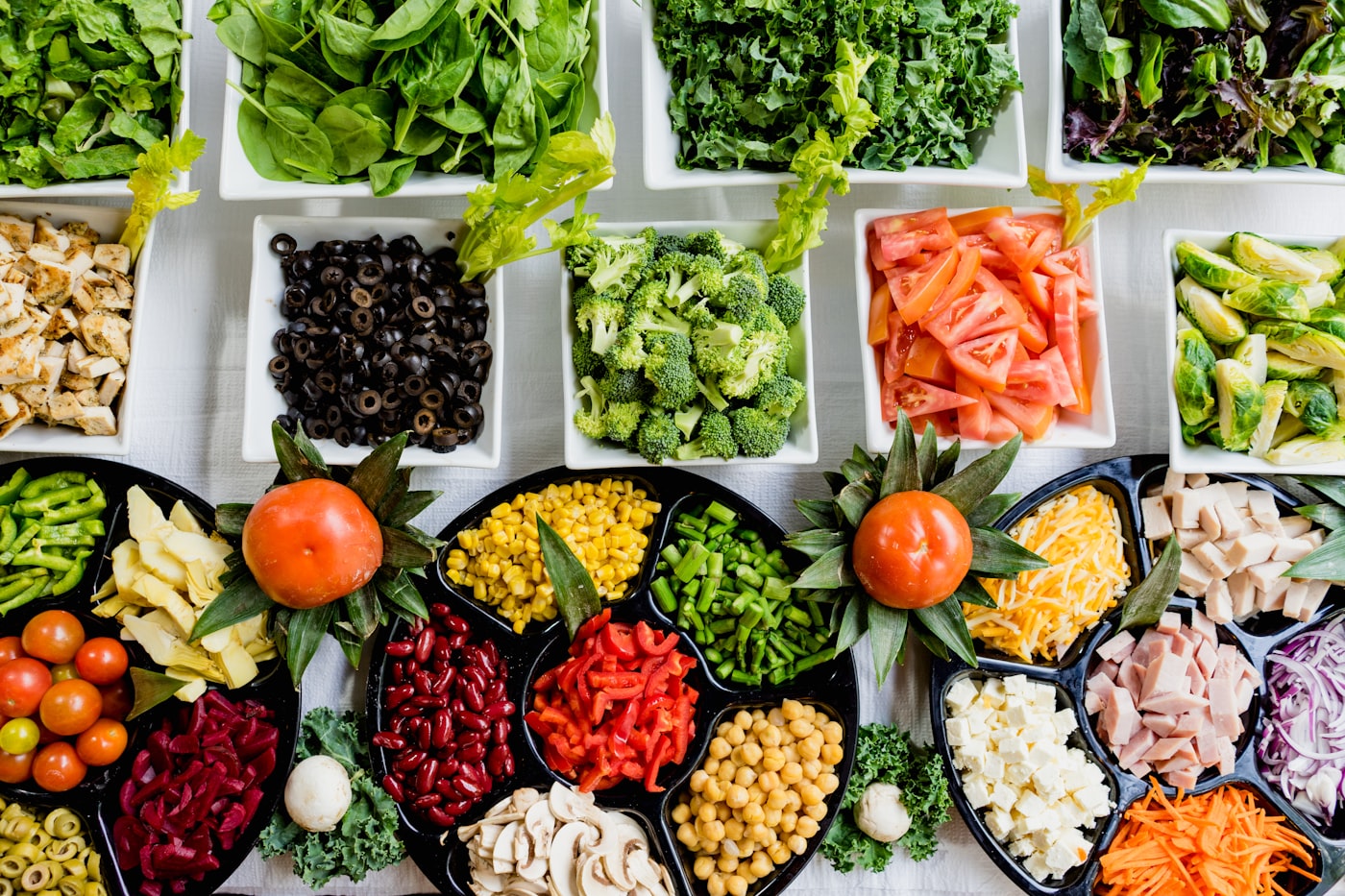
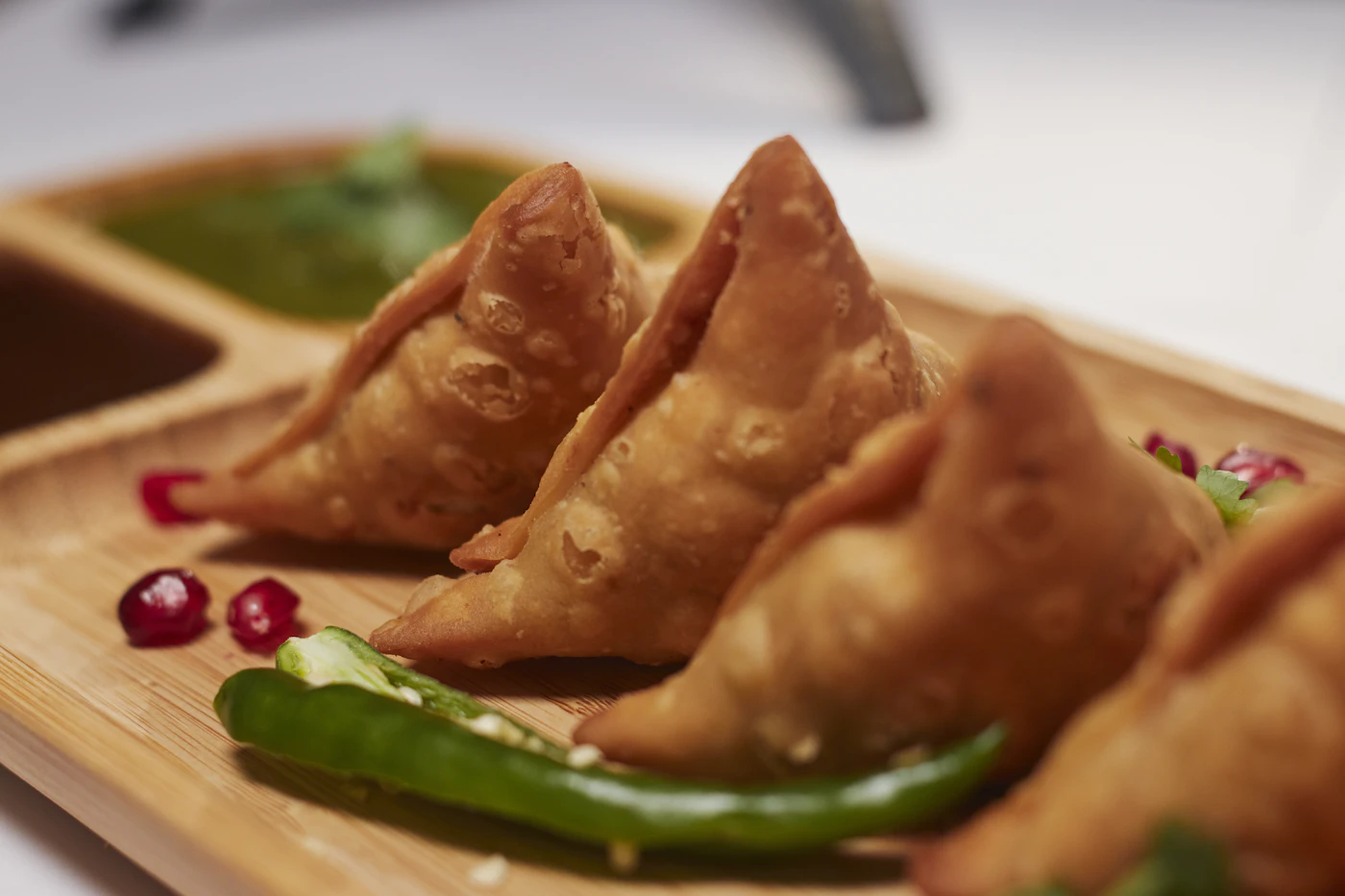
Use these scenes as planning cues. A strong Tanzania itinerary should move through real landscapes, not only famous names on a list.




Related Tanview Safari Guides
Continue planning with focused Tanview guides that answer the next practical questions travelers usually ask.
How Food Changes by Route
A northern safari route usually has the most predictable food rhythm because Arusha, Karatu, Tarangire, Ngorongoro, and Serengeti are used to international guests. That does not mean the food must feel generic. It means the safest approach is to let the lodge handle breakfast and dinner, then use guided cultural stops or trusted restaurants for more local meals.
In Arusha, travelers can ease into Tanzania food before the first long drive. This is a good place to try grilled meat, rice dishes, cooked greens, fruit, coffee, and mild local flavors. Starting gently helps the body adjust before dust, heat, early mornings, and long road sections become part of the safari.
In Karatu and the Ngorongoro highlands, meals often feel cooler, greener, and more farm-linked. Many lodges use vegetables, soups, breads, eggs, and stews because the highland climate supports farming. This is a smart middle point for travelers who want local flavor without taking street-food risks.
In Serengeti, food planning becomes more logistical. Camps are remote, supply runs take effort, and packed meals must work with wildlife timing. If you have allergies, diabetes, IBS, pregnancy needs, religious food requirements, or a child who eats selectively, this must be handled before the booking is finalized.
Zanzibar is the best place to explore food slowly. Stone Town, spice farms, beach restaurants, and Swahili kitchens make the coast feel different from the mainland. It is also the place where travelers understand why Tanzania food is not one single cuisine. It is mainland, coastal, island, pastoral, farming, and safari food woven together.
Conversion Advice for Food-Aware Travelers
If food matters to your comfort, ask Tanview Safaris to build the itinerary around lodge meal quality, not only park names. A slightly better lodge can change the whole evening after a demanding game drive. Good food also helps children, older guests, and honeymooners feel cared for rather than simply transported.
How to Use This Food Page Before Booking
Use this page as a pre-trip comfort check. If meals, stomach safety, allergies, or cultural food experiences matter to you, mention them when you enquire. Tanview can then choose lodges, lunch plans, and route timing that make food feel like part of the journey rather than a risk. This also helps the guide understand when to stop for trusted restaurants, when to keep meals simple, and when to introduce local flavor more slowly.
Next Step With Tanview Safaris
The best way to use this guide is to treat it as a starting point, then turn the idea into a real itinerary. Share your travel month, number of days, group size, budget style, comfort needs, and whether Zanzibar, Serengeti, Ngorongoro, Tarangire, culture, food, or photography matters most. Tanview Safaris can then shape the route around what will actually feel good on the ground.
This page is part of a wider Tanzania planning cluster. It should help visitors move from broad search language into a clear safari enquiry, with useful internal links, real route advice, and practical decisions instead of thin keyword repetition.
How Food Fits Into a Real Safari Day
Food planning should be treated as part of the itinerary, not as a small side note. A traveler moving from Arusha into Tarangire, Ngorongoro, Serengeti, and Zanzibar will meet very different meal settings. City restaurants, lodge dining rooms, packed safari lunches, remote camp kitchens, spice-island seafood, and airport transfer meals all need different expectations.
For Tanview guests, the safest approach is simple. Let lodges manage breakfast and dinner during safari, ask for packed lunches only when the wildlife timing truly needs it, and save deeper local food exploration for Arusha, Karatu, Stone Town, or a guided spice-and-food stop. This gives travelers real Tanzania food without turning stomach safety into a gamble.
Special diets should be raised before confirmation, not at check-in. Vegetarian meals are usually manageable with notice. Gluten-free travelers can often rely on rice, fruit, vegetables, grilled proteins, and ugali, but bread substitutes can be limited in remote areas. Families should also tell Tanview about children who need familiar snacks, because a Serengeti camp cannot be treated like a city supermarket.
Zanzibar deserves its own food chapter. The island brings coconut, clove, cinnamon, cardamom, seafood, cassava, rice, tropical fruit, and Swahili coastal cooking into the journey. That is why a safari-and-Zanzibar route can feel richer than a wildlife-only itinerary. It lets the traveler taste the country after seeing its landscapes.