
If you are planning a trip to Tanzania, you will probably hear the phrase Hakuna Matata before long. It may come from a safari guide after a small delay, a hotel team in Zanzibar reassuring you that everything is fine, or a local vendor using a warm phrase that many travelers already recognize. The words are simple, but the meaning becomes richer when you understand the Swahili behind them and the culture they come from.
Hakuna Matata is usually translated as no worries, no problem, or there are no problems. In travel language, it feels relaxed and friendly. In real Swahili, it is also a useful example of how everyday words can carry tone, hospitality and social calm. For travelers, learning the phrase is not only about repeating something famous. It is a small doorway into Tanzania, Zanzibar, safari guiding and the wider Swahili-speaking world of East Africa.

What Does Hakuna Matata Mean?
The short meaning of Hakuna Matata is no worries.
The more literal meaning is there are no problems. The phrase comes from Swahili, also called Kiswahili, a language spoken widely in Tanzania and across East Africa. It is often used to calm a situation, reassure someone, or answer a small concern in a friendly way.
The phrase has two parts:
- Hakuna means there is no or there are no.
- Matata means problems, trouble or complications.
Together, the phrase communicates the idea that nothing is wrong, there is no trouble, or the situation is under control.
In a Tanzania travel setting, the meaning depends on tone. If a guide says it after adjusting the timing of a game drive, it may mean do not worry, we have a plan. If someone says it after you thank them, it may feel close to no problem or you are welcome. If a local person says it casually, it can be a light way of keeping the mood easy.
Is Hakuna Matata Real Swahili?
Yes, Hakuna Matata is real Swahili. It is not invented language. The structure is understandable to Swahili speakers, and the words themselves are part of the language.
However, travelers should know one important thing: it is not the only way people say no problem in Tanzania. In everyday conversation, you may also hear:
- Hakuna shida – no problem.
- Hamna shida – no problem, often used conversationally.
- Sawa – okay.
- Ni sawa – it is okay.
- Pole pole – slowly, gently, take it easy.
This is where a better travel article can go deeper than a dictionary. Hakuna Matata is correct, but it is also a phrase strongly associated with tourism and global pop culture. In some places, especially around travelers, people may use it because visitors recognize it immediately. A respectful traveler can enjoy the phrase while also learning a few other Swahili words that feel natural in local conversation.
How Do You Pronounce Hakuna Matata?
A simple pronunciation is:
ha-KOO-na ma-TA-ta
Keep the vowels clean and open. Swahili pronunciation is usually more direct than English pronunciation. Do not swallow the final vowel sounds. Say each part clearly:
- ha
- ku
- na
- ma
- ta
- ta
You do not need to sound perfect. A friendly effort matters more than a perfect accent.
Why Is Hakuna Matata Connected With Tanzania?
Tanzania is one of the strongest places to understand the phrase because Swahili is central to everyday life. Swahili is a national language and an important bridge language across communities, regions and travel routes.
For visitors, Tanzania often means Serengeti, Ngorongoro Crater, Tarangire, Mount Kilimanjaro and Zanzibar. But behind these famous names is a living culture of greetings, respect, hospitality and conversation. Safari is not only wildlife. It is also the guide who reads the road, the cook who prepares a warm meal in camp, the lodge team who welcomes you after a long drive, and the coastal communities that carry centuries of Swahili heritage.
That is why Hakuna Matata fits naturally into travel storytelling. It reflects the softer side of the journey: patience, reassurance and the rhythm of moving through a place where not every moment needs to be rushed.

Hakuna Matata on Safari
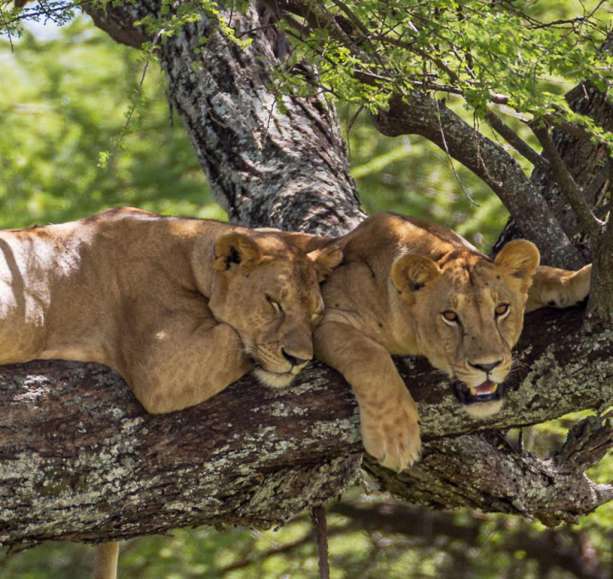
On a Tanzania safari, plans are detailed, but nature does not follow a timetable. Lions may sleep far from the road. Wildebeest may move with rain. A leopard may appear after hours of quiet. A road may be slower than expected. A good guide keeps the day calm and flexible.
This is where the spirit of Hakuna Matata can become practical. It does not mean careless planning. It means traveling with patience when the wild decides the pace.
For safari guests, the phrase can be a reminder to:
- Leave space in the itinerary.
- Trust the guide when wildlife movement changes.
- Avoid rushing through too many parks.
- Choose better pacing over a long checklist.
- Enjoy quiet moments between major sightings.
The best Tanzania safari is not only the one with the most famous park names. It is the route that gives each place enough time to work. Serengeti needs time because wildlife is spread across a huge landscape. Ngorongoro needs smart timing because the crater is compact and popular. Tarangire rewards slower looking, especially around elephants and baobabs. Lake Manyara, Arusha and cultural stops can soften the route when used well.
Hakuna Matata should never be an excuse for poor organization. A serious safari company should still plan carefully, communicate clearly and explain what is included. But once the plan is strong, travelers also need the patience to let Tanzania unfold.
Hakuna Matata in Zanzibar
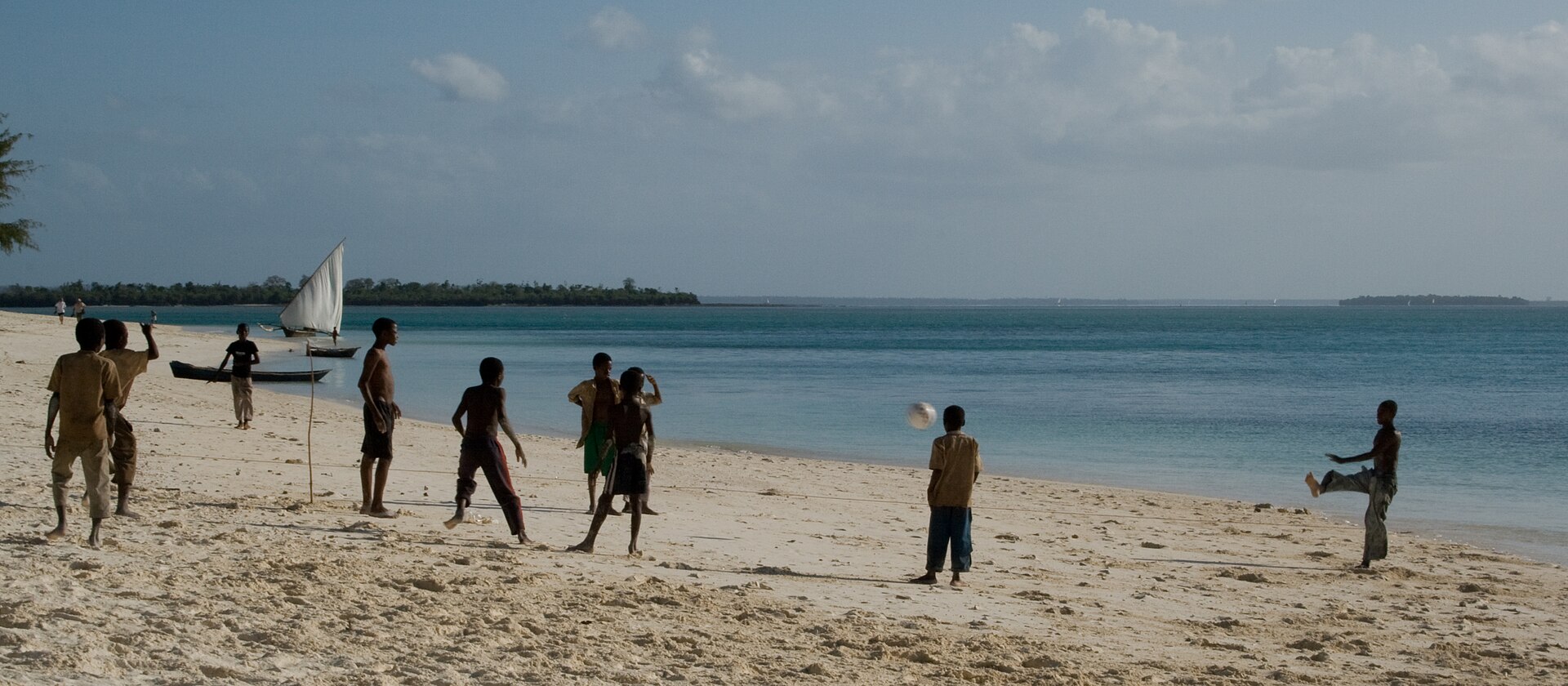
Zanzibar gives the phrase another layer of meaning. The island is part of Tanzania, but it has its own coastal rhythm, history and atmosphere. Stone Town carries Swahili, Arab, Indian and Portuguese influences. The beaches bring tides, fishing boats, spice farms, coral reefs and slow evenings by the Indian Ocean.
In Zanzibar, visitors may hear Hakuna Matata around hotels, beach excursions, markets and informal conversations. But the island also teaches another lesson: slow down. Tides change beach activities. Spice tours take time. Stone Town is better explored with curiosity than with a rushed checklist.
A safari and Zanzibar combination works beautifully when planned with the right rhythm. Many travelers begin with northern Tanzania wildlife, then fly to Zanzibar for rest. Others start on the coast and add a short mainland safari. The right choice depends on flight timing, budget, travel month and how much energy the group has.
For a first-time visitor, a balanced route may include:
- Arrival through Kilimanjaro or Arusha.
- Tarangire or Lake Manyara for a gentle first safari day.
- Ngorongoro for concentrated wildlife.
- Serengeti for big open plains and migration possibilities.
- Zanzibar for beach recovery, Stone Town and spice culture.
That is the real travel meaning of Hakuna Matata: not ignoring details, but building a route with enough breathing room.

Tanzania: More Than One Keyword
The keyword Tanzania is broad because the country itself is broad. Searchers may be looking for geography, time zones, elections, football, Zanzibar, safari, safety, language, culture or travel costs. A strong travel page should help the right reader quickly understand what Tanzania offers as a destination.
For travelers, Tanzania is especially known for:
- Serengeti National Park and the Great Migration.
- Ngorongoro Crater and dense wildlife viewing.
- Tarangire National Park and elephant herds.
- Mount Kilimanjaro, Africa’s highest mountain.
- Zanzibar, Pemba and Mafia Island.
- Swahili culture, coastal history and local hospitality.
- Private safaris, family trips, honeymoons and safari-and-beach routes.
This is why a page about Hakuna Matata can become more powerful when it connects to Tanzania travel. Someone searching the phrase may only want a definition today, but they may also be curious about where the phrase comes from, how Swahili is used, and what it feels like to travel in a Swahili-speaking country.
Useful Swahili Phrases for Tanzania Travelers
Learning a few Swahili phrases makes a Tanzania trip warmer. You do not need to become fluent. Even simple greetings show respect.
Here are useful phrases:
- Jambo – hello, often used with visitors.
- Habari – how are things?
- Nzuri – good.
- Asante – thank you.
- Asante sana – thank you very much.
- Karibu – welcome.
- Sawa – okay.
- Pole pole – slowly, take it easy.
- Hakuna shida – no problem.
- Tafadhali – please.
Use them naturally. A smile and respectful tone matter. If you are unsure, keep it simple.
When Not to Use Hakuna Matata
Because the phrase is relaxed, it does not fit every situation. If someone is explaining a serious problem, responding with Hakuna Matata may sound like you are dismissing the issue. In formal or sensitive moments, use calmer language such as I understand, thank you for explaining, or simply sawa.
Travelers should also avoid treating Swahili as a performance. Use the phrase with respect, not as a joke at someone else’s expense. Tanzania is welcoming, but it is also a real country with real people, languages, faiths, histories and daily life beyond tourism.
How Hakuna Matata Helps Travelers Understand Tanzania
The best reason to learn Hakuna Matata is not because it is famous. It is because it helps travelers notice the importance of tone in Tanzania.
Safari requires patience. Zanzibar rewards slowness. Cultural travel depends on respect. A guide’s calm voice can change a difficult travel day. A flexible itinerary can protect a family from exhaustion. A slower route can make a honeymoon feel more private. A short Swahili phrase can turn a transaction into a warmer exchange.
That does not mean everything in travel is effortless. Flights, park fees, lodge locations, road times and seasonality all matter. A good Tanzania safari still needs serious planning. But the emotional rhythm of the trip is different when you understand that not every beautiful moment can be forced.

Planning a Tanzania Safari With the Hakuna Matata Mindset
If you want a Tanzania trip that feels smooth, start with these planning principles:
Choose fewer places and give them enough time
Trying to see every famous destination can make the route tiring. Serengeti, Ngorongoro, Tarangire, Kilimanjaro and Zanzibar are all excellent, but they should be arranged with realistic travel time.
Match the route to the season
Wildlife movement, road comfort, beach weather and lodge availability change through the year. A migration safari needs different planning from a family safari or a Zanzibar beach holiday.
Use local guidance
A local safari planner can explain what looks good on a map and what feels good on the ground. This is especially important for families, older travelers, honeymooners and visitors combining safari with Zanzibar.
Ask what is included
Park fees, vehicle use, guide costs, domestic flights, transfers, meals and lodge taxes can change the final cost. Clear quotes prevent stress later.
Leave space for the unexpected
Some of the best safari memories happen between planned highlights: a quiet sunrise, elephants crossing slowly, children laughing at camp, or a guide stopping because he heard alarm calls in the bush.

Tanzania Travel Data Behind the Hakuna Matata Mindset
Many travelers first search broad phrases such as Tanzania, Tanzania safari, Zanzibar Tanzania, Tanzania and Zanzibar, time in Tanzania, or even Africa Tanzania before they understand what kind of trip they want. Those searches look simple, but the intent behind them is wide. Some people want a map answer, some want a safari route, some want beach timing, some want cultural context, and some are checking whether Tanzania is the right country for a first African journey.
For a travel page to be genuinely useful, it should not only define Hakuna Matata. It should help the reader understand the country behind the phrase. Tanzania is in East Africa, bordered by the Indian Ocean and connected in travel planning with Zanzibar, Serengeti, Ngorongoro, Tarangire, Kilimanjaro, Arusha, Lake Manyara, Nyerere, Ruaha, Mafia Island and Pemba. The strongest Tanzania itineraries do not treat these places as a random checklist. They arrange them around season, wildlife movement, flight logic, road comfort, lodge placement and the traveler’s energy.
Time in Tanzania and why it matters
The time in Tanzania is UTC+3, and the country does not use daylight saving time. That sounds like a small planning detail, but it matters when travelers are connecting long-haul flights, domestic safari flights, early game drives and Zanzibar transfers. A visitor flying from the United States or Europe may arrive tired, then face a morning departure to Tarangire, Ngorongoro, Serengeti or Zanzibar. A calm itinerary builds recovery time into the first day rather than forcing the traveler to perform before they have adjusted.
This is where the Hakuna Matata mindset becomes practical. It is not laziness and it is not poor planning. It is the confidence that comes from a route arranged with enough breathing room. If arrival is late, the first night should be in Arusha or near Kilimanjaro International Airport. If the guest is combining Tanzania and Zanzibar, the safari-to-beach transfer should respect flight schedules and luggage limits. If the safari includes children or older travelers, the pace should be gentler than a map-only itinerary suggests.

What top Tanzania safari pages usually explain
The strongest Tanzania safari companies and travel brands usually cover the same core questions: where to go, when to go, how long to stay, whether to drive or fly, how to combine safari with Zanzibar, what kind of lodge to choose, and how to avoid wasting money on a route that looks impressive but feels exhausting. To go deeper than a standard company page, the explanation needs to connect those questions together instead of treating them as separate lists.
A good Tanzania safari route starts by deciding what matters most. A first-time traveler may need Serengeti, Ngorongoro and Tarangire because those parks give a strong northern circuit introduction. A honeymoon may need fewer one-night stops, better privacy and a smoother Zanzibar ending. A family may need shorter drives, family rooms and a private vehicle. A migration-focused traveler may need the right part of Serengeti for the month, not only the word Serengeti in the itinerary. A culture-focused traveler may want Maasai, Hadzabe, Chagga, Swahili coast or village experiences added with respect and enough time.
Tanzania and Zanzibar as one journey
Tanzania and Zanzibar are often searched together because the combination is emotionally complete: wildlife first, coast second. The safari gives big landscapes, guiding, animal behavior and early mornings. Zanzibar gives ocean air, Stone Town, spice farms, dhow culture, seafood, beaches and slower evenings. The mistake is to treat Zanzibar as an afterthought. It should be planned with the same care as the safari, because beach location, tide patterns, transfer time and the number of nights can change the feel of the whole trip.
For many travelers, the best sequence is Arusha or Kilimanjaro arrival, northern Tanzania safari, then a flight to Zanzibar. For a shorter holiday starting from Zanzibar, a fly-in safari can work, but the park choice must match time and budget. Serengeti and Ngorongoro are iconic, yet they need enough time and stronger logistics. Mikumi or Nyerere can be easier for very short Zanzibar-based safari ideas, while Serengeti is better when the traveler can invest more days and fly carefully.
Search intent that does not belong in this safari guide
Some high-volume searches around Tanzania are not travel-planning searches. Tanzania election protests and Nigeria vs Tanzania are examples of news or sport intent, not safari intent. They should not be forced into a safari article as if they help a traveler plan a route. A professional travel page can mention that those searches are different, then stay focused on the visitor who wants Tanzania travel, Tanzania safari, Zanzibar Tanzania, time in Tanzania and Tanzania and Zanzibar route guidance.
How to make the route stronger than a generic package
A generic package sells park names. A stronger Tanzania plan explains trade-offs. Serengeti gives scale and migration possibilities, but it needs time. Ngorongoro gives concentrated wildlife in a dramatic crater, but it is popular and should be timed carefully. Tarangire is excellent for elephants and baobabs, especially when the dry season pulls wildlife toward water. Lake Manyara can soften a route when used correctly, but it should not be oversold as a replacement for Serengeti. Zanzibar is beautiful after safari, but a rushed one-night beach ending rarely feels like rest.
- For first-time travelers: choose a route that balances Serengeti, Ngorongoro and Tarangire without too many one-night lodge changes.
- For Tanzania and Zanzibar: protect at least three beach nights when possible, especially after a longer safari.
- For families: prioritize room setup, private vehicle comfort, realistic drive times and lodge pools or rest time.
- For migration travel: ask which Serengeti sector matches the month instead of accepting a vague migration promise.
- For value: compare what is included: park fees, concession fees, domestic flights, transfers, guide, meals, drinks, laundry, activities and Zanzibar hotel taxes.
Why Tanzania is more than one keyword
Tanzania is a country, a safari destination, a Swahili-speaking culture, a beach-and-wildlife combination and a practical planning challenge. A person searching Afrika Tanzania or Africa Tanzania may only need orientation at first: Tanzania is in East Africa, south of Kenya and north of Mozambique, with the Indian Ocean on its eastern side and Zanzibar offshore. But a serious traveler needs more than geography. They need to understand how language, season, route design and local guidance shape the real journey.
That is why Hakuna Matata can be a useful doorway into the wider country. The phrase means no worries, but a well-planned Tanzania safari is not casual. It is careful behind the scenes so the guest can feel calm on the ground. The best route uses local knowledge, respects the season, gives each destination enough time and connects Tanzania and Zanzibar without making the trip feel rushed.

Tanzania Safari Timing and Route Planner
A deeper Tanzania guide should help travelers choose the right month and route, not only repeat famous destination names. Tanzania safari planning changes with rain, wildlife movement, lodge demand, domestic flights, school holidays and Zanzibar beach conditions. This is where a local planner can protect the trip from becoming too rushed or too generic.
January to March: calving, green plains and quieter travel
January to March can be excellent for travelers who want a softer, greener Tanzania safari. The southern Serengeti and Ndutu area can be strong for calving season, predator activity and open plains photography. This period can also suit couples and careful photographers because the light is often beautiful and the experience can feel less crowded than peak river-crossing months.
June to October: dry season, river crossings and high demand
June to October is the period many travelers imagine when they search Tanzania safari. Dry-season visibility is strong, wildlife gathers around water and northern Serengeti can become important for migration-focused routes. It is also a busy and expensive period, so lodge placement, early booking and realistic movement matter. A route that says Serengeti is not enough; it needs the right Serengeti area for the month.
November and December: short rains, value and color
November and December can be useful for travelers who want color, value and fewer crowds, though weather can be more variable. The short rains do not usually mean every day is lost, but road conditions, lodge access and photography goals should be discussed honestly. This is a good example of why a Tanzania itinerary needs advice rather than a fixed template.

Which park should a first-time traveler choose?
For first-time travelers, Serengeti gives scale, Ngorongoro gives concentrated wildlife, Tarangire gives elephants and baobab country, and Lake Manyara can soften the route when used carefully. A five- to seven-day northern circuit often gives better value than trying to squeeze every famous name into three days. For a short trip from Zanzibar, it may be better to choose fewer parks and use flights wisely instead of promising too much road travel.
- Choose Serengeti when migration, big landscapes and multi-day wildlife immersion matter most.
- Choose Ngorongoro when concentrated wildlife viewing and crater scenery are important.
- Choose Tarangire when elephants, baobabs and a gentler first safari day fit the route.
- Choose Zanzibar after safari when the traveler needs real rest, ocean air and Swahili coast culture.
- Choose domestic flights when distance would steal too much time from wildlife or beach days.
How Tanview should answer these searches
For broad keywords such as Tanzania, Tanzania and Zanzibar, Africa Tanzania and Tanzania safari, the page should answer both the simple and deeper intent. The simple answer is that Tanzania is one of East Africa’s strongest safari-and-beach countries. The deeper answer is that the best journey depends on route design: arrival airport, number of nights, season, park order, lodge style, domestic flights, family needs, guide quality and how much Zanzibar rest the traveler wants.
This article now connects the language keyword Hakuna Matata with the real planning questions behind Tanzania travel. It helps a reader move from curiosity to a practical route: learn the phrase, understand the country, compare safari and Zanzibar timing, then ask Tanview Safaris for a calm local plan that fits the season.

Tanzania Safari Cost, Value and Mistakes to Avoid
Many travelers who search Tanzania safari are not only dreaming; they are comparing real money. They want to know why one quote is cheaper, why another route costs more, whether Zanzibar flights are worth it and whether a short safari can still feel meaningful. The honest answer is that Tanzania safari cost depends on route, season, park fees, vehicle days, lodge level, domestic flights, group size, guide quality and how much time is spent in expensive areas such as Serengeti and Ngorongoro.
What usually changes the price most?
- Number of vehicle days: A private safari vehicle, professional driver-guide and fuel are major cost drivers, especially for couples and small families.
- Park and conservation fees: Serengeti, Ngorongoro, Tarangire, Lake Manyara and other protected areas have official fees that affect the final quote.
- Lodge location: A well-located camp inside or near the right wildlife area can cost more but save time and improve the safari.
- Domestic flights: Flying Serengeti to Zanzibar can raise the price, but it may protect a whole day of rest.
- Season: Peak months and holiday periods usually increase lodge demand and reduce availability.
- Group size: Sharing one vehicle across more travelers can reduce the per-person vehicle cost.
How to compare safari quotes without choosing badly
Do not compare only the final total. Compare what the route is asking the traveler to do each day. A cheaper itinerary may hide longer drives, weaker lodge placement, fewer included fees or too little time in the parks that matter most. A more expensive itinerary should explain its value clearly: better season fit, better guide time, fewer rushed transfers, stronger accommodation placement, useful flights or a more comfortable Zanzibar finish.
For Tanview Safaris, this is an opportunity to sound more helpful than generic price pages. The best answer is not simply “budget, midrange or luxury.” The better answer is: what experience are you protecting with the money? For a honeymoon, privacy may be worth more. For a family, pacing and room setup may matter most. For a migration safari, the correct Serengeti sector can matter more than a famous lodge name. For a Zanzibar combination, the cost of a flight may be justified if it gives the traveler a real beach day instead of another tiring road day.
Mistakes that make Tanzania safari feel less valuable
- Trying to see too much too quickly: Serengeti, Ngorongoro, Tarangire, Lake Manyara and Zanzibar cannot all be meaningful if every day is rushed.
- Ignoring drive times: Tanzania looks simple on a map, but roads, park gates and wildlife areas shape the real day.
- Booking the wrong Serengeti area: Migration routes shift by month, so the right sector matters.
- Leaving Zanzibar too short: One rushed beach night after safari rarely feels like rest.
- Choosing a quote without inclusions: Ask about park fees, concession fees, meals, drinks, transfers, domestic flights, guide, vehicle and taxes.
- Forgetting the first arrival day: Long flights and time-zone adjustment can make an immediate long drive feel harder than expected.
Simple route examples for different travelers
A first-time safari can work well with Tarangire, Ngorongoro and Serengeti over five to seven days, then Zanzibar if the traveler has more time. A family route may reduce one-night stays and choose lodges with easier room arrangements. A honeymoon route may fly one direction to avoid fatigue and protect privacy. A short Zanzibar-based safari should be honest about time: if the traveler has only two or three days, the route should not promise the same depth as a full northern circuit.
The Hakuna Matata lesson is useful here because the calm feeling comes after the details are handled. A traveler should not be told “no worries” because the plan is vague. They should feel no worries because the route, season, cost and daily pace have been explained clearly.
For help turning this into a real route, travelers can compare Tanzania safari packages, explore Tanzania safari destinations, read more safari planning guides, or send details through Tanview Safaris enquiry.
FAQ
What does Hakuna Matata mean in English?
Hakuna Matata means no worries, no problem, or more literally, there are no problems.
Is Hakuna Matata Swahili?
Yes. It is a Swahili phrase. Swahili is widely spoken in Tanzania and across East Africa.
Do people in Tanzania really say Hakuna Matata?
Yes, but it is also strongly associated with tourism. In everyday conversation, you may also hear hakuna shida, hamna shida, sawa or ni sawa.
Is Hakuna Matata used in Zanzibar?
Yes, travelers may hear it in Zanzibar, especially in tourism settings. Zanzibar is also a strong place to experience Swahili-coast culture, Stone Town, spice farms, beaches and local hospitality.
Can I use Hakuna Matata on safari?
Yes, but use it naturally. It works best for light reassurance or friendly conversation. For serious issues, use more direct and respectful language.
Does Hakuna Matata mean travel without planning?
No. A good Tanzania trip still needs careful planning. The phrase is better understood as a relaxed attitude after the important details are handled.

Conclusion
Hakuna Matata is more than a famous phrase. In Tanzania, it connects language, hospitality, safari patience and the slower rhythm of the Swahili coast. It means no worries, but for travelers it can also mean something deeper: plan well, move respectfully, trust the guide, and leave enough space for Tanzania to surprise you.
If you are planning a safari, Zanzibar beach holiday or full Tanzania itinerary, use the phrase as a reminder to build the trip with care. The best journey is not rushed. It is clear, calm, well guided and personal.