
Toproute
8-Day Northern Circuit Route Kilimanjaro Trek is a private Tanzania safari planned by Tanview Safaris for travelers who want wildlife-rich routing, flexible pacing, local guiding, and practical support from enquiry to departure. It is best for guests who value expert planning, clear communication, and a tailor-made safari experience.
8-daagse Kilimanjaro-trekking op de noordelijke circuitroute
Een schilderachtige, acclimatisatievriendelijke Kilimanjaro-route voor serieuze toppogingen.
Mountain guides, porters, and cook crew • All park fees and rescue fees • Camping equipment and meals on the mountain

Reisoverzicht
Hoe deze safari voelt
8-daagse Northern Circuit Route Kilimanjaro Trek overzicht
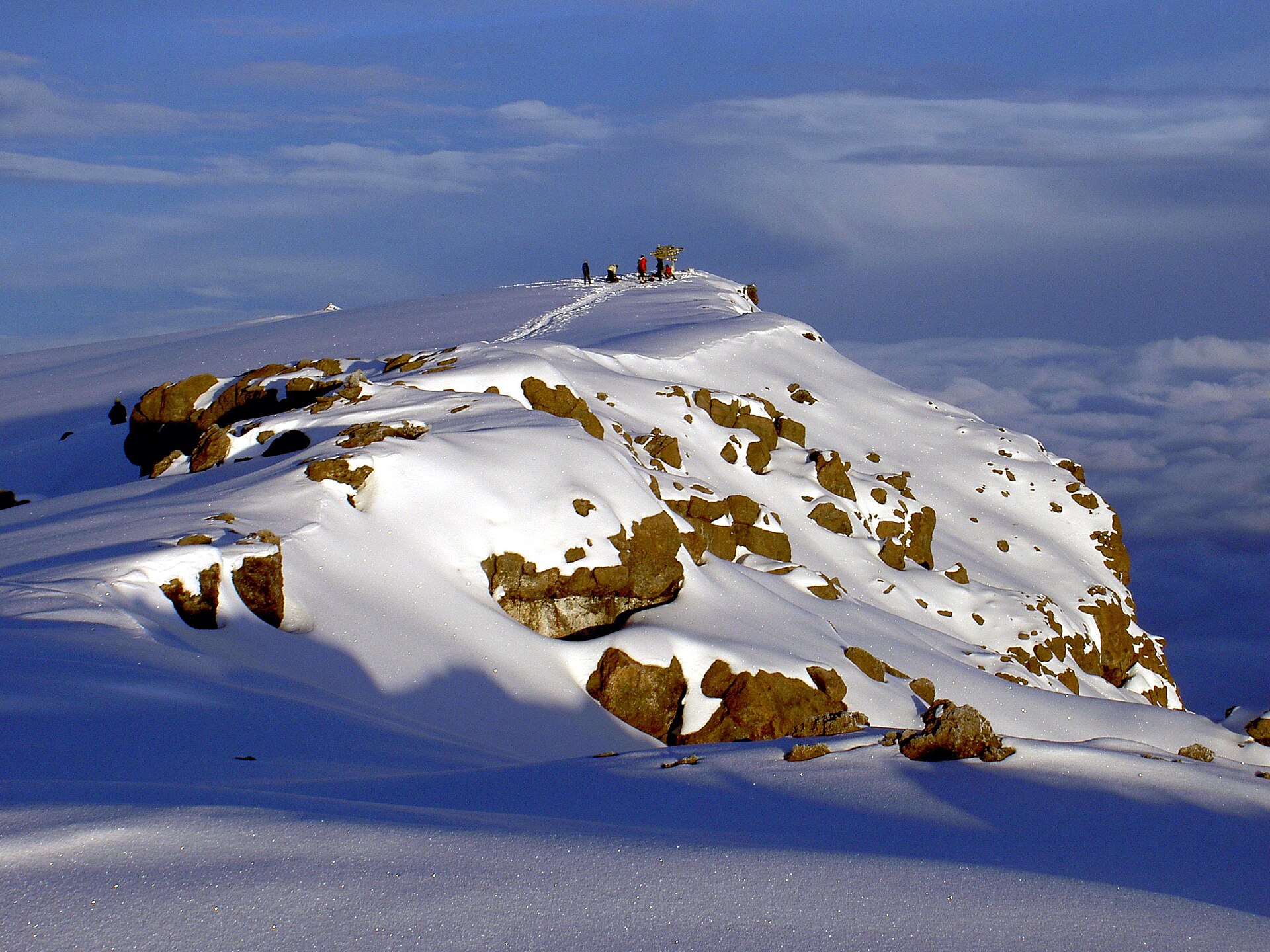
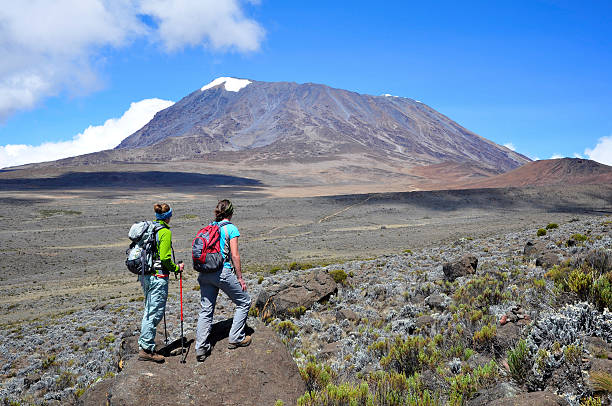
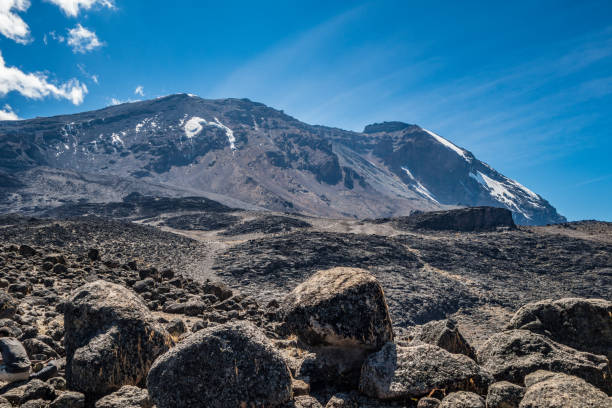
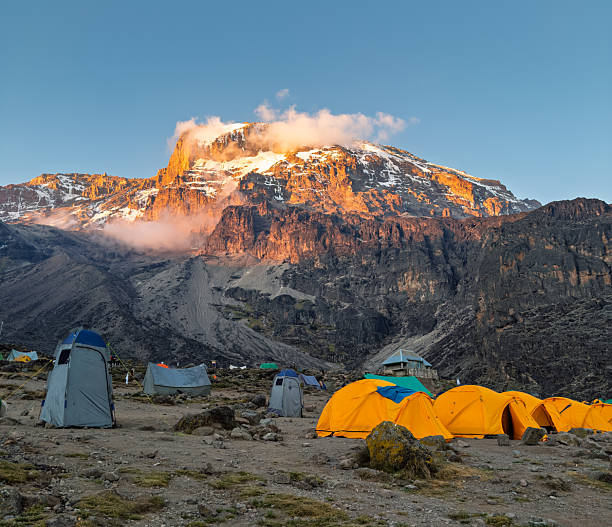
The Northern Circuit route is the newest route up Mount Kilimanjaro and arguably the best. That’s because the combination of all of the best elements of the other routes rolled into one fantastic hike. If you’re looking for beautiful scenery, plenty of solitude, a healthy challenge, and the potential to spot wildlife, this is definitely the route for you. The Northern Circuit route follows the same route as the Lemosho route for the first few days, but rather than sticking to the south side of Kibo, it turns to the little-used northern trails instead.
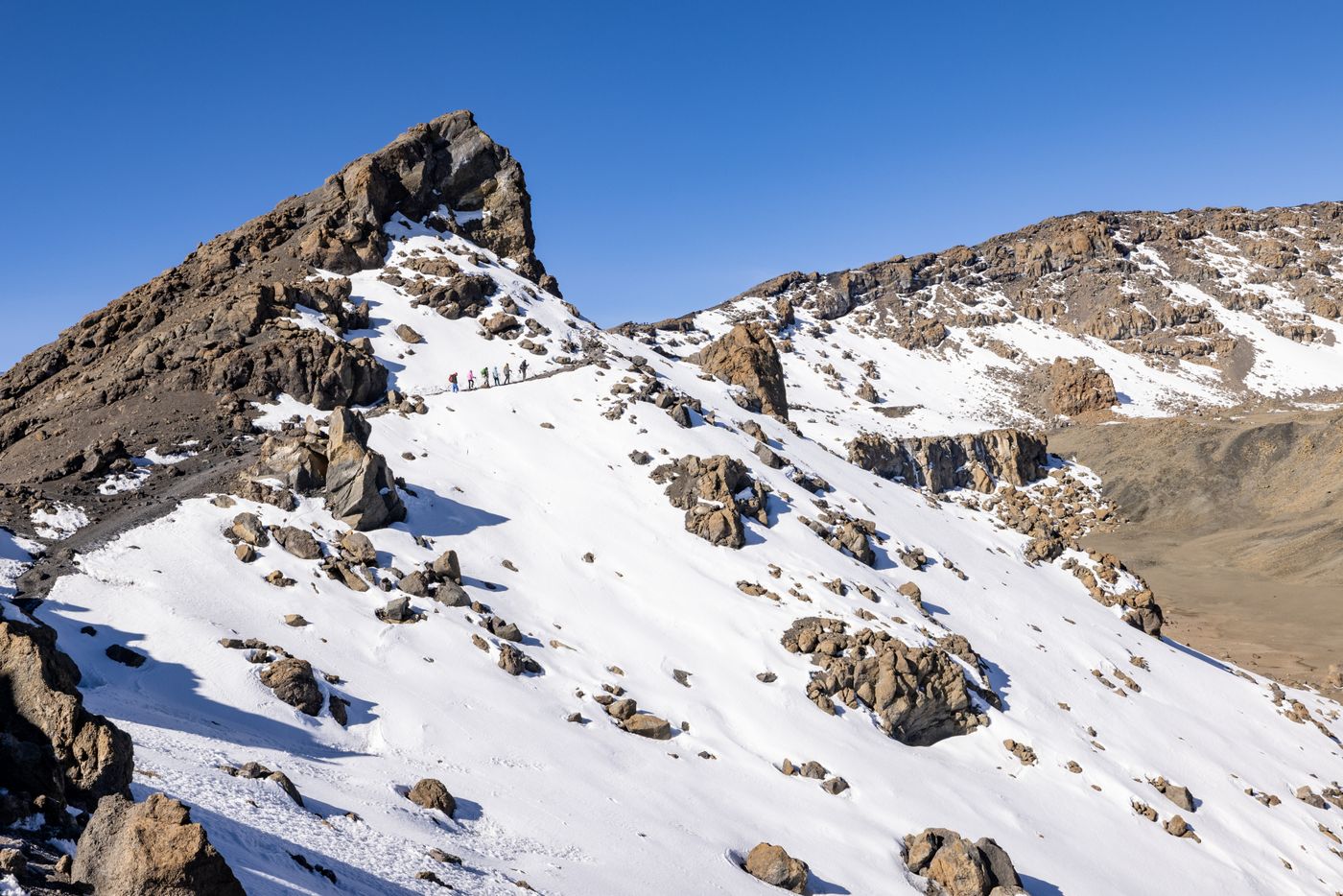
This path is virtually devoid of other trekkers and as a result, the campsites are quiet, peaceful, and practically deserted. Because the Northern Circuit route is longer than the other trails, it gives trekkers a chance to take in more of the mountain. Not only do they get a chance to hike across the awe-inspiring Shira Plateau, but they’ll also catch glimpses of Kibo Peak and Uhuru Summit along the way. It also provides amazing views down onto the open plains that are found to the north of the mountain, something that is seen by only a handful of other hikers while climbing Kilimanjaro.
Reisplan
Tanview Safaris privé Kilimanjaro-route
8-daagse Kilimanjaro-trekking op de noordelijke circuitroute
The 8-Day Northern Circuit is Tanview’s strongest Kilimanjaro route for acclimatization, scenery and a quieter mountain experience. It approaches from the west, crosses the Shira Plateau, curves around the northern slopes and descends by Mweka after the summit.
Deze route is het beste voor klimmers die meer tijd willen om zich aan de hoogte aan te passen en de voorkeur geven aan een privé, goed tempo klim in plaats van de kortst mogelijke route.
Route-momentopname
8 bergdagen
Een sterke lengte voor acclimatisatie en een rustigere benadering van de top.
Westelijke start, noordelijke traverse
Begint via de Lemosho-kant en beweegt zich rond rustiger noordelijk terrein.
Matig tot veeleisend
Geen technisch klimmen, maar hoogte, kou en lange topnacht maken het serieus.
Vanaf USD 3.180
De definitieve prijsopgave is afhankelijk van de groepsgrootte, data, hotelplan, uitrustingsbehoeften en uitbreidingen.
Nieuwe klimmers met voldoende tijd
Geschikt voor reizigers die acclimatisatie belangrijker vinden dan de laagste totaalprijs.
Safari of Zanzibar
Voeg na herstel Ngorongoro, Tarangire, Serengeti of Zanzibar toe.
Waarom kiezen voor het Noordelijke Circuit?
Meer tijd voor hoogteaanpassing
De route geeft het lichaam meer nachten op de berg dan compacte beklimmingen. Die extra tijd kan ervoor zorgen dat de nadering van de top meer gecontroleerd aanvoelt.
Een rustigere kant van de Kilimanjaro
De noordelijke traverse staat bekend om het minder drukke gevoel dan de drukkere zuidelijke routes, terwijl ze toch een weids uitzicht op de berg bieden.
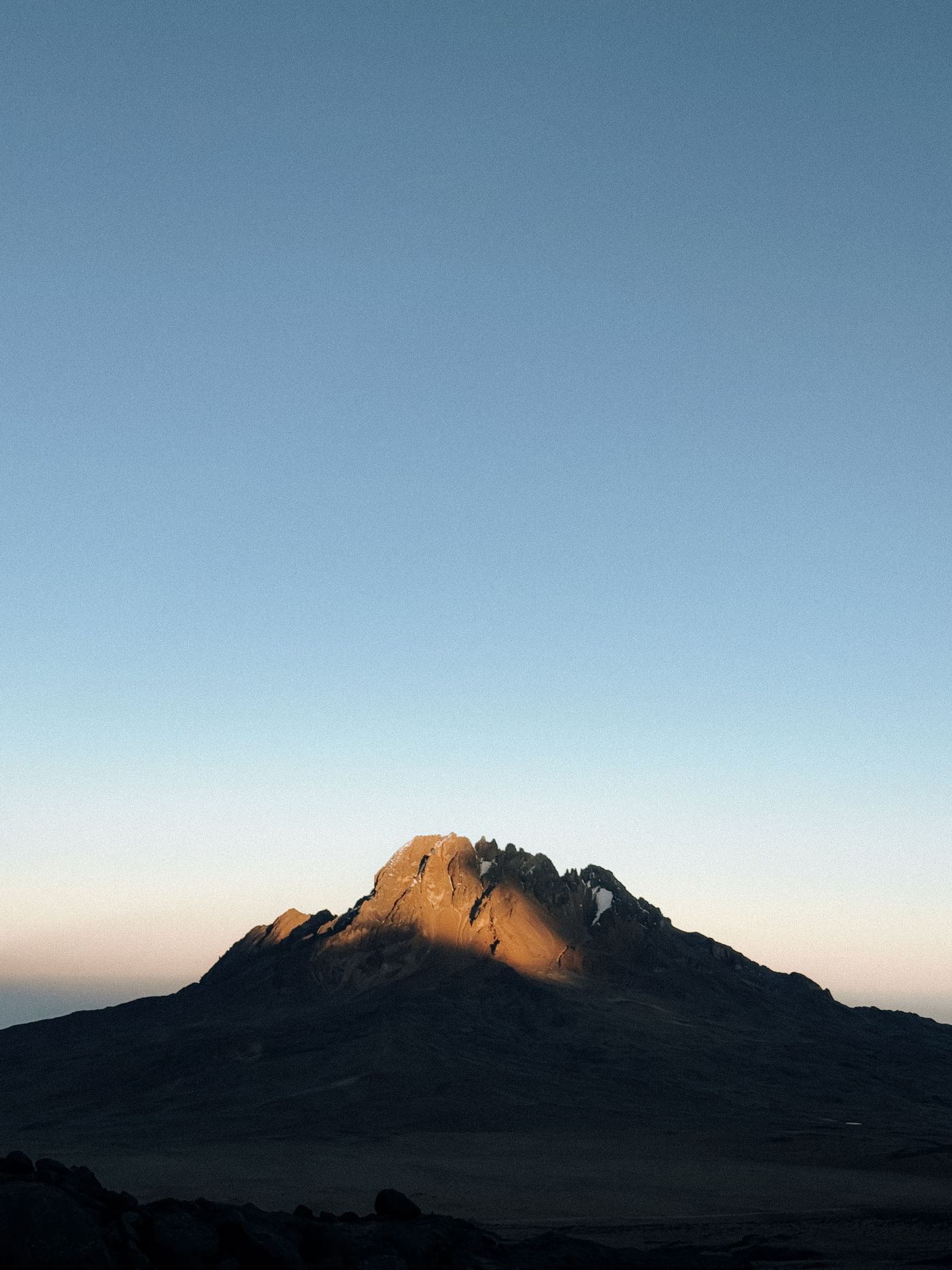
Beter ritme vóór de topavond
Met een 8-dagenplan kan de gids de timing van de maaltijden, rust, hydratatie en tempo beschermen vóór de zwaarste nacht van de klim.
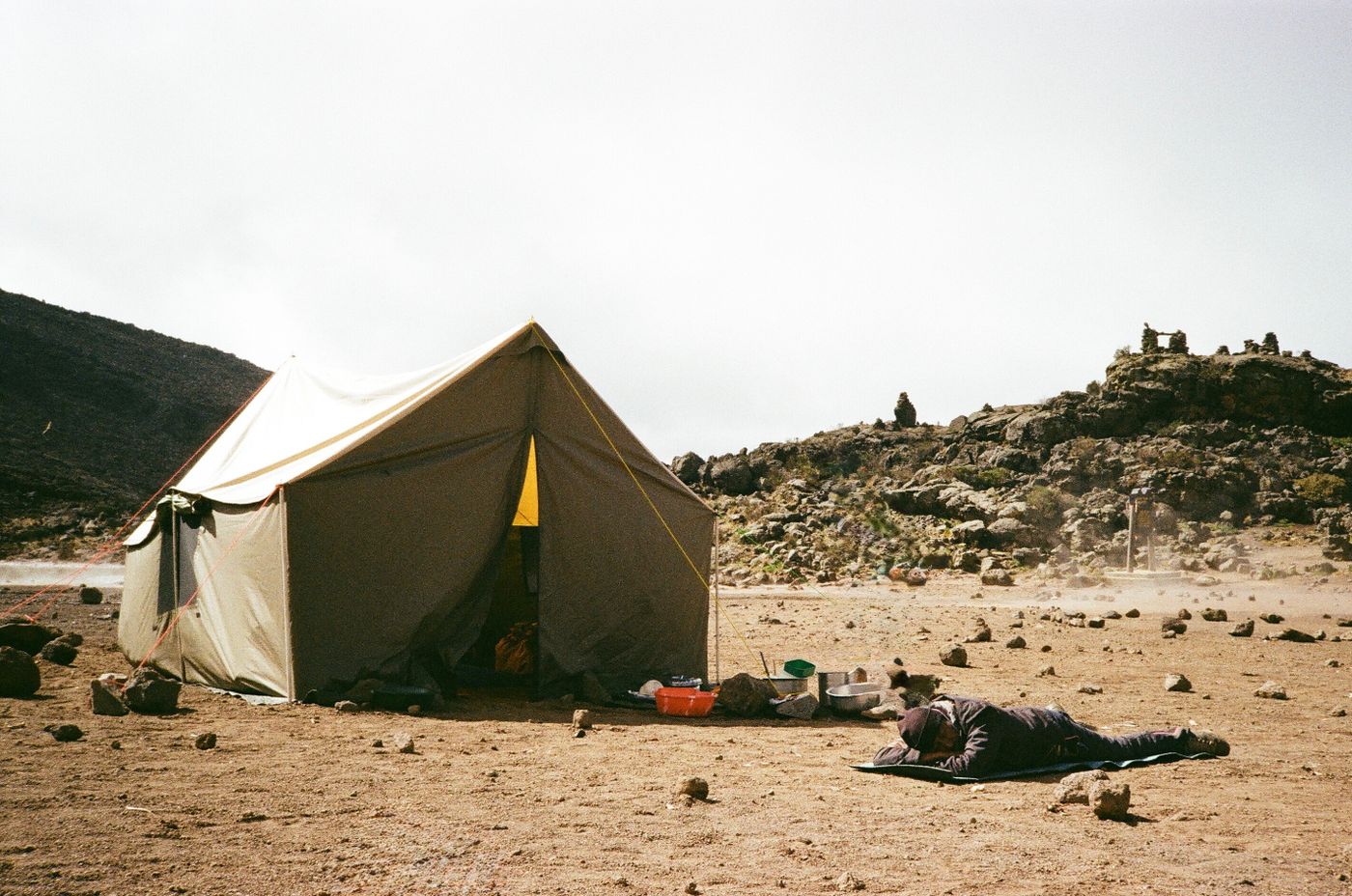
8-daagse Noordelijke Circuitroute
Londorossi Poort naar boskamp
Registreer je, ontmoet de bergploeg en begin met wandelen door de lagere boszone. Het tempo moet vanaf het eerste uur laag zijn.
Boskamp naar het Shira-plateau
Het pad komt uit in heidevelden en weidse uitzichten op de bergen. Dit is waar hydratatie, laagjes en een stabiel ritme er toe doen.
Acclimatisatie van het Shira-plateau
De route gebruikt het plateau voor een geleidelijke aanpassing aan de hoogte voordat de route langs de rustigere noordkant gaat.
Moir-gebied en noordelijke hellingen
Wandel door hoogalpien terrein met een bewust tempo. Gidsen blijven energie-, eetlust- en hoofdpijnsignalen controleren.
Buffalo of Third Cave-gebied
Het noordelijke circuit houdt de route weg van de drukste paden en beschermt de acclimatisatie met een rustiger loopritme.
Schoolhutten aanpak
Ga naar de tophoogte, eet vroeg en rust uit voordat je aan de koude nacht klimt richting Stella Point en Uhuru Peak.
Top naar Mweka-kamp
Begin voor zonsopgang, bereik Uhuru Peak als de omstandigheden en de gezondheid het toelaten en daal dan voorzichtig af naar lagere hoogte om te slapen.
Mweka-poort en transfer
Voltooi de bosafdaling, verzamel certificaten wanneer deze worden uitgegeven en stap over voor een douche-, rust- en herstelmaaltijd.
Veiligheid en acclimatisatie
Summit-avond vereist geduld
De laatste beklimming is langzaam, koud en mentaal veeleisend. Goede gidsen beheren het tempo en controleren of elke klimmer nog veilig verder kan.
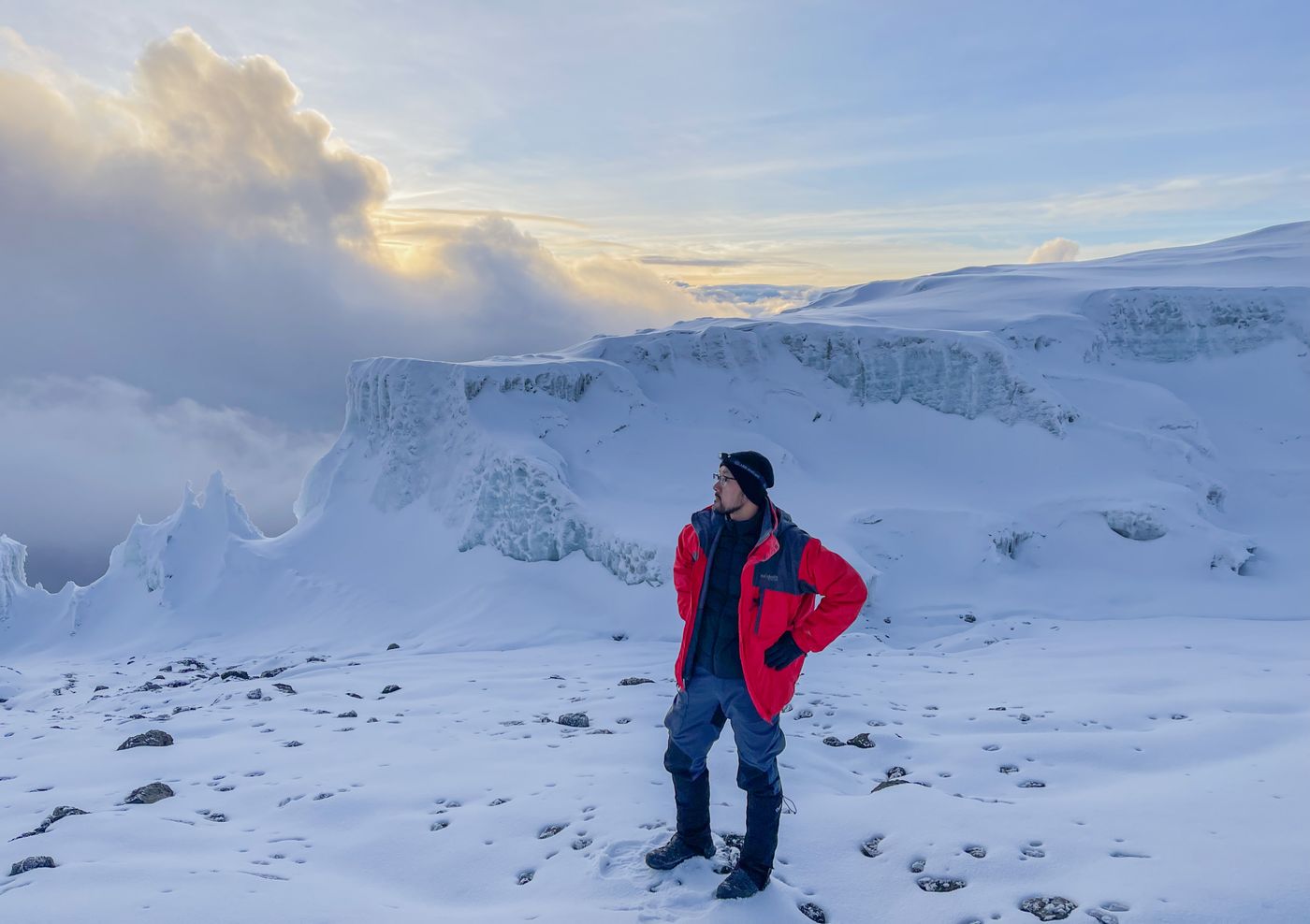
Bemanningsondersteuning houdt de route in beweging
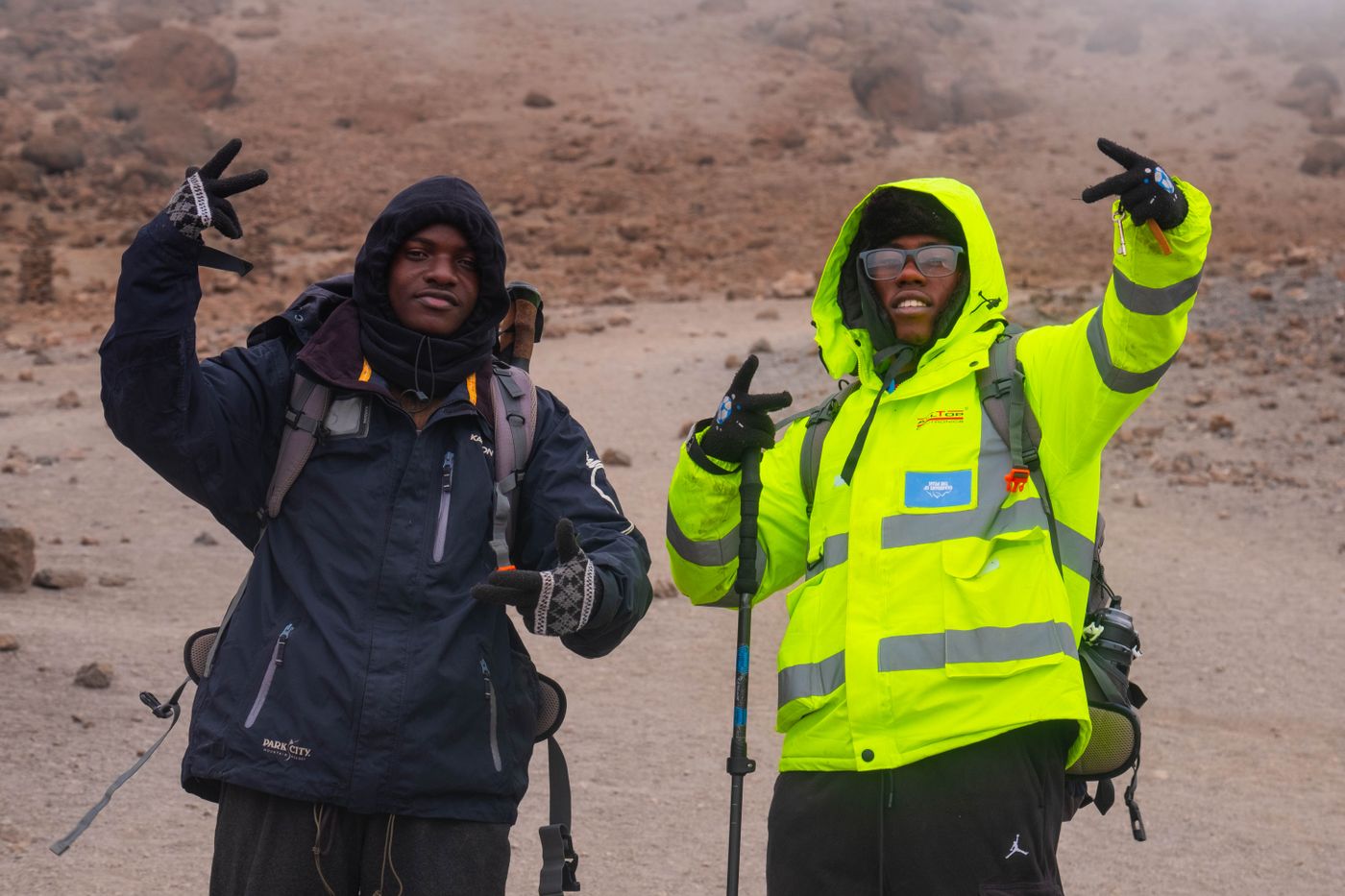
Een duidelijk routeplan is afhankelijk van de juiste organisatie, voeding en uitrusting van dragers, koks en gidsen. Verantwoordelijke zorg voor de bemanning is onderdeel van veilig klimmen.
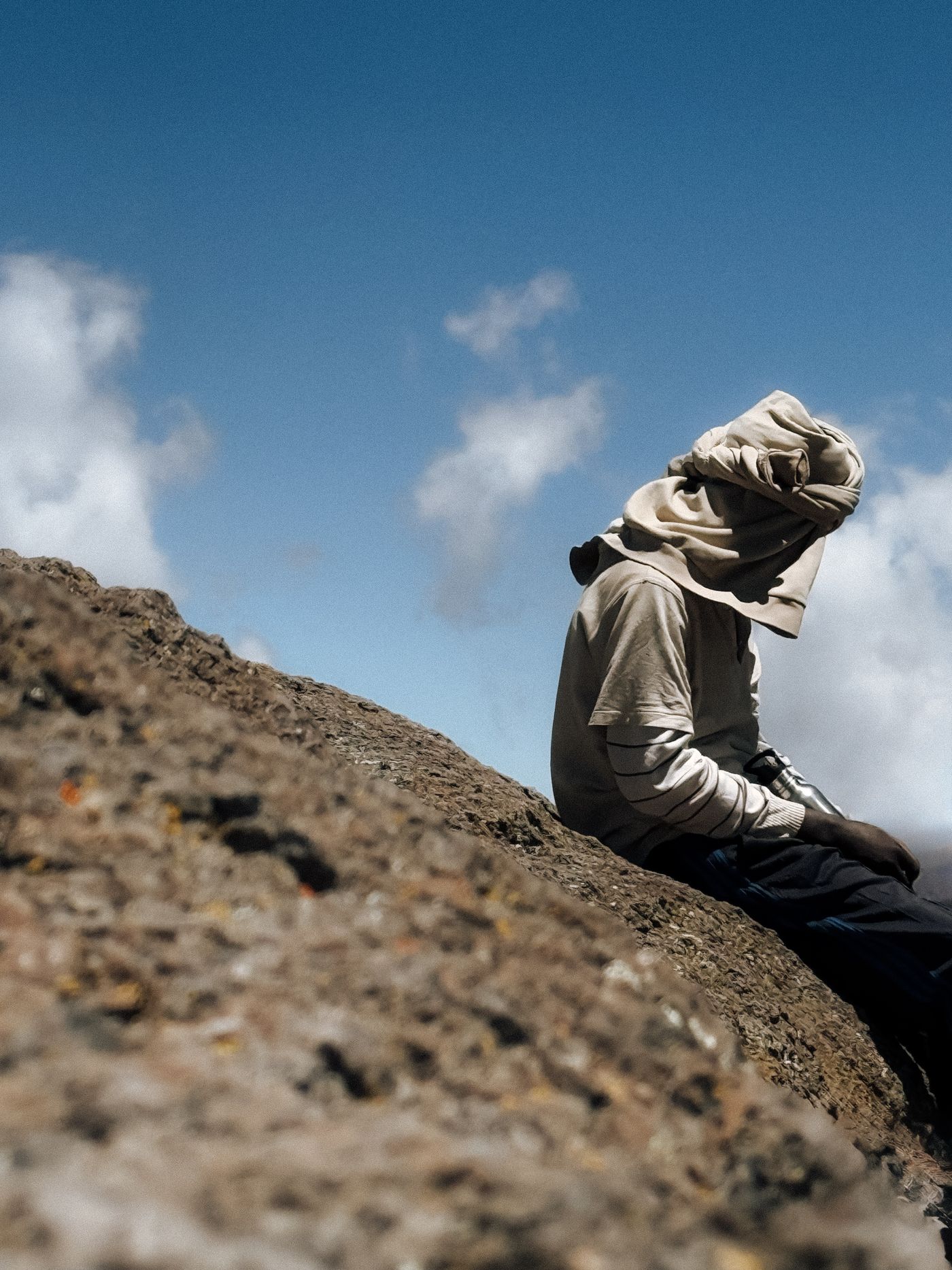
Let vroeg op de symptomen
Hoofdpijn, verandering van eetlust, misselijkheid, slaapkwaliteit en ongewone vermoeidheid moeten met de gidsen worden besproken.
Polepole vanaf het begin
Langzaam lopen op lagere dagen helpt energie te behouden voor grotere hoogten.
Drink gestaag
Hydratatie ondersteunt het comfort, maar vervangt geen goede acclimatisatietijd.
Veiligheid boven druk op de top
Als de symptomen onveilig worden, is afstamming de juiste beslissing.
Kosten, insluitsels en wat de offerte verandert
De gepubliceerde Northern Circuit-route begint vanaf $3.180. Definitieve prijswijzigingen zijn afhankelijk van de privégroepsgrootte, hotelniveau voor en na de klim, transfers, huuruitrusting, reisseizoen, updates van de parktarieven en of u safari of Zanzibar toevoegt.
Bemannings-, route- en berglogistiek
Gidsteam, kampbeweging, maaltijden, tenten, parkarrangementen en routetiming worden samen gepland.
Hotel- en aankomsttransfer
Aankomsttijdstip en pre-klimbriefing moeten worden bevestigd voordat de berg begint.
Herstel nacht
De meeste klimmers hebben rust, een douche en een rustige avond nodig voordat ze op safari gaan of naar het strand gaan.
Safari, Zanzibar en verhuur
Verlengingen en huuruitrusting moeten vóór de storting duidelijk worden vermeld.
Wat moet je meenemen voor deze route?
Bereid je voor op koude bovenste hellingen
De nacht op de top kan veel kouder aanvoelen dan in de lagere kampen. Warme handschoenen, muts, geïsoleerde lagen en een waterdichte buitenkant.
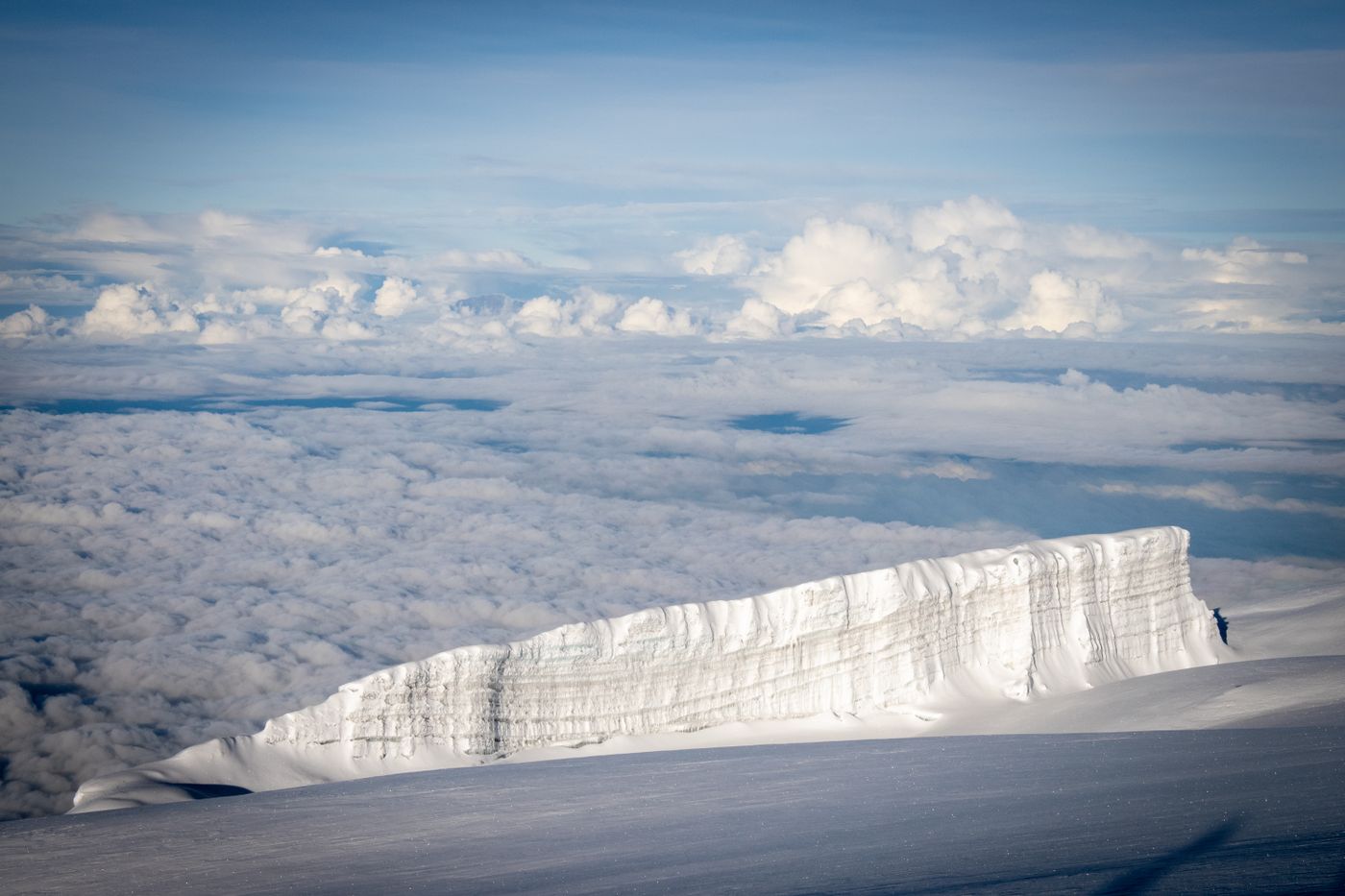
Ingebroken waterdichte wandelschoenen
Test laarzen en sokken voordat u op reis gaat om het risico op blaren te verminderen.
Warme slaapzak
Kies een tas die geschikt is voor koude bergnachten, niet alleen voor de lagere boskampen.
Waterdichte jas en broek
Het weer kan snel wisselen tussen zon, bewolking, regen en wind.
Water, snacks en laagjes
Draag dagelijkse benodigdheden terwijl de bemanning de hoofdbagage vervoert.
Goede safari- en strandcombinaties
Korte safari na de afdaling
Tarangire en Ngorongoro kunnen na de Kilimanjaro een sterke herstelsafari van 2-3 dagen maken zonder al te veel lange transfers toe te voegen.
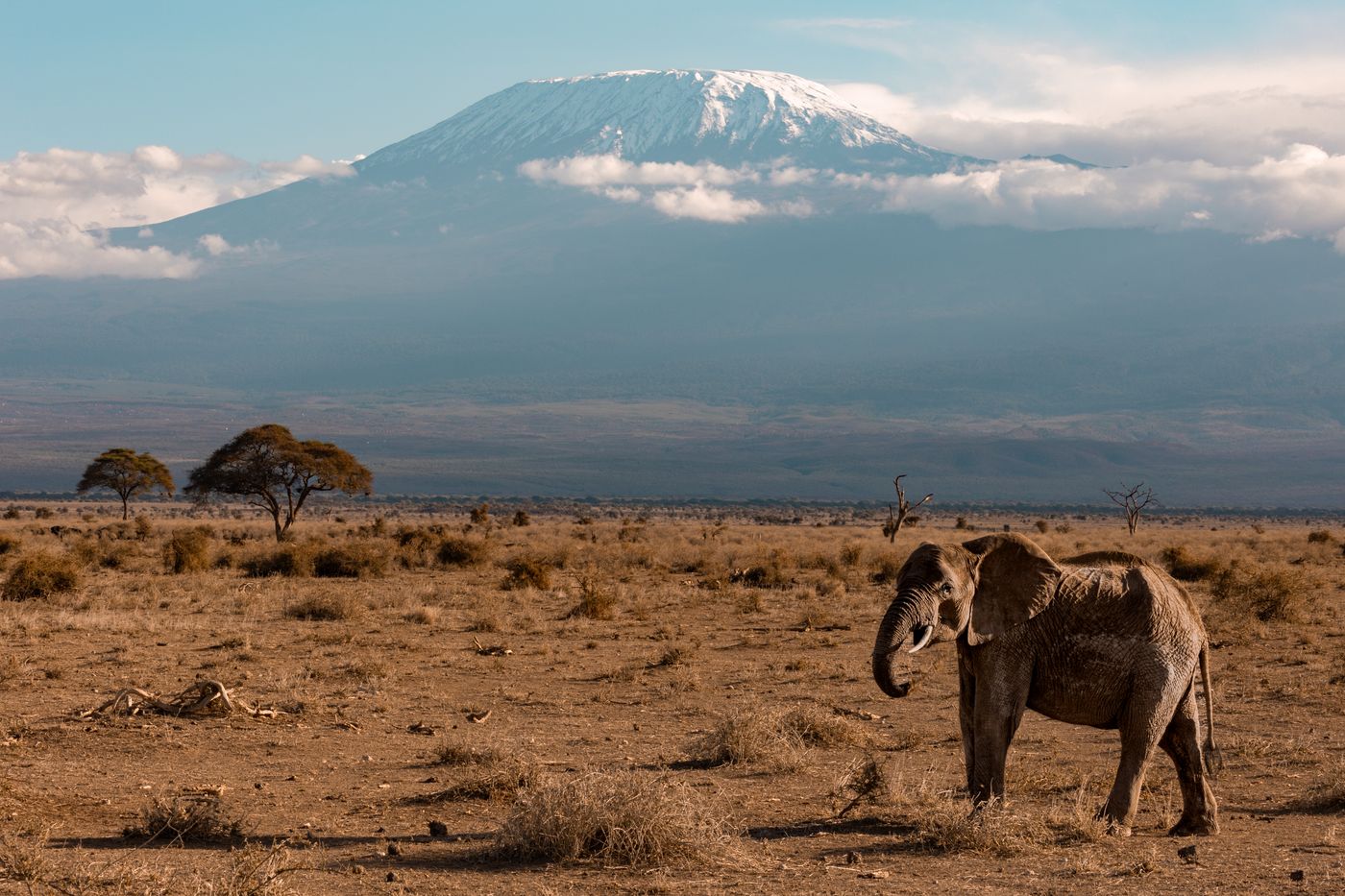
Het strand van Zanzibar eindigt
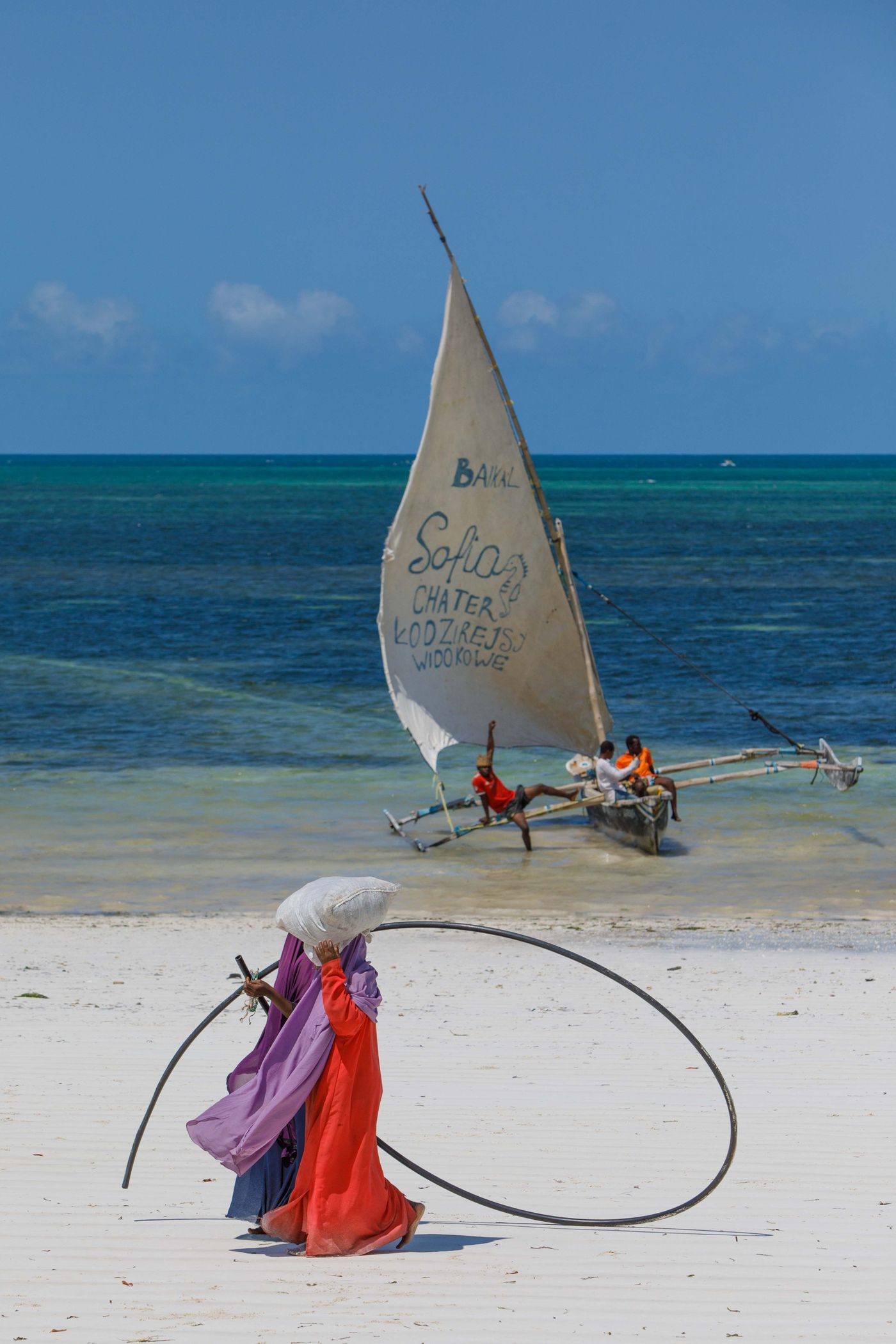
Zanzibar werkt het beste als de klim en safari compleet zijn. Houd voldoende buffer aan vóór de internationale vlucht.
Veelgestelde vragen over de Noordelijke Circuitroute
Is het Noordelijke Circuit goed voor beginners?
Ja, het kan een zeer goede beginnersroute zijn als de klimmer algemene conditie heeft en voldoende tijd heeft voor een 8-daagse route.
Is deze route stiller dan Machame?
Meestal wel. De noordelijke route voelt vaak rustiger aan dan de meest populaire zuidelijke routes, hoewel de omstandigheden per seizoen verschillen.
Kan ik na deze klim een safari toevoegen?
Ja. Tanview kan Tarangire, Ngorongoro, Serengeti of Zanzibar na de route toevoegen, afhankelijk van tijd en budget.
Wat verandert de offerte?
Groepsgrootte, seizoen, hotelniveau, huuruitrusting, updates van parktarieven en uitbreidingen kunnen de definitieve prijsopgave wijzigen.
Volgende stap
Send your travel month, number of climbers, hiking experience, preferred comfort level and whether you want safari or Zanzibar after the climb. Tanview will adjust the Northern Circuit plan around your real travel window.
Vraag een offerte aan voor het Northern Circuit Lees de volledige Kilimanjaro-gids
Tanzania Safari Questions
What is included in this Tanzania safari?
Most Tanview Safaris itineraries can include private guiding, park logistics, accommodation planning, airport transfers, and route support. Final inclusions depend on the confirmed itinerary and lodge category.
Is this safari private or shared?
Tanview Safaris specializes in private and tailor-made safari planning, so the route, pace, vehicle, and lodge level can be adapted to the traveler.
When is the best time to take this safari?
The best time depends on the parks and wildlife priority. Dry-season months are strong for general game viewing, while migration-focused routes depend on the Serengeti region and month.
Can this safari be combined with Zanzibar?
Yes. Many Tanzania safari routes can be paired with Zanzibar for a beach extension after Serengeti, Ngorongoro, Tarangire, or other Northern Circuit parks.
Is this safari suitable for families?
Many routes can work well for families when the daily driving time, lodge style, meal plan, and pace are planned carefully around children and older travelers.
How do I get an accurate safari quote?
Send Tanview Safaris your travel dates, group size, preferred lodge level, parks, and special interests. The team can then prepare a realistic route and price.
Dag na dag
Gedetailleerde routebeschrijving
Lemosho-glades:
Lemosho-glades:
Hoogtepunten van de dag
From your lodge, we will make our way to the Londorosi gate on the Western side…
From your lodge, we will make our way to the Londorosi gate on the Western side of Mt. Kilimanjaro (a few hours drive from Arusha). We will begin our hike at the Lemosho trail head. Please note that in rainy/muddy conditions, sometimes the vehicles can’t make it to the true trailhead so there can be some extra hiking – but Tanview Safaris vehicles usually make it farther than any other company due to our great drivers and vehicles. After a picnic lunch, we will hike for about 4 hours to the forest camp. In the forest, exotic moss and flowers delight the eye while bird calls entertain the ear. You may see Black and White Colobus monkeys as well as signs of the elephants that travel in this area. We will overnight at Forest Camp. Overnight Altitude ~9,498’
Accommodatie
Boskamp
Shira-plateau:
Shira-plateau:
Hoogtepunten van de dag
As we leave the Montane Forest and enter the Hagenia zone, our views open and we…
As we leave the Montane Forest and enter the Hagenia zone, our views open and we will catch our first views of the Kibo peak. This is a good acclimatization hike, as we go up and down several ridges along the way to our highest point of the day at 11,500’ before descending to camp. Overnight at Shira 1 Camp. Overnight Altitude 11,500’ This stage is also planned with careful attention to walking rhythm, altitude awareness, hydration, rest stops, and communication with the mountain crew. Your guide keeps the pace steady and explains how the terrain, weather, and overnight elevation affect the following day. Accommodation is planned at Shira 1 Camp. Meals for the day are listed as Breakfast, Lunch, Dinner. Expected movement or activity timing: 6-9 hours. Before the next day begins, there is time to ask questions, confirm the plan, and settle into the route with confidence.
Accommodatie
Shira 1 kamp
Moir-kamp:
Moir-kamp:
Hoogtepunten van de dag
We will traverse the Heath zone of the Shira Plateau and begin climbing the western slope…
We will traverse the Heath zone of the Shira Plateau and begin climbing the western slope of the Kibo Massif. Along the way, we will enjoy a picnic lunch at Scott Fisher’ memorial camp (the well-known Mt. Everest guide). We will continue on to the upper heath zone and Moir camp. Depending on the weather, acclimatization hikes can be arranged in the late afternoon This stage is also planned with careful attention to walking rhythm, altitude awareness, hydration, rest stops, and communication with the mountain crew. Your guide keeps the pace steady and explains how the terrain, weather, and overnight elevation affect the following day. Accommodation is planned at Moir Camp. Meals for the day are listed as Breakfast, Lunch, Dinner. Expected movement or activity timing: 5-6 hours. Before the next day begins, there is time to ask questions, confirm the plan, and settle into the route with confidence.
Accommodatie
Moir kamp
Pofu/Buffelkamp:
Pofu/Buffelkamp:
Hoogtepunten van de dag
Hike about 4-7 hours, depending on stops along the way. You have quite a ridge to…
Hike about 4-7 hours, depending on stops along the way. You have quite a ridge to climb up as you depart Moir camp, so it’s best to start out very slowly until you crest the ridge. This is a great acclimatization day. This stage is also planned with careful attention to walking rhythm, altitude awareness, hydration, rest stops, and communication with the mountain crew. Your guide keeps the pace steady and explains how the terrain, weather, and overnight elevation affect the following day. Accommodation is planned at Buffalo Camp. Meals for the day are listed as Breakfast, Lunch, Dinner. Expected movement or activity timing: 5-7 hours. Before the next day begins, there is time to ask questions, confirm the plan, and settle into the route with confidence.
Accommodatie
Buffelkamp
Derde Grotkamp:
Derde Grotkamp:
Hoogtepunten van de dag
Continue your traverse around the northern side of Mount Kilimanjaro, with expansive views, as you find…
Vervolg uw tocht langs de noordkant van de Kilimanjaro, met weidse uitzichten, terwijl u uw weg vindt naar Third Cave Camp. Ook deze etappe is gepland met veel aandacht voor loopritme, hoogtebewustzijn, hydratatie, rustpauzes en communicatie met de bergploeg. Je gids houdt het tempo stabiel en legt uit hoe het terrein, het weer en de hoogte van de nacht de volgende dag beïnvloeden. Accommodatie is gepland in Third Cave Camp. Maaltijden voor de dag worden vermeld als ontbijt, lunch en diner. Verwachte timing van beweging of activiteit: 5-7 uur. Voordat de volgende dag begint, is er tijd om vragen te stellen, het plan te bevestigen en met vertrouwen aan de route te beginnen.
Accommodatie
Derde Grotkamp
Schoolhuttenkamp:
Schoolhuttenkamp:
Hoogtepunten van de dag
We get into our highest elevation camp today. Try to get to bed early for some…
We get into our highest elevation camp today. Try to get to bed early for some rest before you start your night-time summit ascent (usually starting around midnight) to Gilman’s Point, through Stella Point, and for the final push up to the summit. This stage is also planned with careful attention to walking rhythm, altitude awareness, hydration, rest stops, and communication with the mountain crew. Your guide keeps the pace steady and explains how the terrain, weather, and overnight elevation affect the following day. Accommodation is planned at School Huts Camp. Meals for the day are listed as Breakfast, Lunch, Dinner. Expected movement or activity timing: 4-5 hours. Before the next day begins, there is time to ask questions, confirm the plan, and settle into the route with confidence.
Accommodatie
Schoolhuttenkamp
Summit en Mweka Camp (of Millenium Camp op aanvraag):
Summit en Mweka Camp (of Millenium Camp op aanvraag):
Hoogtepunten van de dag
Summit day. We will start our ascent to the summit (19,340ft – 5,896m) around 11:00 PM…
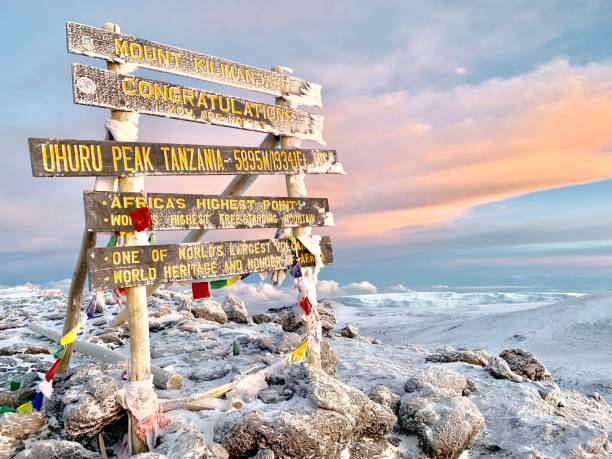
Summit day. We will start our ascent to the summit (19,340ft – 5,896m) around 11:00 PM or midnight the night prior. The goal for you – and numerous other climbers – is to reach the peak right at sunrise. In reality, due to differences in hiking speed, energy, and altitude acclimatization, there is a several hour span where most climbers reach the summit. Using headlamps (bring extra lithium batteries, which last much better in cold dark conditions!) you will ascend 6-7 hours to Gilman’s point, traverse the Crater Rim to Stella Point and then up another 1-2 hours to Uhuru Peak, the summit. After a summit celebration and photo, descend to Barafu camp for lunch and then to Mweka camp to sleep overnight. By advance request we can sleep at Millenium camp instead; this is at ~12,000’ so less descent today, but means more descent tomorrow. Summit 19,341’
Accommodatie
Mweka-kamp
Mweka-parkpoort:
Mweka-parkpoort:
Hoogtepunten van de dag
o We make the final descent to the trailhead today, about 3-5 hours hiking. Here we…
o We maken vandaag de laatste afdaling naar de trailhead, ongeveer 3-5 uur wandelen. Hier zullen we lunchen en afscheid nemen van onze bergploeg voordat we de Kilimanjaro verlaten en terugkeren naar de stad. Aankomst in uw lodge meestal tussen 15.00 en 17.00 uur. Ook deze etappe is gepland met veel aandacht voor loopritme, hoogtebewustzijn, hydratatie, rustpauzes en communicatie met de bergploeg. Je gids houdt het tempo stabiel en legt uit hoe het terrein, het weer en de hoogte van de nacht de volgende dag beïnvloeden. Accommodatie is gepland aan het einde van de trektocht. Maaltijden voor de dag worden vermeld als ontbijt, lunch. Verwachte timing van beweging of activiteit: 3-5 uur. Voordat de volgende dag begint, is er tijd om vragen te stellen, het plan te bevestigen en met vertrouwen aan de route te beginnen.
Accommodatie
Einde van de trektocht
Wat is gedekt
Inbegrepen en uitgesloten
Inbegrepen
- Berggidsen, dragers en koks
- Alle parkkosten en reddingskosten
- Kampeeruitrusting en maaltijden op de berg
- Transfers van en naar de routepoorten
- Accommodatie in Arusha voor en na de klim
Uitgesloten
- Internationale vluchten
- Visumkosten
- Persoonlijke trekkinguitrusting
- Reisverzekering en evacuatiedekking
- Bemanningstips
Routekaart
Zie hoe de safari verloopt
Gast beoordelingen
Wat reizigers zeggen
Veelgestelde vragen over Safari
Vragen die reizigers stellen voordat ze boeken
Waarom kiezen voor het Noordelijke Circuit?
Het biedt extra acclimatisatietijd, weidse landschappen en een rustigere klimervaring dan veel andere routes.
More packages
Related Tanzania safari packages
 Family Favorite
5 dagen
5-daagse Tarangire, Serengeti, Ngorongoro en Lake Manyara Safari
Tarangire, Serengeti, Ngorongoro, Lake Manyara
Plan the 5-Day Tarangire, Serengeti, Ngorongoro and Lake…
 Luxury Circuit
6 dagen
6-daagse onvergetelijke luxe safari in Noord-Tanzania
Arusha, Tarangire, Serengeti, Ngorongoro, Lake Manyara
Plan the 6-Day Memorable Luxury Safari in Northern…
 Best Value
6 dagen
6-daagse beste van Noord-Tanzania-parken Betaalbare safari
Arusha, Tarangire, Serengeti, Ngorongoro, Lake Manyara
Plan the 6-Day Best of Northern Tanzania Parks…
Slimme boekingswizard