What language is spoken in Tanzania? The short answer is that Swahili, also called Kiswahili, is the national language and the language you will hear most often in daily life. English is also widely used in tourism, safari guiding, airports, hotels, national parks, and many official or educational settings. For travelers planning a Tanzania safari, this means communication is usually easy, but learning a few Swahili greetings can make the journey warmer, more respectful, and more memorable.
The Main Languages Spoken in Tanzania
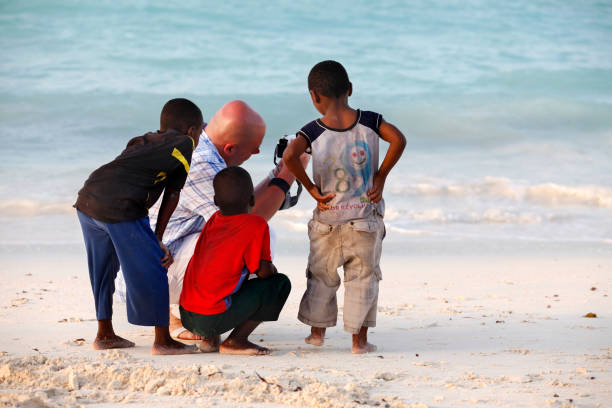
Tanzania is one of Africa’s most culturally rich countries, with more than 120 ethnic communities and many local languages. Swahili is the shared language that helps unite the country from the Indian Ocean coast to the Serengeti plains, from Mount Kilimanjaro to the southern highlands. It is used in markets, transport, radio, politics, community life, and everyday conversation.
English is commonly spoken by safari guides, lodge teams, airport staff, tour consultants, park officials, and people working in the wider travel industry. You do not need to speak Swahili fluently to enjoy a safari with Tanview Safaris, but a few words show courtesy and often open the door to friendlier conversations with guides, lodge staff, and local communities.

Is Swahili the Official Language of Tanzania?
Swahili is Tanzania’s national language and the most important language for everyday public life. It carries a strong sense of identity because it is not tied to only one tribe or region. After independence and the union of Tanganyika and Zanzibar in 1964, Swahili helped strengthen national unity and became one of the most recognizable parts of Tanzanian culture.
For travelers, Swahili is especially useful in greetings, simple questions, polite expressions, and market interactions. Words such as jambo, asante sana, karibu, and pole pole are easy to learn and are heard throughout the country. These words are not only practical; they also help visitors feel the rhythm of Tanzania’s hospitality.
Do People Speak English in Tanzania?
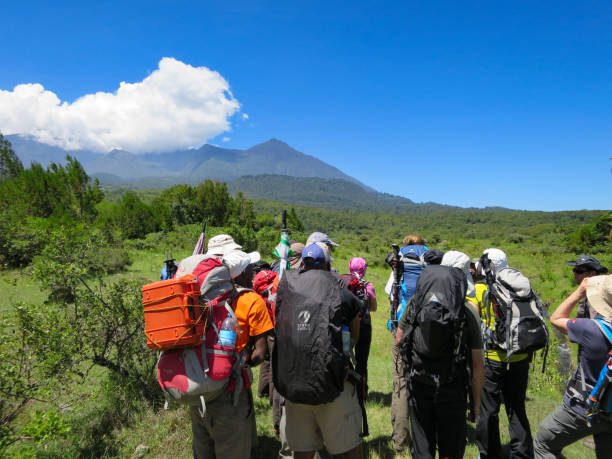
Yes. English is widely spoken in the travel and safari world, especially in Arusha, Moshi, Dar es Salaam, Zanzibar, major hotels, airports, national parks, and safari lodges. Professional safari guides normally use English when explaining wildlife behavior, park rules, daily schedules, routes, safety details, and cultural context.
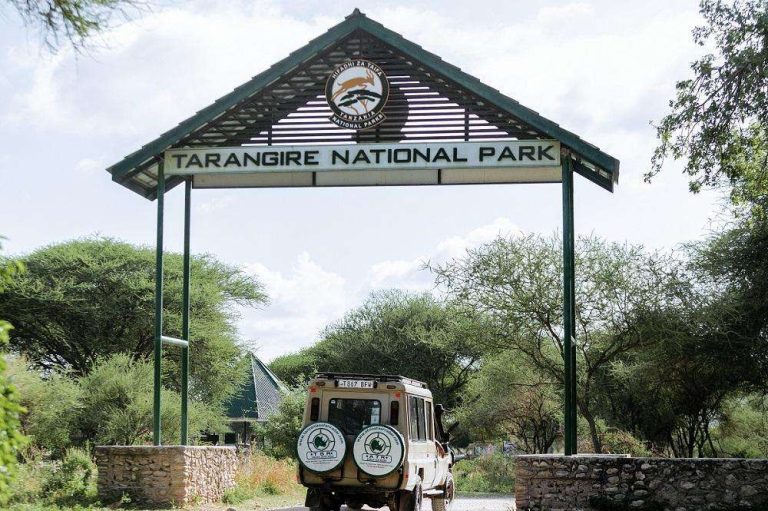
If you are visiting Serengeti National Park, Ngorongoro Crater, Tarangire National Park, Lake Manyara, or Zanzibar, English is usually enough for the main parts of your trip. Some guides and tourism teams may also speak other international languages depending on availability, including Spanish, French, Italian, German, Chinese, or other guest-requested languages. For specialist language requests, it is best to ask before confirming your safari so the right guide can be arranged.
Local and Tribal Languages in Tanzania
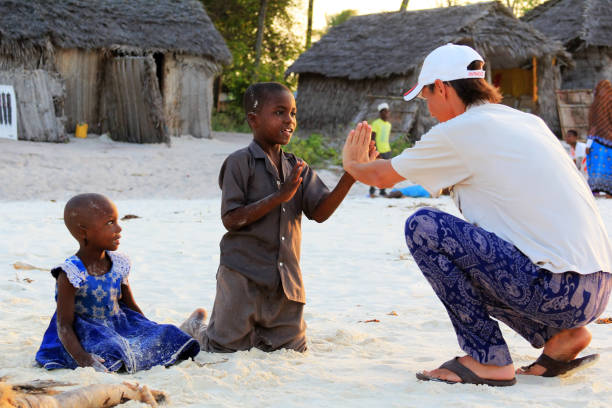
Beyond Swahili and English, Tanzania has many indigenous languages connected to different communities and regions. The Maasai speak Maa, the Sukuma speak Sukuma, the Chagga language is heard around Kilimanjaro, and communities near Lake Eyasi include Hadza and Sandawe speakers. Many Tanzanians are multilingual, often speaking their home language, Swahili, and sometimes English as well.
Travelers may hear Maa during a cultural visit with Maasai communities, Chagga around Kilimanjaro foothill villages, or coastal Swahili expressions in Zanzibar. A respectful guide helps explain the meaning behind greetings, traditions, songs, and local etiquette so visitors do not feel lost or intrusive.

Useful Swahili Words for Safari Travelers
- Jambo means hello.
- Habari means how are things or how are you.
- Nzuri means good.
- Asante sana means thank you very much.
- Karibu means welcome.
- Tafadhali means please.
- Pole pole means slowly or take it easy.
- Safari njema means have a good journey.
These simple phrases are enough to create a friendly first impression. You can use them when meeting your driver-guide, greeting lodge staff, thanking a park ranger, or speaking with people at a local market. Tanzania is known for warmth and courtesy, and even small language efforts are often appreciated.
Will Language Be a Barrier on Safari?
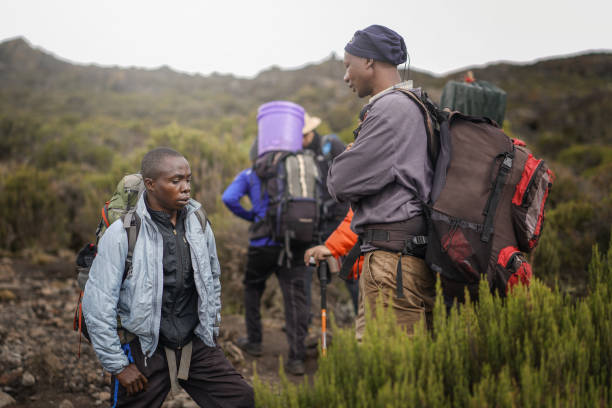
For most international travelers, language is not a serious barrier during a Tanzania safari. A well-organized safari includes airport transfers, lodge coordination, park entry support, route planning, and a professional guide who explains each step clearly. Tanview Safaris helps travelers understand the practical details before arrival, then supports communication throughout the journey.
The moments where Swahili becomes most meaningful are often cultural rather than logistical. Greeting people in their language, saying thank you after a meal, or asking a guide how to pronounce a place name can make the safari feel more human. Language becomes part of the experience, just like landscapes, wildlife, food, and storytelling.
Travel Tips for Respectful Communication
- Start with greetings before asking questions; greetings matter in Tanzanian culture.
- Use English with your safari guide, hotel team, and airport staff when needed.
- Learn a few Swahili words before arrival to make daily interactions warmer.
- Ask before taking photos during cultural visits, especially in villages or markets.
- Let your guide translate during deeper community conversations so meaning is not lost.
Frequently Asked Questions About Languages in Tanzania
What is the official language of Tanzania?
Swahili, or Kiswahili, is the national language and the main language used in everyday public life across Tanzania.
Is English spoken in Tanzania?
Yes. English is widely used in tourism, safari guiding, hotels, airports, national parks, secondary education, and many professional settings.
Can I travel in Tanzania without speaking Swahili?
Yes. Most safari travelers manage comfortably with English, especially when traveling with a professional guide. Learning basic Swahili still improves the experience.
How many languages are spoken in Tanzania?
Tanzania has more than 120 indigenous languages, along with Swahili as the shared national language and English as an important tourism and education language.
What language do safari guides speak?
Most professional safari guides speak English and Swahili. Some guides may speak additional languages depending on training, location, and availability.