If you are asking what is Ngorongoro Conservation Area, the short answer is that it is a vast protected area in northern Tanzania that includes the famous Ngorongoro Crater, highland plains, archaeological sites, wildlife habitats, and living Maasai cultural landscapes. It is one of the most important safari destinations in East Africa because it combines wildlife, scenery, history, and access in one place.
Many travelers casually call it a national park, but the more accurate name is Ngorongoro Conservation Area. That distinction matters because this is not just one crater or one game-drive stop. It is a much larger protected landscape that covers about 8,292 square kilometers according to the official Ngorongoro Conservation Area Authority.
If you want the broad safari overview first, start with our main Ngorongoro Conservation Area guide. This article goes deeper into what the area is, how big it is, where it is, and why it is such a major attraction.
Where Is Ngorongoro Conservation Area?
Ngorongoro Conservation Area is in northern Tanzania and forms part of the famous Northern Circuit safari route. Most visitors reach it from Arusha and combine it with parks such as Tarangire, Lake Manyara, and Serengeti. The location is one of the biggest reasons the area is so popular: it fits naturally into both short and longer safari itineraries.
The best-known feature inside the conservation area is Ngorongoro Crater, but the wider protected landscape also includes places such as Olduvai Gorge, Empakaai Crater, Olmoti Crater, and Nasera Rock. In other words, the crater is the star, but it is not the whole destination.
If you want route details, see Ngorongoro Crater Location: Where Is It and How Do You Get There?.
How Big Is Ngorongoro Conservation Area?
A common search query is how big is Ngorongoro Conservation Area. The official NCAA site states that the conservation area covers 8,292 square kilometers. That makes it much larger than many travelers expect when they only know the crater name.
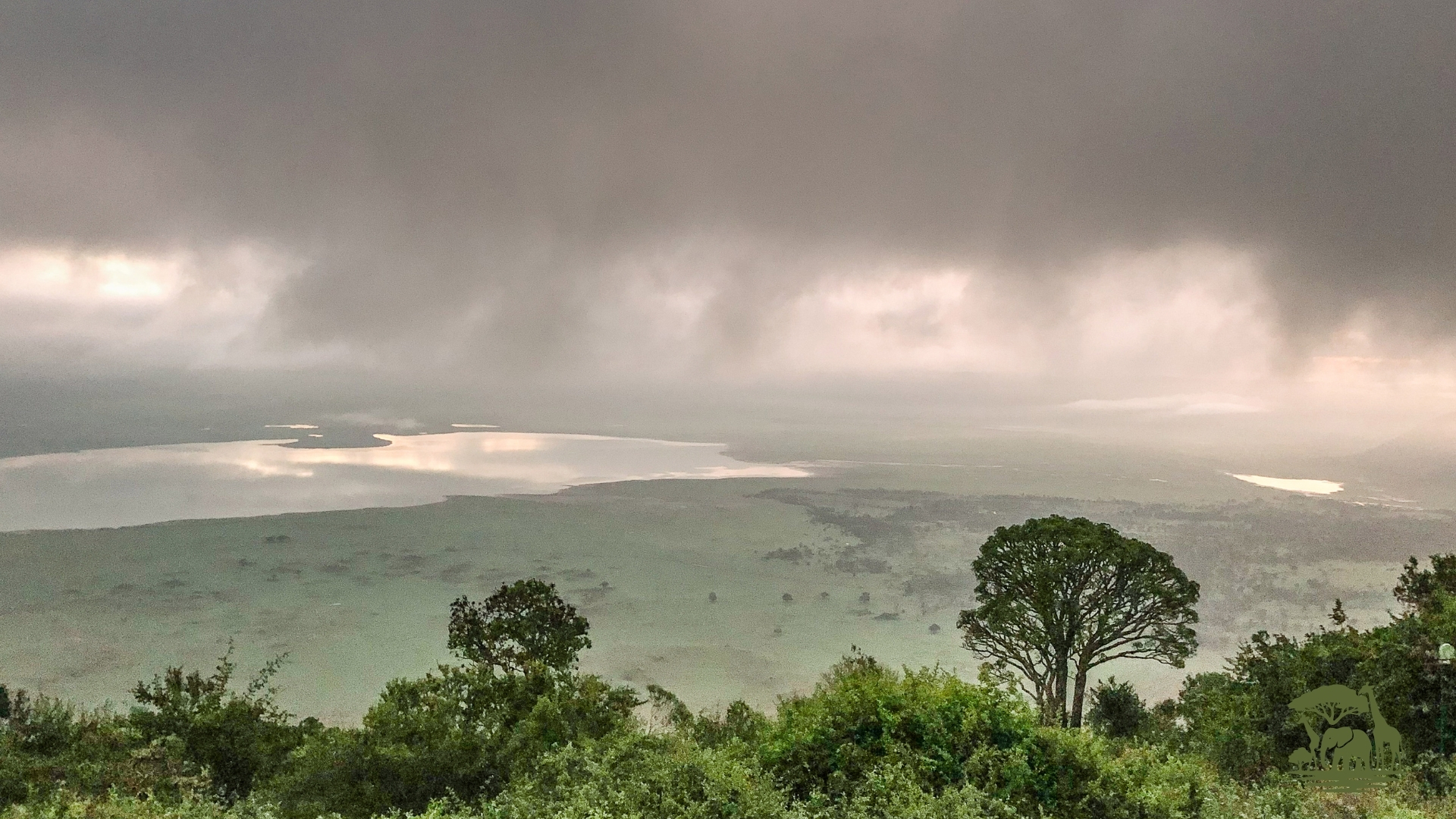
Inside that much bigger landscape, the crater itself is still enormous. The official crater page describes it as an intact volcanic caldera with an area of almost 260 square kilometers, a diameter of about 20 kilometers, and a depth of roughly 610 meters. That is one reason the scenery feels so dramatic even before the wildlife experience begins.
What Makes Ngorongoro Conservation Area So Special?
There are a few reasons this place stands out even in a country as strong for safari travel as Tanzania.
- The crater itself is iconic. It is one of Africa’s most recognizable safari landscapes and one of the easiest places to understand visually, even for first-time visitors.
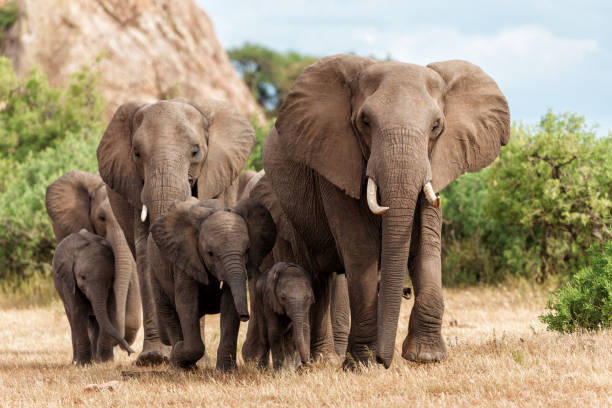
- Wildlife viewing is strong. The official crater page says the area is known for more than 25,000 animals in and around the crater ecosystem, including the Big Five.
- The wider area has depth. Olduvai Gorge and other sites add archaeology, human history, and cultural context that many safari destinations do not have at the same level.
- It fits well into real itineraries. Ngorongoro works for one-day crater visits, multi-day Northern Circuit trips, and higher-end fly-in safaris.
Why Is Ngorongoro Conservation Area a Top Tourist Attraction?
People often search why is Ngorongoro Conservation Area a top tourist attraction, and the answer is not only about wildlife. The area succeeds because it brings together several different types of travel value in one place.
First, the scenery is dramatic and easy to appreciate. Even someone with no safari experience can immediately understand why the crater is famous. Second, wildlife viewing is productive, which gives visitors a good experience even on relatively short trips. Third, the area is practical: it sits on a route that many Tanzania itineraries already use. Finally, it offers more than game viewing alone. The archaeological, geological, and cultural importance of the wider area gives it depth and helps it appeal to a wider range of travelers.
Why Is Ngorongoro Conservation Area Successful?
If you look at the search query why is Ngorongoro crater conservation area successful, the best answer is that the destination works on several levels at once. It is visually memorable, commercially strong, logistically useful, and rich in actual travel substance. The crater gives immediate wow factor, while the wider conservation area gives the destination long-term importance beyond a single game drive.
That is also why Ngorongoro performs so well as both a traveler destination and an SEO topic. It solves real visitor questions: where is it, what is it, how big is it, what animals are there, when should you go, and how much will it cost?
Is Ngorongoro Conservation Area a National Park?
No. Although many searchers use phrases like Ngorongoro Conservation Area national park, the more accurate name is still Ngorongoro Conservation Area. Using the correct term is better for clarity, credibility, and search intent. The crater sits inside the conservation area, but the area itself is not simply another national park label.
What Can You See Besides the Crater?
Travelers who only know the crater often miss how much more the area offers. Depending on your itinerary, you can also explore or learn about:
- Olduvai Gorge and the wider story of human evolution in the region.
- Empakaai Crater and Olmoti Crater for travelers who want a broader highland experience.
- Maasai cultural landscapes that make the area feel different from a purely wildlife-only destination.
- Highland views, forests, plains, and crater-rim scenery that create more visual variety than many one-note safari stops.
Should You Include Ngorongoro in a Tanzania Safari?
For most first-time northern Tanzania travelers, the answer is yes. Ngorongoro fits well into classic safari planning because it combines strong wildlife potential with high scenic value and very good route logic. It also works for different travel styles, from one-day crater descents to private luxury itineraries with crater-rim lodges.
If wildlife is your main interest, continue with Animals in Ngorongoro Crater. If budget matters most, read Ngorongoro Safari Cost in 2026.
Frequently Asked Questions
What is Ngorongoro Conservation Area?
It is a protected landscape in northern Tanzania that includes Ngorongoro Crater, wildlife habitats, archaeological sites, and living cultural areas.
Where is Ngorongoro Conservation Area?
It is in northern Tanzania and is commonly visited from Arusha as part of the Northern Circuit.
How big is Ngorongoro Conservation Area?
The official NCAA site gives the area as about 8,292 square kilometers.
Why is Ngorongoro so famous?
It is famous because of the crater, strong wildlife viewing, dramatic scenery, and the wider cultural and archaeological importance of the area.
Is Ngorongoro Conservation Area worth visiting?
Yes, especially for travelers who want a classic northern Tanzania safari with strong scenery and strong wildlife value in one stop.

Deeper planning notes for What Is Ngorongoro Conservation Area? Size, History & Location
Ngorongoro needs a different explanation from a normal national park because it is a conservation area with wildlife, people, geology, archaeology and regulated tourism in the same wider landscape. The crater is famous because wildlife is concentrated in a dramatic volcanic setting, but the wider conservation area also includes highlands, cultural bomas, walking areas and heritage sites that change how travelers should plan time there.
What Is Ngorongoro Conservation Area? Size, History & Location should answer the questions a traveler is likely to have before speaking to a safari planner: when to go, how many nights to allow, where the experience fits in a route, what can change by season and what trade-offs affect comfort. That is why the post should connect the main idea to real Tanzania logistics instead of staying at headline level.
For a northern Tanzania safari, the most common planning anchors are Serengeti, Ngorongoro, Tarangire, Lake Manyara and Arusha. For coastal or post-safari travel, Zanzibar becomes important because beach recovery, tides, flight timing and hotel location can change the rhythm of the trip. For mountain or culture-focused travel, timing, physical effort and local etiquette become just as important as scenery.
The official Tanzania tourism ecosystem is useful because it separates experiences into wildlife, parks, beaches, culture, adventure and heritage. A traveler reading this post should understand which of those categories the topic belongs to and how it works inside a real itinerary. A private safari is often strongest when the route is built around fewer rushed moves, better game-drive timing and clear expectations for each day.
Official sources used for planning context
These links point to official Tanzania tourism, national park, conservation or heritage sources so the advice is connected to real destination information.
Useful Tanview links
Continue from this guide into related Tanview planning pages so the topic connects naturally with a real safari enquiry.