Tanzania safari planning guide
Safari Safety Tips in Tanzania Guide
Understanding Safari Safety in Tanzania
Safari Safety Tips in Tanzania Images


Quick Safari Highlights
Field Notes and Safari Context
Understanding Safari Safety in Tanzania Safari safety in Tanzania is one of the most important parts of every wildlife adventure because safaris take place in natural environments where wild animals move freely. Although Tanzania is considered one of Africa’s safest and most professional safari destinations, travelers must still follow important safety guidelines to ensure their experience remains comfortable, enjoyable, and secure. Professional safari guides, park authorities, and safari operators work hard to maintain high safety standards throughout national parks, game drives, walking safaris, and safari accommodations. By understanding and respecting safari safety rules, travelers are able to enjoy Tanzania’s incredible wildlife and landscapes with confidence while minimizing risks during their journey.
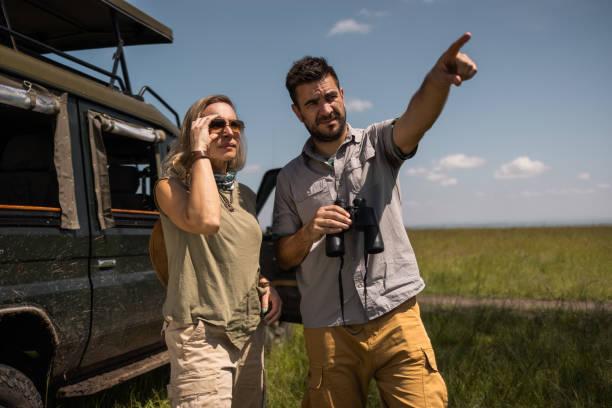
Always Follow Your Safari Guide One of the most important safari safety tips is to always listen carefully to your safari guide. Professional guides in Tanzania are highly trained in wildlife behavior, park safety regulations, and emergency procedures. They understand how animals react in different situations and know how to keep travelers safe during wildlife encounters. Guides will often explain important safety instructions before game drives, walking safaris, or camp activities. Following these instructions at all times is essential because guides are experienced in managing unpredictable wildlife situations safely and professionally. Ignoring guide instructions can place both travelers and wildlife at risk, especially during close animal encounters or while moving around safari camps and lodges. (safaribookings.com)
Stay Inside the Safari Vehicle During game drives in Tanzania’s national parks, travelers should always remain inside the safari vehicle unless the guide specifically says it is safe to exit. Wild animals may appear calm, but they are unpredictable and can react quickly if they feel threatened or disturbed. Safari vehicles are designed to act as safe viewing platforms because animals generally recognize them as non-threatening objects. Standing up suddenly, leaning too far outside, or attempting to approach animals can create dangerous situations. Keeping arms, legs, and personal belongings inside the vehicle helps maintain safety for everyone while allowing wildlife viewing to continue peacefully and responsibly.
Respect Wildlife and Keep Distance A major safari safety rule is to always respect wildlife and maintain a safe distance from animals. Tanzania’s wildlife lives freely in its natural environment, and animals should never be approached too closely or disturbed for photographs. Professional guides know the correct viewing distance for different species and carefully position safari vehicles to allow safe observation without stressing the animals. Travelers should avoid shouting, making sudden movements, or trying to attract animal attention because this can change animal behavior and create unnecessary risks. Respecting wildlife also supports conservation and helps preserve natural animal behavior for future generations of travelers and wildlife enthusiasts.
Safety During Walking Safaris Walking safaris are one of the most exciting safari experiences in Tanzania, but they require extra attention to safety instructions. During walking safaris, travelers are always accompanied by trained guides and armed rangers who monitor wildlife activity and ensure group safety. Guests are usually instructed to walk quietly, remain close together, avoid sudden movements, and follow the guide’s instructions immediately during wildlife encounters. Walking safaris are carefully planned to reduce risk while still providing authentic wilderness experiences. Because of professional guidance and safety procedures, walking safaris remain safe and enjoyable for travelers who follow instructions responsibly. (expertafrica.com)
Camp and Lodge Safety Safari lodges and tented camps in Tanzania are generally very safe, but travelers should still follow camp safety guidelines because wildlife may occasionally move near accommodation areas, especially at night. Many safari camps ask guests not to walk alone after dark and provide escorts between tents and dining areas. This is a normal safari safety procedure and helps prevent unexpected wildlife encounters in low-light conditions. Travelers should also keep tent zippers closed, avoid storing food inside tents, and remain aware of instructions given by camp staff throughout their stay.
Protect Yourself from the Sun and Weather Tanzania’s safari regions can become hot and sunny during daytime game drives, making sun protection very important. Travelers should wear hats, sunglasses, sunscreen, and lightweight clothing to reduce the risk of dehydration and sunburn. Drinking enough water during game drives and safari activities is also essential because long hours outdoors can quickly lead to dehydration, especially during dry seasons. During cooler mornings or evenings, especially in Ngorongoro or higher-altitude areas, warm clothing may also be necessary because temperatures can change significantly throughout the day.
Health and Medical Safety Travelers visiting Tanzania for safari adventures should prepare properly for health and medical safety before arrival. Many travelers consult doctors about vaccinations, malaria prevention, travel insurance, and personal medications before traveling to East Africa. It is also important to carry essential medical supplies such as insect repellent, basic first aid items, personal medications, and any required health documents. Most safari operators also carry emergency communication equipment and basic medical supplies during safari trips. Staying healthy and prepared helps travelers enjoy their safari comfortably and without unnecessary stress. (travelhealthpro.org.uk)
Be Careful Around Water Areas Water areas in Tanzania’s national parks often attract animals such as hippos and crocodiles, which can be dangerous if approached carelessly. Travelers should always remain alert near rivers, lakes, and water crossings and follow guide instructions carefully. Swimming is generally not allowed in natural safari water areas unless specifically approved and supervised by safari staff or lodge management.
Keep Valuables Safe Although safari destinations in Tanzania are generally safe for tourists, travelers should still keep valuables secure during their journey. Important documents, passports, cameras, money, and electronics should be stored safely during transfers and accommodation stays. Using hotel safes or secure luggage storage when available helps reduce the risk of loss or theft during travel.
Responsible and Respectful Behavior Responsible behavior is an important part of safari safety and conservation. Travelers should avoid littering, disturbing wildlife, feeding animals, or damaging natural environments during safari activities. Respecting local communities, park regulations, and conservation rules helps protect Tanzania’s wildlife and ecosystems while ensuring future travelers can enjoy the same incredible safari experiences.
Final Thoughts Safari safety in Tanzania is built on professional guiding, responsible tourism practices, and respect for nature. By following guide instructions, respecting wildlife, staying aware of surroundings, and preparing properly for travel conditions, visitors can enjoy unforgettable safari adventures safely and comfortably. From game drives in Serengeti National Park to walking safaris in remote wilderness areas, Tanzania offers extraordinary wildlife experiences that are both exciting and well-managed for traveler safety. For travelers seeking adventure, nature, and unforgettable African memories, understanding safari safety tips helps create a smooth, responsible, and rewarding safari journey in one of the world’s greatest wildlife destinations.
How Safari Safety Tips in Tanzania Fits Into a Tanzania Safari
Safari Safety Tips in Tanzania matters because a great Tanzania safari is not only a list of sightings. It is a sequence of landscapes, seasons, guide decisions, comfort choices, and small field moments that shape how the journey feels. This Tanzania safari planning guide keeps the supplied notes intact and expands them into practical planning advice for travelers comparing routes, timing, accommodation, photography, and guiding style.
Travelers planning a safari should use this guide to understand tradeoffs before choosing dates, budget, comfort level, and route pace. The best safari is the one that matches the guest’s real expectations, not only the most famous itinerary name.
Best Safari Conditions and Viewing Strategy
Field success depends on timing, patience, and interpretation. Early morning gives cooler light, more movement, and better photography. Late afternoon can be excellent for relaxed behavior and softer color. Midday still has value when guests understand shade, water, thermals, migration pressure, or the comfort rhythm of a longer safari day.
- Travel with a guide who can explain habitat, not only identify the subject.
- Keep binoculars or a camera ready before the vehicle stops.
- Watch behavior first, then confirm details such as shape, markings, tracks, calls, or movement.
- Give sightings time. The best moment often happens after the first quick look.
Planning With Tanview Safaris
Tanview Safaris can shape this topic into a route that matches the traveler’s interest. A wildlife-first guest may want slower game drives and more time in open habitats. A photography guest may prefer flexible mornings and better light. A family may need shorter drive sections, clear meal timing, and guides who explain the bush in a warm, patient way. A premium safari may combine stronger guiding with carefully chosen lodges or tented camps that make the day feel calm instead of rushed.
For a stronger plan, connect this guide with Safari Smart Tours, Tanzania Safari Guide, Birdwatching Guide, and Enquiry Now. Those internal resources help turn research into a route, budget, season choice, and booking conversation.
Responsible Safari Notes
Responsible travel protects the experience that visitors come to see. Keep a respectful distance, avoid pressuring guides to disturb wildlife, never feed animals, and treat sensitive habitats carefully. Ethical viewing also improves the quality of the sighting: relaxed wildlife behaves naturally, photographs look better, and the guide can explain the scene without rushing.
How to Combine This With a Wider Route
Most travelers get the best value when this topic is not treated as a stand-alone idea, but as part of a wider route. A northern Tanzania safari can combine Tarangire, Lake Manyara, Ngorongoro, Serengeti, Arusha, village experiences, waterfalls, cultural stops, and specialist wildlife interests in one smooth plan. The right order matters because it affects drive time, fatigue, photography light, and how naturally the trip builds from arrival to the final day.
When guests contact Tanview Safaris, the most useful details are travel month, number of days, comfort level, special interests, mobility needs, and whether the trip should feel adventurous, quiet, family-friendly, romantic, or photography-led. With those details, the team can recommend which experiences deserve a full day, which work best as a short stop, and which should be avoided in the wrong season.
This is also where honest planning helps most. Some experiences look simple on paper but depend on road condition, recent weather, local access, daylight, and how much energy guests have after previous safari days. A well-built itinerary leaves enough breathing room for the experience to feel memorable instead of squeezed between transfers.
Questions to Ask Before You Travel
- Which park, route, or lodge area gives the strongest chance for this interest?
- How much time should be allowed so the experience does not feel rushed?
- What season gives the best balance of weather, wildlife, cost, and comfort?
- Which guide skills, vehicle setup, and accommodation style will improve the day?
FAQ About Safari Safety Tips in Tanzania
Is Safari Safety Tips in Tanzania useful when planning a Tanzania safari?
Yes. This guide gives travelers a focused way to understand the topic before choosing dates, routes, guiding style, and the pace of the safari.
Can Tanview Safaris include this interest in a custom itinerary?
Yes. Guests can mention this interest during the enquiry stage so the team can suggest suitable parks, timing, lodges, and drive structure.
Does this guide include the supplied PDF information?
Yes. The article uses the supplied notes and images, then adds practical Tanzania safari context so the page is helpful for both readers and search engines.
What should I ask before booking?
Ask about the best season, realistic viewing chances, drive length, guide expertise, photography needs, accommodation style, and how this topic fits with the wider safari route.