Tanzania safari planning guide
Safari Peak Season in Tanzania Guide
Understanding Tanzania’s Safari Peak Season
Safari Peak Season in Tanzania Images


Quick Safari Highlights
Field Notes and Safari Context
Understanding Tanzania’s Safari Peak Season Safari peak season in Tanzania is the most popular and busiest time for wildlife travel, when visitors from all over the world come to experience the country’s famous national parks, rich wildlife, and unforgettable safari landscapes. During this period, Tanzania delivers some of the most reliable and dramatic safari experiences in Africa, with excellent game viewing, dry weather conditions, and major wildlife events such as the Great Wildebeest Migration in Serengeti National Park. Peak season is often considered the “classic safari experience” because it combines clear skies, easier wildlife spotting, active predator-prey interactions, and well-established safari routes across major parks like Serengeti, Ngorongoro Crater, Tarangire, Lake Manyara, Ruaha, and Nyerere National Park. For many travelers, this is the time when Tanzania feels most alive with safari activity, photography opportunities, and unforgettable wildlife encounters.
Why Peak Season is So Popular The main reason Tanzania’s peak season is so popular is because wildlife viewing conditions are at their best. During dry months, animals gather around water sources such as rivers, lakes, and waterholes, making them easier to locate during game drives. Vegetation becomes thinner, which improves visibility across the savannah and bushland. This makes it much easier to spot elephants, lions, giraffes, zebras, buffaloes, leopards, and cheetahs compared to greener seasons when animals may hide in dense vegetation. The combination of dry weather, active wildlife movement, and excellent road conditions creates a highly rewarding safari experience that attracts both first-time travelers and experienced safari enthusiasts.
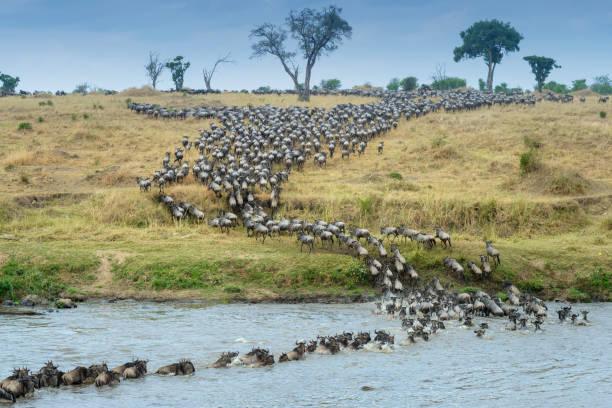
The Great Wildebeest Migration in Peak Season One of the biggest highlights of Tanzania’s peak safari season is the Great Wildebeest Migration in Serengeti National Park. This world-famous natural event involves millions of wildebeest, zebras, and antelopes moving across the Serengeti ecosystem in search of fresh grazing and water. Peak season often overlaps with key migration moments such as river crossings, where large herds attempt to cross dangerous rivers filled with crocodiles while predators wait nearby. These dramatic scenes are among the most iconic wildlife experiences in the world and attract photographers, filmmakers, and safari travelers from every continent. Because migration timing changes throughout the year, peak season offers different experiences depending on the exact month and location within the Serengeti ecosystem.
Weather Conditions During Peak Season Tanzania’s safari peak season is known for its dry, sunny, and stable weather conditions, making it ideal for outdoor wildlife activities. Days are typically warm and bright, while mornings and evenings are cooler and comfortable for game drives. The lack of heavy rainfall means safari roads remain more accessible, allowing travelers to reach remote wildlife areas and enjoy longer game drives without weather interruptions. Clear skies also create beautiful sunrise and sunset views across Tanzania’s iconic landscapes. These stable weather conditions make peak season one of the most reliable times for planning safaris, especially for travelers who want predictable travel conditions.
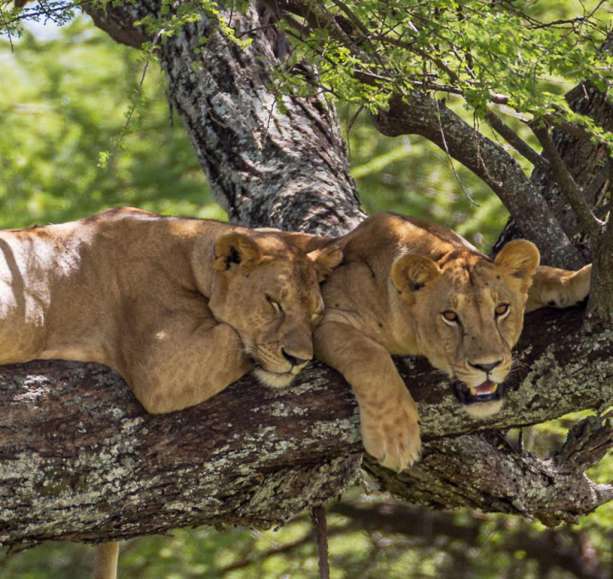
Wildlife Viewing at Its Best Wildlife viewing during peak season is often described as the best in Tanzania because animals are easier to find and observe. Water scarcity in dry months forces wildlife to gather in predictable locations, increasing the chances of seeing multiple species in a single game drive. Large herds of elephants are commonly seen in Tarangire National Park, while Ngorongoro Crater offers dense wildlife populations within a compact area. Serengeti National Park provides endless plains filled with predators and migrating herds, creating some of the most exciting safari moments in Africa. Predator sightings such as lions hunting, cheetahs sprinting, and leopards resting in trees are more frequent and easier to witness during peak safari months.
Photography Opportunities Peak season is also highly popular among wildlife photographers because of the excellent visibility and dramatic wildlife interactions. The dry landscape creates classic African safari scenery with golden grasslands, open horizons, and clear skies. Because animals are more concentrated around water sources, photographers have better chances of capturing action shots, predator behavior, and large herd movements. Early morning and late afternoon light during peak season also creates warm, soft tones that are ideal for photography. However, because peak season is busy, photographers may need to share popular wildlife viewing spots with other safari vehicles, especially around famous sightings.
Accommodation and Safari Demand During peak season, demand for safari lodges, tented camps, and guided tours is very high. Many of Tanzania’s top lodges in Serengeti, Ngorongoro, and Tarangire are fully booked months in advance, especially those located near migration routes or prime wildlife areas. Prices for accommodation and safari packages are generally higher compared to low or green seasons because of high demand and limited availability. Luxury lodges often operate at full capacity, offering premium safari services, fine dining, and exclusive wildlife experiences. Travelers planning peak season safaris are strongly advised to book early to secure preferred accommodations and safari routes.
Crowds and Safari Experience One of the main challenges of peak season is the increased number of tourists in popular safari destinations. Well-known wildlife areas such as Serengeti migration zones or Ngorongoro Crater viewpoints may have multiple safari vehicles at the same sighting. Despite the crowds, Tanzania’s vast national parks are large enough that travelers can still enjoy peaceful and private wildlife experiences, especially when exploring less-visited areas or remote regions of southern Tanzania. Experienced safari guides also help travelers avoid busy areas and find quieter locations for better wildlife viewing.
Best Parks During Peak Season Some parks are especially rewarding during peak season due to wildlife concentration and seasonal movement. Serengeti National Park is the highlight because of the migration and predator activity. Ngorongoro Crater offers consistent wildlife viewing year-round and becomes even more active during dry months. Tarangire National Park is famous for large elephant herds during dry season, while Lake Manyara offers excellent birdlife and scenic landscapes. Southern parks such as Ruaha and Nyerere provide more remote and exclusive safari experiences for travelers seeking fewer crowds. Each park offers a different safari experience, and many travelers combine several destinations for a complete Tanzania safari adventure.
Planning a Peak Season Safari Planning is very important for peak season safaris because of high demand for accommodations, guides, and flights. Travelers are encouraged to book several months in advance to secure the best lodges and safari experiences. It is also important to prepare appropriate safari clothing, travel documents, health requirements, photography equipment, and safari expectations before arrival. Working with professional safari operators ensures smoother logistics, better wildlife opportunities, and well-organized itineraries during busy travel periods.
Final Thoughts Safari peak season in Tanzania offers some of the most exciting and reliable wildlife experiences in Africa, combining excellent game viewing, dry weather, dramatic wildlife interactions, and unforgettable migration events. From Serengeti’s endless plains to Ngorongoro’s wildlife-rich crater and Tarangire’s elephant herds, peak season showcases Tanzania at its most dynamic and spectacular. Although it comes with higher prices and more visitors, the incredible wildlife encounters and consistent safari conditions make peak season one of the most rewarding times to visit Tanzania. For travelers seeking classic African safari experiences, unforgettable wildlife photography, and world-famous natural events like the Great Wildebeest Migration, Tanzania’s peak safari season remains one of the best travel experiences in the world.
How Safari Peak Season in Tanzania Fits Into a Tanzania Safari
Safari Peak Season in Tanzania matters because a great Tanzania safari is not only a list of sightings. It is a sequence of landscapes, seasons, guide decisions, comfort choices, and small field moments that shape how the journey feels. This Tanzania safari planning guide keeps the supplied notes intact and expands them into practical planning advice for travelers comparing routes, timing, accommodation, photography, and guiding style.
Travelers planning a safari should use this guide to understand tradeoffs before choosing dates, budget, comfort level, and route pace. The best safari is the one that matches the guest’s real expectations, not only the most famous itinerary name.
Best Safari Conditions and Viewing Strategy
Field success depends on timing, patience, and interpretation. Early morning gives cooler light, more movement, and better photography. Late afternoon can be excellent for relaxed behavior and softer color. Midday still has value when guests understand shade, water, thermals, migration pressure, or the comfort rhythm of a longer safari day.
- Travel with a guide who can explain habitat, not only identify the subject.
- Keep binoculars or a camera ready before the vehicle stops.
- Watch behavior first, then confirm details such as shape, markings, tracks, calls, or movement.
- Give sightings time. The best moment often happens after the first quick look.
Planning With Tanview Safaris
Tanview Safaris can shape this topic into a route that matches the traveler’s interest. A wildlife-first guest may want slower game drives and more time in open habitats. A photography guest may prefer flexible mornings and better light. A family may need shorter drive sections, clear meal timing, and guides who explain the bush in a warm, patient way. A premium safari may combine stronger guiding with carefully chosen lodges or tented camps that make the day feel calm instead of rushed.
For a stronger plan, connect this guide with Safari Smart Tours, Tanzania Safari Guide, Birdwatching Guide, and Enquiry Now. Those internal resources help turn research into a route, budget, season choice, and booking conversation.
Responsible Safari Notes
Responsible travel protects the experience that visitors come to see. Keep a respectful distance, avoid pressuring guides to disturb wildlife, never feed animals, and treat sensitive habitats carefully. Ethical viewing also improves the quality of the sighting: relaxed wildlife behaves naturally, photographs look better, and the guide can explain the scene without rushing.
How to Combine This With a Wider Route
Most travelers get the best value when this topic is not treated as a stand-alone idea, but as part of a wider route. A northern Tanzania safari can combine Tarangire, Lake Manyara, Ngorongoro, Serengeti, Arusha, village experiences, waterfalls, cultural stops, and specialist wildlife interests in one smooth plan. The right order matters because it affects drive time, fatigue, photography light, and how naturally the trip builds from arrival to the final day.
When guests contact Tanview Safaris, the most useful details are travel month, number of days, comfort level, special interests, mobility needs, and whether the trip should feel adventurous, quiet, family-friendly, romantic, or photography-led. With those details, the team can recommend which experiences deserve a full day, which work best as a short stop, and which should be avoided in the wrong season.
This is also where honest planning helps most. Some experiences look simple on paper but depend on road condition, recent weather, local access, daylight, and how much energy guests have after previous safari days. A well-built itinerary leaves enough breathing room for the experience to feel memorable instead of squeezed between transfers.
Questions to Ask Before You Travel
- Which park, route, or lodge area gives the strongest chance for this interest?
- How much time should be allowed so the experience does not feel rushed?
- What season gives the best balance of weather, wildlife, cost, and comfort?
- Which guide skills, vehicle setup, and accommodation style will improve the day?
FAQ About Safari Peak Season in Tanzania
Is Safari Peak Season in Tanzania useful when planning a Tanzania safari?
Yes. This guide gives travelers a focused way to understand the topic before choosing dates, routes, guiding style, and the pace of the safari.
Can Tanview Safaris include this interest in a custom itinerary?
Yes. Guests can mention this interest during the enquiry stage so the team can suggest suitable parks, timing, lodges, and drive structure.
Does this guide include the supplied PDF information?
Yes. The article uses the supplied notes and images, then adds practical Tanzania safari context so the page is helpful for both readers and search engines.
What should I ask before booking?
Ask about the best season, realistic viewing chances, drive length, guide expertise, photography needs, accommodation style, and how this topic fits with the wider safari route.