Tanzania safari planning guide
Safari for Wheelchair Users in Tanzania Guide
Accessible Safari Experiences in Tanzania
Safari for Wheelchair Users in Tanzania Images
Quick Safari Highlights
Field Notes and Safari Context
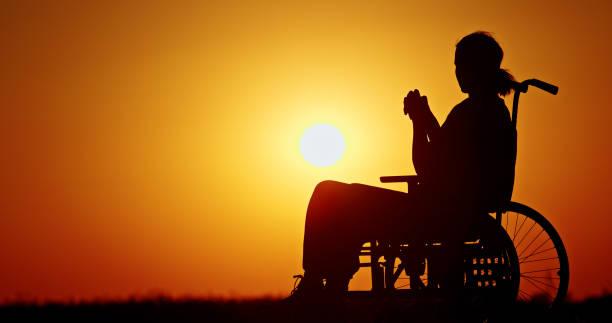
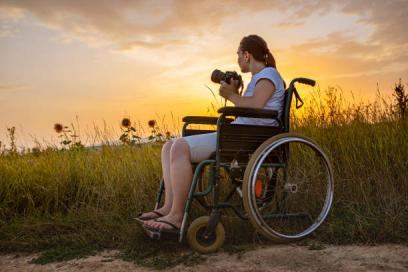
Accessible Safari Experiences in Tanzania A wheelchair accessible safari in Tanzania is absolutely possible and increasingly well- supported, allowing travelers with mobility challenges to enjoy Africa’s incredible wildlife, landscapes, and national parks in comfort and safety. Tanzania has become one of the leading safari destinations in Africa for accessible tourism because many safari operators now offer adapted vehicles, wheelchair-friendly lodges, trained guides, and customized itineraries designed to meet different mobility needs. This means travelers using wheelchairs can still experience iconic destinations like Serengeti National Park, Ngorongoro Crater, Tarangire National Park, and Lake Manyara National Park without missing the beauty and excitement of a real African safari.
Why Tanzania is Suitable for Wheelchair Safaris Tanzania is suitable for wheelchair safaris because the most famous safari circuit in the north is well connected by road, allowing travelers to move between parks without needing complicated travel arrangements or multiple flights. This makes the journey smoother and more comfortable for people with limited mobility. Many safari companies now provide adapted 4×4 vehicles with ramps or lifts, secure wheelchair tie-down systems, and raised seating or viewing positions so travelers can enjoy wildlife sightings at eye level. In addition, selected lodges and tented camps offer step-free access, roll-in showers, wide doorways, and accessible bathrooms, making it easier for wheelchair users to stay comfortably in the middle of the wilderness.
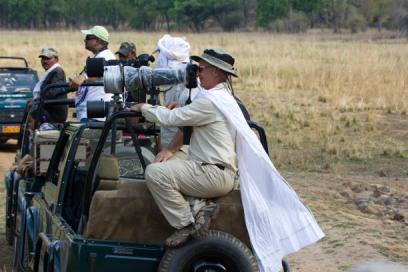
Wheelchair Accessible Safari Experience A typical wheelchair accessible safari in Tanzania is carefully planned around comfort, safety, and enjoyment. Game drives are done in specially modified safari vehicles where travelers can remain in their wheelchair or transfer to a safari seat depending on preference. The safari pace is flexible, meaning stops can be made anytime for wildlife viewing, photography, rest, or scenic moments. Professional guides are trained to assist and ensure safety while explaining wildlife behavior, animal tracks, and the ecosystem in an engaging and accessible way.
Best Parks for Wheelchair Accessible Safaris Some national parks are especially suitable for wheelchair users because of their terrain and wildlife density. Ngorongoro Crater is one of the best destinations because it has a relatively flat crater floor and very high wildlife concentration, allowing easy and rewarding game drives. Tarangire National Park and Lake Manyara are also good choices due to shorter driving distances and rich wildlife viewing opportunities. Serengeti National Park is slightly more extensive but remains fully accessible through adapted vehicles and carefully planned routes.
Comfortable Lodges and Accommodation Accessible safari lodges in Tanzania are designed to ensure comfort and independence. Many accommodations now include ramps, accessible pathways, spacious rooms, and bathrooms designed for wheelchair users. Staff are often trained to provide assistance when needed, and safari camps are selected based on accessibility standards to ensure a smooth experience from arrival to departure.
Safety and Professional Support Safety is a key priority for wheelchair safaris in Tanzania. Professional guides and safari operators ensure that all transfers, game drives, and lodge stays are carefully managed. Vehicles are equipped for secure travel, and itineraries are adjusted based on individual needs, weather conditions, and park terrain. This level of support allows wheelchair travelers to enjoy the safari experience confidently and without stress.
Final Thoughts A wheelchair accessible safari in Tanzania is a powerful and inspiring way to experience Africa’s wildlife and natural beauty without barriers. With adapted vehicles, accessible lodges, expert guides, and well-planned routes, travelers with mobility challenges can fully enjoy unforgettable wildlife encounters in some of the world’s most famous national parks. From the dramatic landscapes of Ngorongoro Crater to the endless plains of the Serengeti, Tanzania proves that safari adventures are for everyone—regardless of mobility. safari vehicle rental
Safari Vehicle Rental in Tanzania
Understanding Safari Vehicle Rental Safari vehicle rental in Tanzania is one of the most important parts of planning a wildlife safari because the vehicle determines comfort, safety, and overall safari experience. Most safaris use strong 4×4 vehicles such as Toyota Land Cruisers or safari vans designed for rough roads, national park terrain, and long-distance travel across destinations like Serengeti, Ngorongoro, Tarangire, and Lake Manyara. Safari vehicles are specially modified with features like pop-up roofs for wildlife viewing, extra space for photography, strong suspension systems, and sometimes refrigeration boxes for drinks. These vehicles are built to handle off-road conditions while giving travelers a clear and elevated view of animals in the wild.
Types of Safari Vehicles There are different types of safari vehicles available in Tanzania depending on budget and travel style. The most common option is the 4×4 Land Cruiser, which is widely used for both private and group safaris because of its durability and comfort. These vehicles are ideal for long game drives and can handle all park terrains easily. Another option is safari vans, which are more affordable but still equipped for wildlife viewing. They are usually used for group safaris and short-distance travel between parks. Some travelers also choose fully equipped safari Land Cruisers with roof hatches, charging ports, and customized seating for photography and comfort during long journeys.
Cost of Safari Vehicle Rental The cost of renting a safari vehicle in Tanzania depends on the type of vehicle, rental duration, and whether it includes a driver-guide. On average, 4×4 safari vehicles such as Land Cruisers cost between about 100 to 250 USD per day depending on quality and specifications. Simpler 4×4 vehicles like RAV4s may cost less, while fully equipped safari Land Cruisers are more expensive due to their comfort and off-road capability. Some companies offer Land Cruiser safari rentals starting from around 120 to 140 USD per day for longer trips, often including unlimited mileage and safari modifications. If a driver-guide is included, this adds extra daily cost, but most travelers prefer this option because guides are experienced in wildlife tracking, park navigation, and safety inside national parks.
Self-Drive vs Guided Safari Vehicles Safari vehicle rental in Tanzania is available in two main options: self-drive and guided safari. Self-drive safaris give travelers more independence and flexibility, allowing them to explore at their own pace. However, they require strong driving experience on rough terrain and knowledge of park rules. Most visitors choose guided safari vehicles with professional driver-guides because it is safer and more convenient. Guides know where to find animals, understand wildlife behavior, and ensure a smoother safari experience without the stress of navigation.
What is Included in Safari Vehicle Rental Most safari vehicle rentals include essential features such as unlimited mileage, spare tires, basic tools, and sometimes insurance coverage. Many safari-ready vehicles also include rooftop tents, camping equipment, and communication radios for remote areas. These features make travel across Tanzania’s national parks easier and more comfortable.
Where Safari Vehicles are Used Safari vehicles are mainly used for exploring Tanzania’s top national parks and conservation areas. This includes Serengeti National Park for the Great Migration, Ngorongoro Crater for dense wildlife viewing, Tarangire National Park for elephants and baobab landscapes, and Lake Manyara National Park for birds and forest wildlife. These vehicles are essential for accessing remote areas where normal cars cannot operate.
Final Thoughts Safari vehicle rental in Tanzania is the foundation of every safari experience because it connects travelers to wildlife, landscapes, and adventure. Whether choosing a private Land Cruiser, a group safari van, or a self-drive 4×4, the right vehicle ensures safety, comfort, and unforgettable wildlife encounters. For travelers planning a safari in Tanzania, choosing a reliable safari vehicle is one of the most important decisions, as it directly shapes the quality and success of the entire safari journey.
How Safari for Wheelchair Users in Tanzania Fits Into a Tanzania Safari
Safari for Wheelchair Users in Tanzania matters because a great Tanzania safari is not only a list of sightings. It is a sequence of landscapes, seasons, guide decisions, comfort choices, and small field moments that shape how the journey feels. This Tanzania safari planning guide keeps the supplied notes intact and expands them into practical planning advice for travelers comparing routes, timing, accommodation, photography, and guiding style.
Travelers planning a safari should use this guide to understand tradeoffs before choosing dates, budget, comfort level, and route pace. The best safari is the one that matches the guest’s real expectations, not only the most famous itinerary name.
Best Safari Conditions and Viewing Strategy
Field success depends on timing, patience, and interpretation. Early morning gives cooler light, more movement, and better photography. Late afternoon can be excellent for relaxed behavior and softer color. Midday still has value when guests understand shade, water, thermals, migration pressure, or the comfort rhythm of a longer safari day.
- Travel with a guide who can explain habitat, not only identify the subject.
- Keep binoculars or a camera ready before the vehicle stops.
- Watch behavior first, then confirm details such as shape, markings, tracks, calls, or movement.
- Give sightings time. The best moment often happens after the first quick look.
Planning With Tanview Safaris
Tanview Safaris can shape this topic into a route that matches the traveler’s interest. A wildlife-first guest may want slower game drives and more time in open habitats. A photography guest may prefer flexible mornings and better light. A family may need shorter drive sections, clear meal timing, and guides who explain the bush in a warm, patient way. A premium safari may combine stronger guiding with carefully chosen lodges or tented camps that make the day feel calm instead of rushed.
For a stronger plan, connect this guide with Safari Smart Tours, Tanzania Safari Guide, Birdwatching Guide, and Enquiry Now. Those internal resources help turn research into a route, budget, season choice, and booking conversation.
Responsible Safari Notes
Responsible travel protects the experience that visitors come to see. Keep a respectful distance, avoid pressuring guides to disturb wildlife, never feed animals, and treat sensitive habitats carefully. Ethical viewing also improves the quality of the sighting: relaxed wildlife behaves naturally, photographs look better, and the guide can explain the scene without rushing.
How to Combine This With a Wider Route
Most travelers get the best value when this topic is not treated as a stand-alone idea, but as part of a wider route. A northern Tanzania safari can combine Tarangire, Lake Manyara, Ngorongoro, Serengeti, Arusha, village experiences, waterfalls, cultural stops, and specialist wildlife interests in one smooth plan. The right order matters because it affects drive time, fatigue, photography light, and how naturally the trip builds from arrival to the final day.
When guests contact Tanview Safaris, the most useful details are travel month, number of days, comfort level, special interests, mobility needs, and whether the trip should feel adventurous, quiet, family-friendly, romantic, or photography-led. With those details, the team can recommend which experiences deserve a full day, which work best as a short stop, and which should be avoided in the wrong season.
This is also where honest planning helps most. Some experiences look simple on paper but depend on road condition, recent weather, local access, daylight, and how much energy guests have after previous safari days. A well-built itinerary leaves enough breathing room for the experience to feel memorable instead of squeezed between transfers.
Questions to Ask Before You Travel
- Which park, route, or lodge area gives the strongest chance for this interest?
- How much time should be allowed so the experience does not feel rushed?
- What season gives the best balance of weather, wildlife, cost, and comfort?
- Which guide skills, vehicle setup, and accommodation style will improve the day?
FAQ About Safari for Wheelchair Users in Tanzania
Is Safari for Wheelchair Users in Tanzania useful when planning a Tanzania safari?
Yes. This guide gives travelers a focused way to understand the topic before choosing dates, routes, guiding style, and the pace of the safari.
Can Tanview Safaris include this interest in a custom itinerary?
Yes. Guests can mention this interest during the enquiry stage so the team can suggest suitable parks, timing, lodges, and drive structure.
Does this guide include the supplied PDF information?
Yes. The article uses the supplied notes and images, then adds practical Tanzania safari context so the page is helpful for both readers and search engines.
What should I ask before booking?
Ask about the best season, realistic viewing chances, drive length, guide expertise, photography needs, accommodation style, and how this topic fits with the wider safari route.