Tanzania safari planning guide
Safari Food and Dining in Tanzania Guide
Discovering Safari Food and Dining Experiences
Safari Food and Dining in Tanzania Images
Quick Safari Highlights
Field Notes and Safari Context
Discovering Safari Food and Dining Experiences Safari food and dining in Tanzania is an important part of the overall safari experience, offering travelers the chance to enjoy delicious meals while surrounded by some of Africa’s most breathtaking landscapes and wildlife areas. Many travelers are surprised by the quality, variety, and creativity of food served during safaris, especially in remote wilderness camps and lodges far from major cities. From traditional Tanzanian dishes to international cuisine, safari dining combines fresh ingredients, hospitality, and unforgettable natural settings to create memorable culinary experiences during every stage of the journey. Whether enjoying breakfast at sunrise in the bush, lunch overlooking the savannah, or dinner under the stars beside a campfire, food becomes an essential part of the safari adventure itself.
Types of Food Served on Safari Safari meals in Tanzania often include a combination of local African flavors and international dishes designed to suit travelers from around the world. Most safari lodges, tented camps, and safari operators serve a variety of meals including grilled meats, fresh vegetables, soups, rice, pasta, salads, fruits, breads, and desserts. Traditional Tanzanian dishes may also be included, giving travelers an opportunity to experience local cuisine and culture during their safari. Popular foods such as nyama choma, pilau rice, chapati, ugali, fresh tropical fruits, and local stews are commonly served in many safari camps and lodges. Luxury safari lodges often provide gourmet dining experiences with professionally prepared multi-course meals, while budget camping safaris usually focus on simpler but satisfying meals prepared by safari cooks or camp chefs. (easytravel.co.tz)
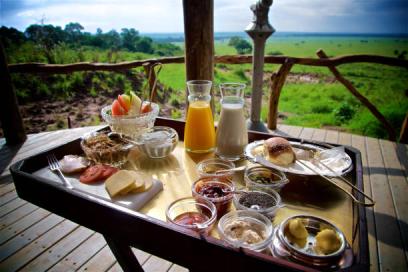
Breakfast on Safari Breakfast is one of the most important meals during a safari because game drives often begin very early in the morning when wildlife is most active. Many travelers wake up before sunrise and enjoy coffee, tea, fresh juice, fruit, eggs, toast, pancakes, sausages, or cereals before departing for morning game drives. Some safaris also include bush breakfasts, where meals are served outdoors in scenic wilderness locations surrounded by nature. Eating breakfast while watching the sunrise over the savannah creates one of the most peaceful and memorable safari experiences for many travelers.
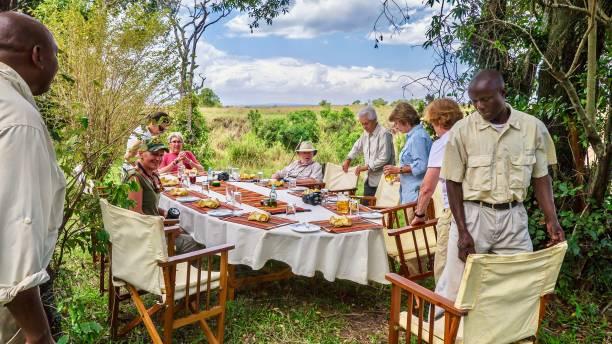
Lunch During Safari Adventures Lunch during a Tanzania safari may be served at safari lodges, picnic sites inside national parks, or outdoor bush settings depending on the itinerary. Packed picnic lunches are common during full-day game drives, especially in parks like Serengeti and Ngorongoro where travelers spend long hours exploring wildlife areas. Picnic lunches often include sandwiches, fruits, chicken, snacks, salads, and drinks prepared by lodges or safari camps. Eating lunch inside national parks while surrounded by wildlife and beautiful landscapes creates a unique dining experience unlike ordinary travel meals. Luxury safaris may also include elegant outdoor lunches with table setups in scenic bush environments, adding extra comfort and exclusivity to the experience.
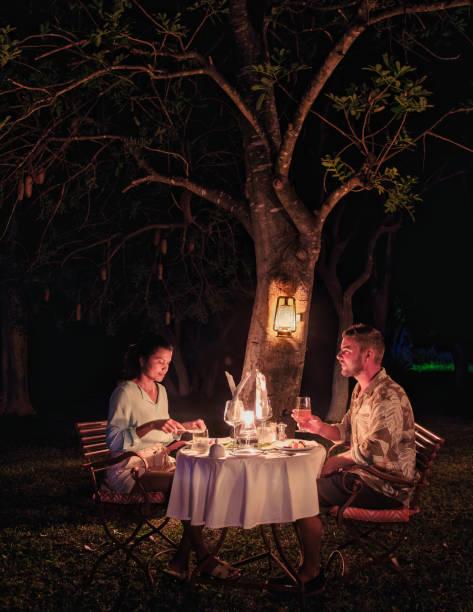
Dinner in the African Wilderness Dinner is often the most atmospheric and memorable meal during a safari in Tanzania. After a long day of wildlife exploration, travelers return to camp or lodge accommodations where freshly prepared dinners are served in dining tents, open-air restaurants, or around campfires. Many safari lodges create romantic and peaceful evening atmospheres with lanterns, candles, fireplaces, and outdoor seating overlooking rivers, plains, or forests. Guests enjoy grilled meats, seafood, soups, vegetables, desserts, and local specialties while sharing stories about the day’s wildlife encounters. Bush dinners under the stars are especially popular during luxury safaris and honeymoon experiences because they create unforgettable romantic moments surrounded by nature.
Traditional Tanzanian Cuisine Safari food in Tanzania often includes opportunities to taste traditional Tanzanian cuisine. Many lodges and camps serve local dishes prepared using fresh ingredients and regional cooking styles. Travelers may enjoy pilau rice flavored with spices, grilled meats known as nyama choma, coconut dishes from coastal regions, fresh vegetables, beans, and local breads such as chapati. Fresh tropical fruits including mangoes, pineapples, bananas, watermelon, and papaya are also widely served because Tanzania has rich agricultural regions that produce excellent fresh produce throughout the year. Experiencing local food allows travelers to connect more deeply with Tanzanian culture and traditions beyond wildlife viewing alone.
Luxury Safari Dining Experiences Luxury safari lodges in Tanzania are internationally recognized for exceptional dining experiences. Many luxury camps employ professional chefs who prepare gourmet meals using fresh local ingredients combined with international culinary techniques. Luxury dining often includes private candlelit dinners, champagne breakfasts, wine pairings, multi-course menus, outdoor dining terraces, and personalized meal services. Some lodges even offer special honeymoon dining experiences, bush cocktails, and sunset dining overlooking wildlife areas. These experiences combine fine dining with the natural beauty of the African wilderness, creating unforgettable moments for couples, families, and luxury travelers.
Camping Safari Meals Even during budget camping safaris, food remains an important part of the experience. Safari cooks traveling with camping groups prepare meals using portable kitchens and fresh ingredients carried throughout the journey. Camping safari meals are usually simple but satisfying, often including soups, rice, pasta, grilled chicken, vegetables, eggs, bread, fruits, tea, and coffee. Travelers are often surprised by the quality of meals prepared in remote wilderness campsites. Sharing meals together around campfires also creates social experiences and friendships among travelers during camping safaris.
Special Dietary Requirements Most safari operators and lodges in Tanzania are able to accommodate special dietary requirements when informed in advance. Vegetarian, vegan, gluten-free, halal, and allergy- sensitive meals are commonly available at many safari accommodations and camps. Luxury lodges especially provide highly personalized dining services designed around guest preferences and dietary needs, ensuring travelers remain comfortable throughout the safari experience.
Dining with Wildlife and Nature One of the most special parts of safari dining is the atmosphere created by nature itself. Meals are often enjoyed while watching elephants near rivers, listening to birdsong, hearing lions in the distance, or observing beautiful African sunsets across open plains. Unlike ordinary restaurants, safari dining becomes part of the adventure because travelers remain connected to the wilderness throughout every meal. This combination of food, scenery, wildlife, and atmosphere creates unforgettable experiences that many visitors remember long after their safari ends.
Final Thoughts Safari food and dining in Tanzania is much more than simply eating meals during travel — it is an important part of the overall safari experience that combines hospitality, culture, nature, and unforgettable moments in the African wilderness. Whether enjoying breakfast at sunrise in the Serengeti, a picnic lunch inside Ngorongoro Crater, or a candlelit dinner under the stars beside a safari campfire, Tanzania offers dining experiences filled with flavor, beauty, comfort, and adventure. For travelers seeking not only extraordinary wildlife but also memorable culinary experiences surrounded by nature, Tanzania safari dining remains one of Africa’s most rewarding travel experiences.
How Safari Food and Dining in Tanzania Fits Into a Tanzania Safari
Safari Food and Dining in Tanzania matters because a great Tanzania safari is not only a list of sightings. It is a sequence of landscapes, seasons, guide decisions, comfort choices, and small field moments that shape how the journey feels. This Tanzania safari planning guide keeps the supplied notes intact and expands them into practical planning advice for travelers comparing routes, timing, accommodation, photography, and guiding style.
Travelers planning a safari should use this guide to understand tradeoffs before choosing dates, budget, comfort level, and route pace. The best safari is the one that matches the guest’s real expectations, not only the most famous itinerary name.
Best Safari Conditions and Viewing Strategy
Field success depends on timing, patience, and interpretation. Early morning gives cooler light, more movement, and better photography. Late afternoon can be excellent for relaxed behavior and softer color. Midday still has value when guests understand shade, water, thermals, migration pressure, or the comfort rhythm of a longer safari day.
- Travel with a guide who can explain habitat, not only identify the subject.
- Keep binoculars or a camera ready before the vehicle stops.
- Watch behavior first, then confirm details such as shape, markings, tracks, calls, or movement.
- Give sightings time. The best moment often happens after the first quick look.
Planning With Tanview Safaris
Tanview Safaris can shape this topic into a route that matches the traveler’s interest. A wildlife-first guest may want slower game drives and more time in open habitats. A photography guest may prefer flexible mornings and better light. A family may need shorter drive sections, clear meal timing, and guides who explain the bush in a warm, patient way. A premium safari may combine stronger guiding with carefully chosen lodges or tented camps that make the day feel calm instead of rushed.
For a stronger plan, connect this guide with Safari Smart Tours, Tanzania Safari Guide, Birdwatching Guide, and Enquiry Now. Those internal resources help turn research into a route, budget, season choice, and booking conversation.
Responsible Safari Notes
Responsible travel protects the experience that visitors come to see. Keep a respectful distance, avoid pressuring guides to disturb wildlife, never feed animals, and treat sensitive habitats carefully. Ethical viewing also improves the quality of the sighting: relaxed wildlife behaves naturally, photographs look better, and the guide can explain the scene without rushing.
How to Combine This With a Wider Route
Most travelers get the best value when this topic is not treated as a stand-alone idea, but as part of a wider route. A northern Tanzania safari can combine Tarangire, Lake Manyara, Ngorongoro, Serengeti, Arusha, village experiences, waterfalls, cultural stops, and specialist wildlife interests in one smooth plan. The right order matters because it affects drive time, fatigue, photography light, and how naturally the trip builds from arrival to the final day.
When guests contact Tanview Safaris, the most useful details are travel month, number of days, comfort level, special interests, mobility needs, and whether the trip should feel adventurous, quiet, family-friendly, romantic, or photography-led. With those details, the team can recommend which experiences deserve a full day, which work best as a short stop, and which should be avoided in the wrong season.
This is also where honest planning helps most. Some experiences look simple on paper but depend on road condition, recent weather, local access, daylight, and how much energy guests have after previous safari days. A well-built itinerary leaves enough breathing room for the experience to feel memorable instead of squeezed between transfers.
Questions to Ask Before You Travel
- Which park, route, or lodge area gives the strongest chance for this interest?
- How much time should be allowed so the experience does not feel rushed?
- What season gives the best balance of weather, wildlife, cost, and comfort?
- Which guide skills, vehicle setup, and accommodation style will improve the day?
FAQ About Safari Food and Dining in Tanzania
Is Safari Food and Dining in Tanzania useful when planning a Tanzania safari?
Yes. This guide gives travelers a focused way to understand the topic before choosing dates, routes, guiding style, and the pace of the safari.
Can Tanview Safaris include this interest in a custom itinerary?
Yes. Guests can mention this interest during the enquiry stage so the team can suggest suitable parks, timing, lodges, and drive structure.
Does this guide include the supplied PDF information?
Yes. The article uses the supplied notes and images, then adds practical Tanzania safari context so the page is helpful for both readers and search engines.
What should I ask before booking?
Ask about the best season, realistic viewing chances, drive length, guide expertise, photography needs, accommodation style, and how this topic fits with the wider safari route.