Tanzania safari planning guide
Safari Camping in Tanzania Guide
Experience the Wild Through Safari Camping
Safari Camping in Tanzania Images
Quick Safari Highlights
Field Notes and Safari Context
Experience the Wild Through Safari Camping Safari camping in Tanzania offers one of the most adventurous, authentic, and unforgettable ways to experience Africa’s incredible wilderness. Unlike staying in hotels or luxury lodges, safari camping allows travelers to sleep closer to nature while surrounded by the sights, sounds, and atmosphere of the African bush. For many travelers, camping creates a deeper connection with the environment because it brings them directly into the heart of Tanzania’s famous safari landscapes. From the endless plains of Serengeti National Park to the wildlife-rich Ngorongoro Conservation Area and the giant baobab landscapes of Tarangire National Park, safari camping allows visitors to experience Tanzania in a raw, exciting, and meaningful way. Many adventure travelers consider camping one of the best ways to fully appreciate the beauty, silence, and wildlife of Africa. (goclimbingkilimanjaro.com)
Why Travelers Choose Safari Camping Many travelers choose safari camping because it creates a stronger sense of adventure and immersion in nature compared to traditional safari accommodation. Sleeping in tents surrounded by wildlife sounds, enjoying meals under the stars, and waking up to sunrise over the savannah creates unforgettable memories that feel far more connected to the wilderness. Safari camping is also popular because it is often more affordable than staying in luxury safari lodges. Budget travelers, backpackers, students, photographers, solo travelers, and adventure seekers frequently choose camping safaris because they provide incredible wildlife experiences while keeping travel costs lower. At the same time, camping safaris also attract experienced travelers who simply enjoy the authenticity and excitement of living closer to nature during their African adventure.
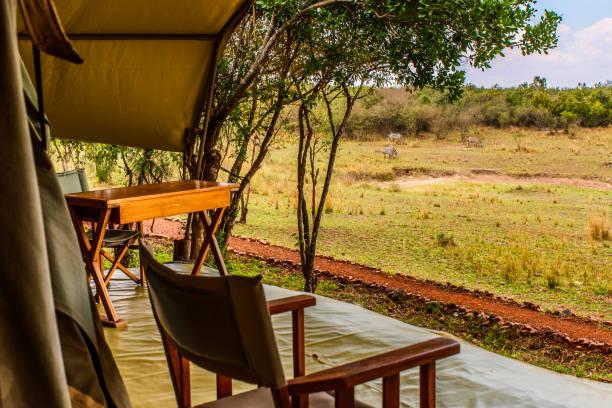
Types of Safari Camping Tanzania offers different types of safari camping experiences depending on comfort level, budget, and travel style. Budget camping safaris usually involve dome tents set up in public campsites inside or near national parks. These safaris are simple, adventurous, and affordable while still providing excellent wildlife access. Mid-range camping often includes larger tents, proper beds, private bathrooms, and improved dining facilities for travelers who want more comfort without losing the camping atmosphere. Luxury camping, often called glamping, combines safari adventure with high-end comfort. Luxury camps provide spacious tents with king-sized beds, private bathrooms, hot showers, elegant interiors, fine dining, and personalized safari services while still maintaining the authentic wilderness atmosphere of camping in nature. (en.wikipedia.org)
Camping in Tanzania’s National Parks Safari camping allows travelers to stay inside or very close to Tanzania’s famous national parks and conservation areas. Serengeti National Park is one of the most popular camping destinations because travelers can experience wildlife activity and migration movements directly from camp areas. Ngorongoro Conservation Area offers breathtaking camping experiences near the crater rim where travelers enjoy cool temperatures, beautiful scenery, and easy access to wildlife viewing. Tarangire National Park is famous for elephant herds and giant baobab trees, while Lake Manyara provides peaceful camping surrounded by forests, birds, and diverse wildlife. Southern Tanzania parks such as Ruaha National Park and Nyerere National Park are also popular for remote wilderness camping with fewer tourists and more untouched natural environments. (goshenisafaris.com)
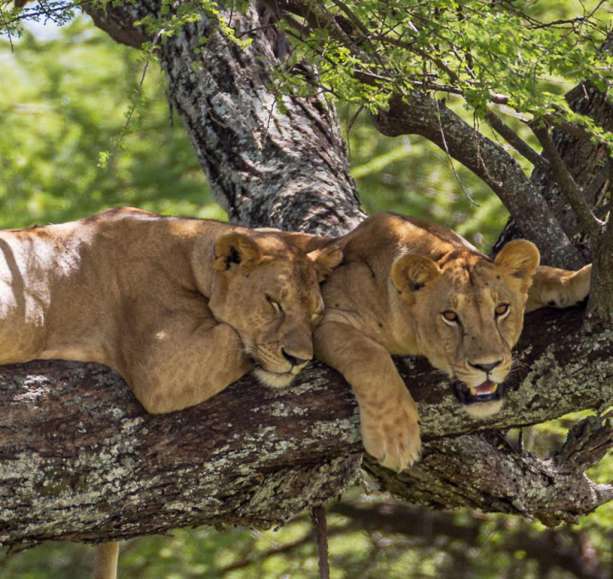
Wildlife Encounters During Camping One of the most exciting parts of safari camping is the opportunity to experience wildlife much more closely than in ordinary accommodations. Campers often hear lions roaring in the distance, hyenas calling during the night, birds singing at sunrise, and animals moving near camp areas. Although wildlife encounters near camps create excitement and adventure, campsites are carefully managed by professional safari guides and park authorities to ensure guest safety at all times. Travelers are usually instructed about camp safety rules and often escorted during nighttime movement within camp areas. These close wildlife experiences create emotional and unforgettable memories that many travelers consider the highlight of their safari journey.
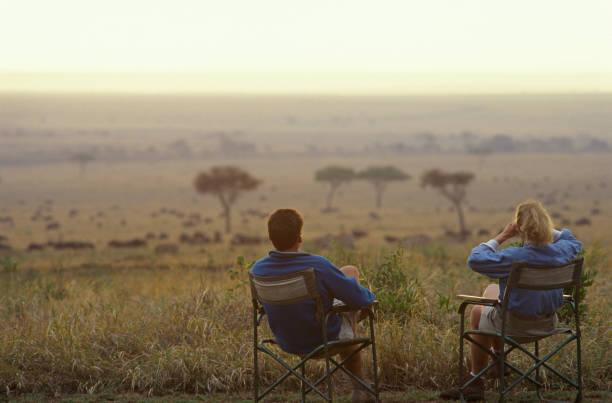
The Daily Camping Safari Experience A typical safari camping day often begins very early in the morning when wildlife is most active. Travelers wake up to fresh air, birdsong, and sunrise views before enjoying breakfast prepared by safari staff or camp cooks. Game drives then take travelers into the national parks where they search for wildlife such as elephants, lions, giraffes, zebras, buffaloes, leopards, and countless bird species. During breaks, travelers enjoy meals surrounded by nature before continuing afternoon wildlife viewing activities. Evenings are especially memorable during camping safaris. Travelers gather around campfires, share safari stories, enjoy dinners under the stars, and listen to the sounds of the African wilderness before sleeping in tents surrounded by nature.
Safari Camping for Families and Groups Safari camping is also popular among families, groups of friends, students, and adventure clubs because it creates strong social experiences and teamwork throughout the safari journey. Families often enjoy the educational value of camping while children experience nature and wildlife in a way that feels exciting and meaningful. Group camping safaris also reduce costs because travelers share transportation, guides, cooking services, and camping equipment, making safari adventures more affordable for larger groups.
Safety and Professional Support Safety is extremely important during safari camping in Tanzania. Professional safari guides, cooks, and camp staff ensure travelers remain safe, comfortable, and well-supported throughout the experience. Guides are trained in wildlife behavior, wilderness safety, first aid, and national park regulations. Campsites are chosen carefully, and travelers receive instructions about how to behave safely around wildlife and within camp areas. Because of this professional support, even first-time campers can enjoy the adventure with confidence and peace of mind.
Photography and Nature Experiences Safari camping is especially rewarding for photographers and nature lovers because it provides direct access to beautiful landscapes and wildlife during sunrise, sunset, and nighttime hours. The camping atmosphere allows travelers to appreciate details such as animal tracks, bird calls, stars, and natural sounds that are often missed during standard hotel-based safaris. Photographers often enjoy dramatic lighting conditions, peaceful landscapes, and authentic wilderness moments that create powerful and emotional images.
Affordable Adventure Travel Another major advantage of safari camping is affordability. Compared to luxury lodge safaris, camping safaris allow travelers to experience Tanzania’s incredible wildlife and national parks at much lower costs. This makes safari travel accessible to younger travelers, students, backpackers, and budget-conscious visitors who still want unforgettable wildlife adventures. Despite the lower price, camping safaris still provide extraordinary wildlife encounters and authentic safari experiences that many travelers consider even more rewarding than luxury travel.
Final Thoughts Safari camping in Tanzania offers one of the most authentic, adventurous, and unforgettable ways to experience Africa’s wilderness. It combines wildlife, nature, adventure, and personal connection with the environment in a way few travel experiences can match. Whether camping in the Serengeti during the Great Migration, sleeping near the Ngorongoro Crater, or exploring remote southern wilderness parks, safari camping creates memories filled with excitement, discovery, peace, and adventure. For travelers seeking authenticity, affordability, and a true connection with nature, Tanzania safari camping remains one of Africa’s greatest outdoor experiences.
How Safari Camping in Tanzania Fits Into a Tanzania Safari
Safari Camping in Tanzania matters because a great Tanzania safari is not only a list of sightings. It is a sequence of landscapes, seasons, guide decisions, comfort choices, and small field moments that shape how the journey feels. This Tanzania safari planning guide keeps the supplied notes intact and expands them into practical planning advice for travelers comparing routes, timing, accommodation, photography, and guiding style.
Travelers planning a safari should use this guide to understand tradeoffs before choosing dates, budget, comfort level, and route pace. The best safari is the one that matches the guest’s real expectations, not only the most famous itinerary name.
Best Safari Conditions and Viewing Strategy
Field success depends on timing, patience, and interpretation. Early morning gives cooler light, more movement, and better photography. Late afternoon can be excellent for relaxed behavior and softer color. Midday still has value when guests understand shade, water, thermals, migration pressure, or the comfort rhythm of a longer safari day.
- Travel with a guide who can explain habitat, not only identify the subject.
- Keep binoculars or a camera ready before the vehicle stops.
- Watch behavior first, then confirm details such as shape, markings, tracks, calls, or movement.
- Give sightings time. The best moment often happens after the first quick look.
Planning With Tanview Safaris
Tanview Safaris can shape this topic into a route that matches the traveler’s interest. A wildlife-first guest may want slower game drives and more time in open habitats. A photography guest may prefer flexible mornings and better light. A family may need shorter drive sections, clear meal timing, and guides who explain the bush in a warm, patient way. A premium safari may combine stronger guiding with carefully chosen lodges or tented camps that make the day feel calm instead of rushed.
For a stronger plan, connect this guide with Safari Smart Tours, Tanzania Safari Guide, Birdwatching Guide, and Enquiry Now. Those internal resources help turn research into a route, budget, season choice, and booking conversation.
Responsible Safari Notes
Responsible travel protects the experience that visitors come to see. Keep a respectful distance, avoid pressuring guides to disturb wildlife, never feed animals, and treat sensitive habitats carefully. Ethical viewing also improves the quality of the sighting: relaxed wildlife behaves naturally, photographs look better, and the guide can explain the scene without rushing.
How to Combine This With a Wider Route
Most travelers get the best value when this topic is not treated as a stand-alone idea, but as part of a wider route. A northern Tanzania safari can combine Tarangire, Lake Manyara, Ngorongoro, Serengeti, Arusha, village experiences, waterfalls, cultural stops, and specialist wildlife interests in one smooth plan. The right order matters because it affects drive time, fatigue, photography light, and how naturally the trip builds from arrival to the final day.
When guests contact Tanview Safaris, the most useful details are travel month, number of days, comfort level, special interests, mobility needs, and whether the trip should feel adventurous, quiet, family-friendly, romantic, or photography-led. With those details, the team can recommend which experiences deserve a full day, which work best as a short stop, and which should be avoided in the wrong season.
This is also where honest planning helps most. Some experiences look simple on paper but depend on road condition, recent weather, local access, daylight, and how much energy guests have after previous safari days. A well-built itinerary leaves enough breathing room for the experience to feel memorable instead of squeezed between transfers.
Questions to Ask Before You Travel
- Which park, route, or lodge area gives the strongest chance for this interest?
- How much time should be allowed so the experience does not feel rushed?
- What season gives the best balance of weather, wildlife, cost, and comfort?
- Which guide skills, vehicle setup, and accommodation style will improve the day?
FAQ About Safari Camping in Tanzania
Is Safari Camping in Tanzania useful when planning a Tanzania safari?
Yes. This guide gives travelers a focused way to understand the topic before choosing dates, routes, guiding style, and the pace of the safari.
Can Tanview Safaris include this interest in a custom itinerary?
Yes. Guests can mention this interest during the enquiry stage so the team can suggest suitable parks, timing, lodges, and drive structure.
Does this guide include the supplied PDF information?
Yes. The article uses the supplied notes and images, then adds practical Tanzania safari context so the page is helpful for both readers and search engines.
What should I ask before booking?
Ask about the best season, realistic viewing chances, drive length, guide expertise, photography needs, accommodation style, and how this topic fits with the wider safari route.