Ngorongoro Crater is a focused Tanview Safaris planning guide built from the provided destination source material and shaped for travelers comparing Tanzania routes, wildlife expectations, timing, comfort, and real safari logistics. This article keeps the public page clean, uses normal WordPress content blocks only, and gives Google a clear, indexable guide around the keyphrase Ngorongoro Crater.

Why Ngorongoro Crater Matters for Tanzania Safari Planning
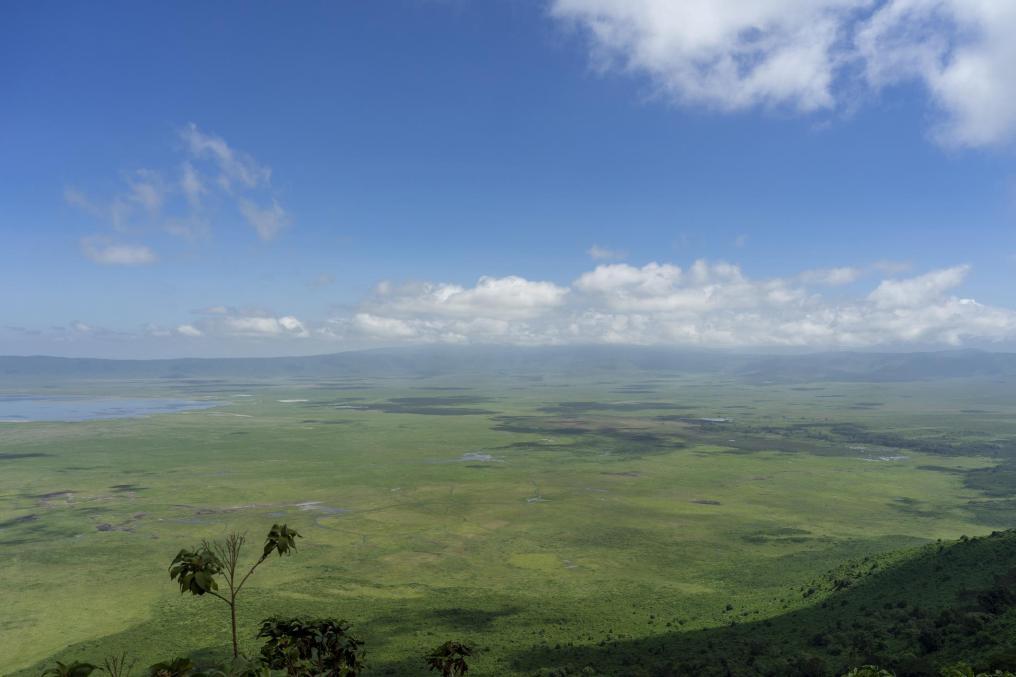
Ngorongoro Crater Africa’s Natural Wonder in Northern Tanzania The Ngorongoro Crater is one of the most famous wildlife destinations in Africa and one of the world’s largest intact volcanic calderas. Located within the Ngorongoro Conservation Area in northern Tanzania, the crater is internationally known for its spectacular scenery, dense wildlife populations, and unique ecosystem.
For Tanview Safaris guests, the value is practical clarity. A good safari plan does not simply name famous places; it connects distance, season, wildlife behavior, accommodation style, guiding rhythm, and budget into one route that feels natural from the first pickup to the final transfer. Ngorongoro Crater deserves that kind of explanation because it can shape how many nights to allocate, which parks to combine, and whether a private vehicle, lodge safari, family plan, honeymoon route, or photographic journey makes the most sense.
What the Source Material Highlights
Often called “Africa’s Garden of Eden,” the Ngorongoro Crater offers one of the best safari experiences in the world because of its extraordinary concentration of animals within a relatively small area. Formation of the Ngorongoro Crater The Ngorongoro Crater was formed millions of years ago when a giant volcano erupted and collapsed inward.
Location of the Crater The crater is located within: The Ngorongoro Conservation Area Northern Tanzania Near Serengeti National Park It lies along the Great Rift Valley system and forms part of the greater Serengeti ecosystem. The crater is easily accessible from: Arusha Lake Manyara Serengeti safari routes Wildlife in the Ngorongoro Crater The Ngorongoro Crater is famous for having one of the highest wildlife densities in Africa.
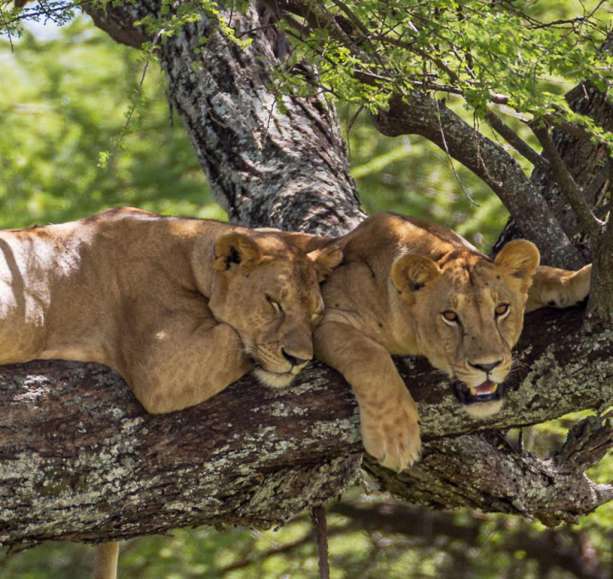
Animals commonly seen include: Lions Elephants Black rhinos Buffaloes Hyenas Zebras Wildebeest Gazelles Hippos The crater is one of the best places in East Africa to see the endangered black rhinoceros. Predators of Ngorongoro Crater The crater supports a strong predator population.
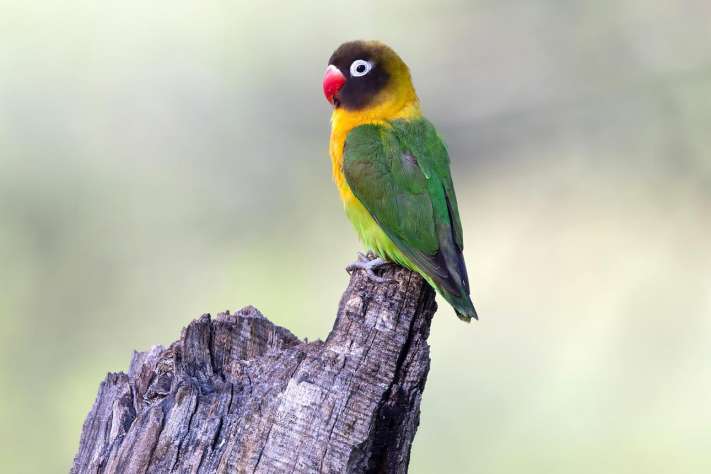
Major predators include: Lions Hyenas Leopards (less commonly seen) Cheetahs in surrounding plains Predator-prey interactions are common because herbivore populations are concentrated in the crater floor. Birdlife of the Crater The crater is also rich in bird species.
The source notes point toward the same planning principle Tanview uses across northern and southern Tanzania: travelers should understand not only what they may see, but also why the place behaves the way it does. Rivers, forests, crater walls, open plains, dry-season water, escarpments, conservation areas, local communities, and road access all affect the safari day. When these details are explained before travel, guests arrive with better expectations and enjoy the journey with more confidence.
Best Time to Visit and Seasonal Expectations
The best time for Ngorongoro Crater depends on the exact wildlife goal and the comfort level of the traveler. Dry months often make animal movement easier to read because water becomes more important, grass is shorter in many areas, and game drives can feel more predictable. Green-season months can be beautiful for photography, birding, fewer vehicles, dramatic skies, and softer prices in selected lodges. Neither season is automatically better for every visitor; the right answer depends on whether the priority is big wildlife density, scenery, quietness, value, or a special interest such as birds, culture, walking, or conservation.
For a polished itinerary, Tanview normally balances the headline destination with supporting experiences nearby. That can mean pairing a crater day with a slower lodge evening, adding Tarangire when elephant movement is strong, including Lake Manyara for Rift Valley scenery, using Arusha National Park for a soft arrival day, or extending to quieter parks when the traveler wants a more remote feeling. The result is a safari that reads well online and works well on the ground.
How to Fit Ngorongoro Crater into a Safari Route
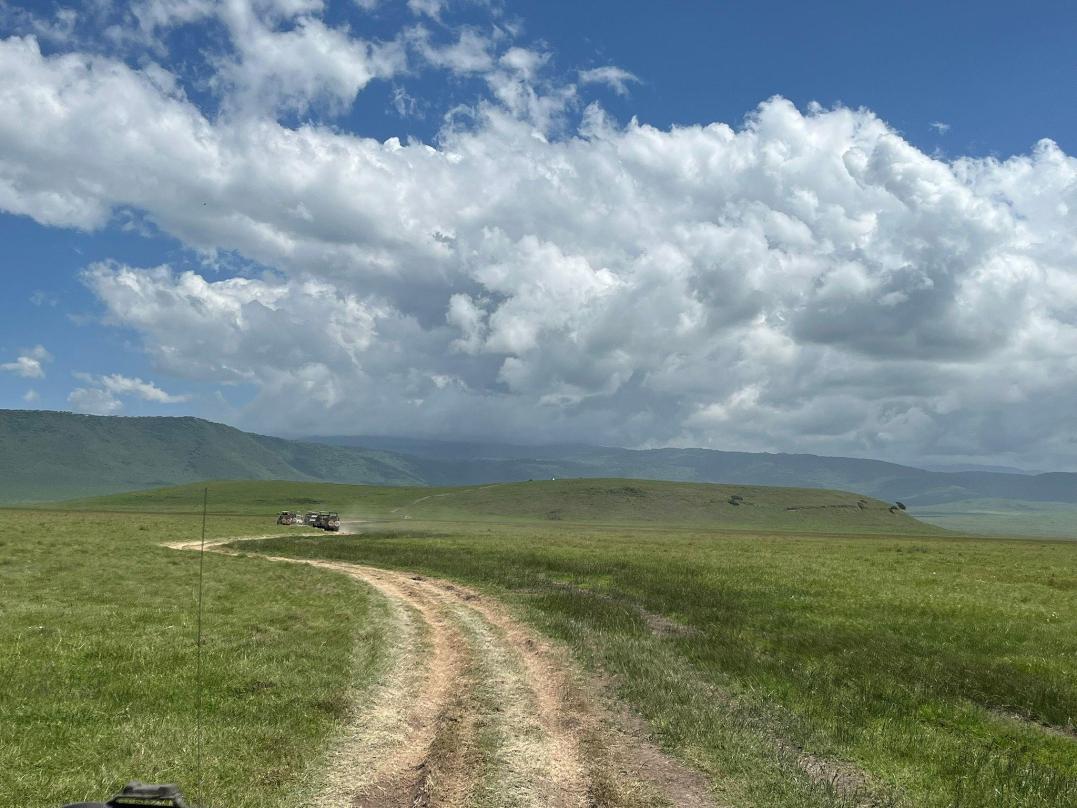
Most travelers should think about route flow before they think about individual sightings. A route that looks exciting on a map can become tiring if it forces long transfers at the wrong time of day or leaves too little daylight for game viewing. Ngorongoro Crater should be placed where it improves the rhythm of the journey. That means protecting early starts, choosing realistic lodge locations, and allowing enough time for gates, picnic stops, photography, and unplanned wildlife moments.
- Use a private safari vehicle when timing, photography, family comfort, or flexible pacing matters.
- Keep the first and last safari days realistic around airport transfers and road conditions.
- Choose accommodation by location and guiding value, not only by room style.
- Combine famous highlights with quieter stops so the trip feels personal.
- Ask Tanview Safaris to align the route with season, budget, fitness, and travel style.
Wildlife, Landscape, and Guest Experience
A strong safari guide should prepare travelers for the full experience, not just a checklist. Wildlife sightings depend on patience, guide knowledge, weather, light, and how animals use the landscape that day. Some days are dramatic and fast; others reward quiet observation. The best guests stay curious, listen to their guide, and understand that Tanzania’s strength is not only the possibility of famous animals but the feeling of being inside a living ecosystem.
Ngorongoro Crater also works as a search topic because it answers real booking questions. Visitors want to know whether the place is worth adding, how it compares with better-known parks, what kind of traveler enjoys it most, and how it affects total safari cost. This guide is written to meet those questions directly while encouraging readers to move from research into a clear enquiry.
Planning Tips from Tanview Safaris
Tanview Safaris recommends planning Ngorongoro Crater around purpose. Honeymoon travelers may want privacy, pace, and memorable scenery. Families often need reliable driving times, flexible stops, and guides who can keep children engaged. Photographers care about light, vehicle positioning, and time in the field. Budget travelers need a smart balance between park fees, vehicle cost, accommodation, and route efficiency. Luxury travelers usually want fewer compromises, stronger locations, and quieter evenings after game drives.
The most helpful next step is to share your travel month, group size, arrival airport, preferred comfort level, and must-see experiences. From there, Tanview can recommend whether Ngorongoro Crater should be the center of the safari, a supporting stop, or part of a wider route with Serengeti, Ngorongoro, Tarangire, Lake Manyara, Lake Natron, Arusha, Mkomazi, Ruaha, Nyerere, Mahale, Gombe, or Zanzibar.
Related Tanzania Safari Links
- Tanzania safari packages
- custom safari enquiry
- Tanzania safari accommodations
- 7 day Tanzania safari itinerary
- Ngorongoro safari planning
Frequently Asked Questions About Ngorongoro Crater
Is Ngorongoro Crater worth including in a Tanzania safari?
Yes, Ngorongoro Crater can be worth including when it supports your route, season, budget, and wildlife goals. It is best planned with a realistic understanding of travel time, accommodation location, and how it combines with nearby parks or experiences.
How many days should I allow?
Many travelers can include the experience within one focused safari day, while deeper routes may need two or more nights depending on distance, lodge choice, and whether the trip includes photography, walking, cultural visits, or slower luxury pacing.
Can Tanview Safaris customize this route?
Yes. Tanview Safaris can customize the route around arrival airport, travel dates, comfort level, budget, wildlife priorities, family needs, honeymoon style, private guiding, and Zanzibar extensions.