Direct answer: NCAA tariffs are the official Ngorongoro Conservation Area Authority charges used to calculate entry permits, crater service fees, vehicle charges, camping, and other regulated costs. For travelers, these official fees are only one part of the total Ngorongoro safari price because accommodation, guide, vehicle, meals, transfers, and operator services are separate.
This guide summarizes the main Ngorongoro fee categories travelers usually ask about in 2026 and explains how to read them when comparing safari quotes.
Important note before you budget
Official tariffs can change, and some charges depend on residency, vehicle type, age, itinerary, and overnight location. Use this article as a practical planning guide, then confirm the latest official fees with your operator or the Ngorongoro Conservation Area Authority before final payment.
Main NCAA tariff categories
| Fee category | What it means | Why travelers notice it |
|---|---|---|
| Entry permit | Per-person access fee for the conservation area | Usually applies to each traveler by age/residency category. |
| Crater service fee | Charge for descending into Ngorongoro Crater | Often the biggest extra line item for a crater day. |
| Vehicle permit | Fee based on vehicle category or registration | Affects private safari cost calculations. |
| Camping or concession-related fees | Charges tied to where the itinerary sleeps | Can change total cost by route and accommodation style. |
Official fees vs total safari cost
NCAA tariffs do not equal the full safari price. A complete safari quote may also include a private 4×4 vehicle, professional driver-guide, fuel, meals, lodge or tented camp accommodation, airport transfers, domestic flights, taxes, and planning support.
Example budgeting logic
If two international travelers visit Ngorongoro Crater in a private vehicle, the quote may include per-person conservation fees, crater descent fees, vehicle-related charges, accommodation, meals, and the guide/vehicle day rate. This is why two quotes can differ even when both mention the same official tariffs.
How to compare safari quotes
- Ask whether Ngorongoro entry fees are included.
- Ask whether the crater service fee is included if your itinerary descends into the crater.
- Check whether the quote includes vehicle, guide, fuel, accommodation, and meals.
- Confirm whether fees are quoted for non-residents, residents, or citizens.
Featured snippet answer
NCAA tariffs are the official Ngorongoro Conservation Area Authority fee schedule for entry permits, crater service fees, vehicle permits, and other regulated charges. They help calculate safari costs, but they are not the full safari price because lodges, vehicles, guides, meals, and transfers are separate.
Frequently asked questions
What are NCAA tariffs?
NCAA tariffs are official fees set by the Ngorongoro Conservation Area Authority for entry, crater access, vehicles, camping, and related conservation area services.
Are NCAA tariffs the same as the total safari cost?
No. NCAA tariffs are only official conservation and access fees. Total safari cost also includes transport, guide, accommodation, meals, and operator services.
Why is the Ngorongoro crater service fee important?
The crater service fee is important because it applies when a safari descends into Ngorongoro Crater and can meaningfully affect the final quote.
Can NCAA tariffs change?
Yes. Official fees can change, so travelers should confirm the latest tariff schedule before booking or paying a final balance.
Related Tanzania guides
Plan your trip with Tanview Safaris
If you want a Ngorongoro quote that separates official fees from the rest of the safari cost, send Tanview Safaris an enquiry with your dates, group size, and comfort level.

Deeper planning notes for NCAA Tariffs 2026: Ngorongoro Entry Fees and Crater Charges Explained
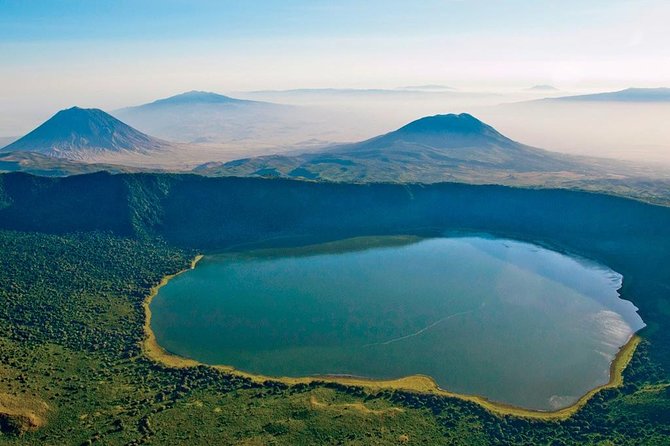
Ngorongoro needs a different explanation from a normal national park because it is a conservation area with wildlife, people, geology, archaeology and regulated tourism in the same wider landscape. The crater is famous because wildlife is concentrated in a dramatic volcanic setting, but the wider conservation area also includes highlands, cultural bomas, walking areas and heritage sites that change how travelers should plan time there.
NCAA Tariffs 2026: Ngorongoro Entry Fees and Crater Charges Explained should answer the questions a traveler is likely to have before speaking to a safari planner: when to go, how many nights to allow, where the experience fits in a route, what can change by season and what trade-offs affect comfort. That is why the post should connect the main idea to real Tanzania logistics instead of staying at headline level.
For a northern Tanzania safari, the most common planning anchors are Serengeti, Ngorongoro, Tarangire, Lake Manyara and Arusha. For coastal or post-safari travel, Zanzibar becomes important because beach recovery, tides, flight timing and hotel location can change the rhythm of the trip. For mountain or culture-focused travel, timing, physical effort and local etiquette become just as important as scenery.
The official Tanzania tourism ecosystem is useful because it separates experiences into wildlife, parks, beaches, culture, adventure and heritage. A traveler reading this post should understand which of those categories the topic belongs to and how it works inside a real itinerary. A private safari is often strongest when the route is built around fewer rushed moves, better game-drive timing and clear expectations for each day.
Season is also important. Dry months usually make wildlife easier to read around water sources and open roads, while green months can bring softer scenery, young animals, birding interest and fewer vehicles in some areas. Migration-focused posts need month-by-month thinking; Zanzibar posts need coast and weather thinking; Kilimanjaro posts need altitude and acclimatization thinking. The right answer depends on the travel goal, not a single generic best month.
Accommodation level changes the experience as much as the park list. Budget, mid-range and luxury safaris can visit similar areas, but they differ in location, guiding rhythm, meal style, privacy, transfer pressure and the amount of recovery time after long drives. A strong itinerary protects the best hours of the day for wildlife, avoids unnecessary backtracking and gives guests enough time to enjoy the places they paid to reach.
For families, honeymooners and first-time visitors, the most valuable advice is often about pacing. One more park is not always better if it creates a rushed route. A slower plan with stronger guiding, better lodge placement and enough rest can feel more premium than a longer checklist. The same principle applies to Zanzibar: choosing the right coast and number of nights matters more than simply adding the island at the end.
Responsible travel should also be part of the decision. Protected areas in Tanzania are managed through official park and conservation systems, and visitors should respect rules around wildlife distance, off-road driving, drones, waste, cultural photography and community interaction. Good safari planning helps travelers enjoy the destination while supporting the long-term value of the parks, conservation areas and local communities that make the journey possible.
Use this post as a planning starting point, then match the advice to your month of travel, group size, budget level and preferred pace. Tanview Safaris can turn the topic into a practical route by checking current access, lodge availability, flight logic and how the experience connects with the rest of your Tanzania safari.
Official sources used for planning context
These links point to official Tanzania tourism, national park, conservation or heritage sources so the advice is connected to real destination information.
Useful Tanview links
Continue from this guide into related Tanview planning pages so the topic connects naturally with a real safari enquiry.