Tanzania destination guide
Lake Manyara Flamingos Guide
The Pink Shores of Tanzania’s Rift Valley Lake
Lake Manyara Flamingos Images
Quick Safari Highlights
Field Notes and Safari Context
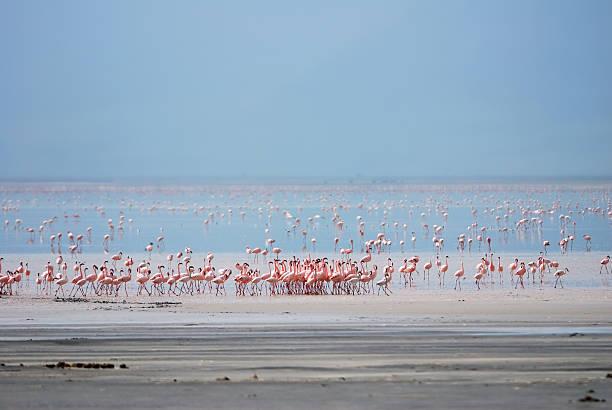
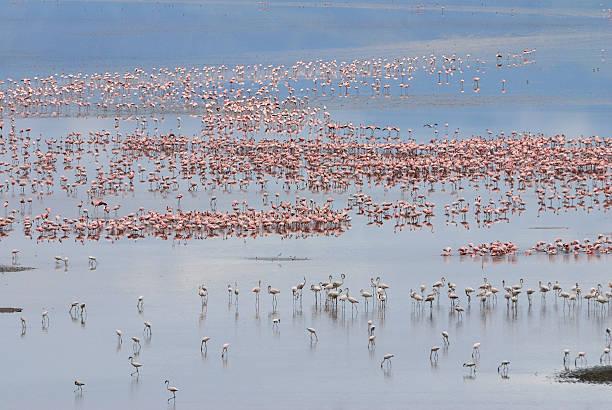
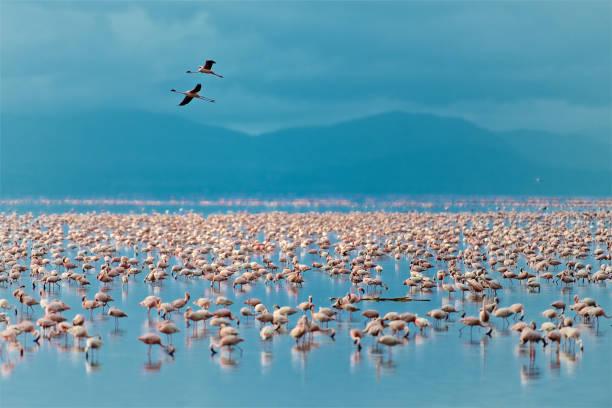
The Pink Shores of Tanzania’s Rift Valley Lake Lake Manyara is one of Tanzania’s most famous birdwatching destinations and an important seasonal habitat for flamingos. During favorable conditions, thousands of flamingos gather along the shallow alkaline shores of the lake, creating spectacular pink bands against the backdrop of the Great Rift Valley escarpment. The flamingos most commonly seen at Lake Manyara include the Lesser flamingo and the Greater flamingo, both of which use the lake as an important feeding habitat.
The Importance of Lake Manyara Lake Manyara lies within the Great Rift Valley in northern Tanzania and forms the centerpiece of Lake Manyara National Park. The lake is shallow, alkaline, and highly seasonal, making it ideal for many species of waterbirds. Although not as important for breeding as Lake Natron, Lake Manyara serves as a major feeding and resting area for flamingos moving through East Africa’s Rift Valley lake system. Its rich birdlife has made it one of Tanzania’s best-known wildlife destinations.
Why Flamingos Gather at Lake Manyara Flamingos are attracted to Lake Manyara because of its shallow alkaline waters and abundant food supply.
Key reasons include:
Rich Food Sources The lake supports algae, plankton, and small aquatic organisms that flamingos filter from the water.
Shallow Shorelines Wide shallow areas allow flamingos to feed safely while wading.
Seasonal Water Levels Changes in rainfall and evaporation create ideal feeding conditions at certain times of year.
Protected Habitat The national park helps reduce human disturbance and protects important wetland areas.
Lesser Flamingos at Lake Manyara Lesser flamingos are usually the most numerous flamingo species at Lake Manyara. Their vivid pink coloration creates stunning visual displays along the shoreline. They feed mainly on microscopic algae and often gather in tightly packed flocks close to shallow alkaline waters. During peak periods, thousands may be present, covering parts of the lake edge in bright pink.
Greater Flamingos at Lake Manyara Greater flamingos are also commonly seen at the lake, although usually in smaller numbers than lesser flamingos.
They are:
- Taller and paler in color
- More widely spaced while feeding
- Adapted to slightly deeper water
- Feeding on small aquatic animals as well as algae
The contrast between the two species creates excellent birdwatching opportunities.
Feeding Behavior Flamingos at Lake Manyara feed using specialized filter-feeding bills.
Their feeding process includes:
- Placing the head upside down in shallow water
- Pumping water through the bill with the tongue
- Filtering algae, plankton, and tiny organisms
- Sweeping the bill side to side while walking slowly
This behavior is often synchronized across large groups.
Seasonal Flamingo Movements
Flamingo numbers at Lake Manyara vary depending on:
- Rainfall patterns
- Water depth
- Algae availability
- Conditions at nearby Rift Valley lakes
Some years produce enormous gatherings, while in other periods numbers may be lower as birds move to other wetlands. This movement between lakes is essential for maintaining healthy flamingo populations across East Africa.
Other Birdlife Around the Lake Lake Manyara is famous not only for flamingos but also for extraordinary bird diversity.
Other common birds include:
- Pelicans and cormorants
- Storks and herons
- Ibises and spoonbills
- Fish eagles and kingfishers
- Egrets and waterfowl
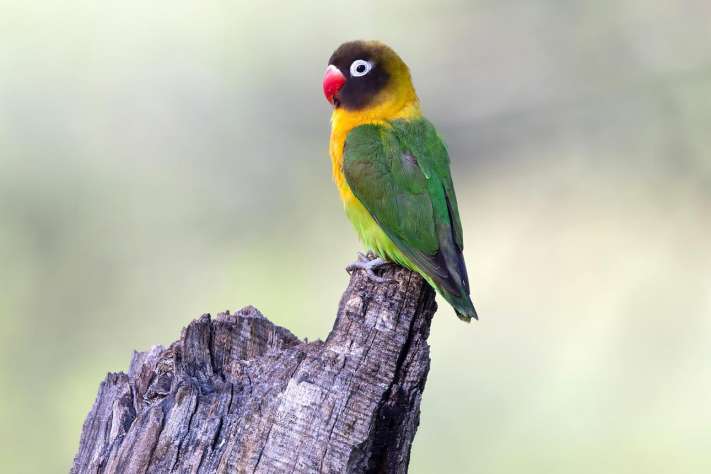
The park supports hundreds of bird species, making it one of Tanzania’s top birdwatching areas.
The Scenic Beauty of Lake Manyara The beauty of Lake Manyara adds greatly to the flamingo experience.
The lake is surrounded by:
- The dramatic Rift Valley escarpment
- Groundwater forests
- Acacia woodlands
- Open floodplains and marshes
At sunrise and sunset, flamingo flocks reflected on the lake create some of the most beautiful wildlife scenes in Tanzania.
Conservation Importance Lake Manyara is an important protected wetland ecosystem. Flamingos depend on healthy water quality and stable food supplies, making conservation essential.
Major threats include:
- Water pollution
- Habitat degradation
- Climate-related drought changes
- Human pressure around wetlands
Protecting the lake ensures survival not only for flamingos but also for the entire wetland ecosystem.
Best Time to See Flamingos at Lake Manyara Flamingos can appear year-round, but numbers are usually highest when water conditions and algae growth are favorable. The dry season often provides excellent viewing opportunities because birds concentrate around remaining shallow waters. However, flamingo abundance changes seasonally and unpredictably depending on regional lake conditions.
Final Thoughts Lake Manyara flamingos are one of Tanzania’s most beautiful wildlife spectacles. The sight of pink flocks spread across shimmering alkaline waters beneath the Rift Valley escarpment is unforgettable. Whether observing lesser flamingos feeding in dense groups or greater flamingos wading gracefully through shallow water, visitors experience one of East Africa’s richest and most vibrant wetland ecosystems.
How Lake Manyara Flamingos Fits Into a Tanzania Safari
Lake Manyara Flamingos matters because a great Tanzania safari is not only a list of sightings. It is a sequence of landscapes, seasons, guide decisions, comfort choices, and small field moments that shape how the journey feels. This Tanzania destination guide keeps the supplied notes intact and expands them into practical planning advice for travelers comparing routes, timing, accommodation, photography, and guiding style.
Destination-focused travelers should use this guide to understand how the place fits into a wider northern Tanzania route, including travel time, season, nearby parks, and the kind of experience that makes the stop worthwhile.
Best Safari Conditions and Viewing Strategy
Field success depends on timing, patience, and interpretation. Early morning gives cooler light, more movement, and better photography. Late afternoon can be excellent for relaxed behavior and softer color. Midday still has value when guests understand shade, water, thermals, migration pressure, or the comfort rhythm of a longer safari day.
- Travel with a guide who can explain habitat, not only identify the subject.
- Keep binoculars or a camera ready before the vehicle stops.
- Watch behavior first, then confirm details such as shape, markings, tracks, calls, or movement.
- Give sightings time. The best moment often happens after the first quick look.
Planning With Tanview Safaris
Tanview Safaris can shape this topic into a route that matches the traveler’s interest. A wildlife-first guest may want slower game drives and more time in open habitats. A photography guest may prefer flexible mornings and better light. A family may need shorter drive sections, clear meal timing, and guides who explain the bush in a warm, patient way. A premium safari may combine stronger guiding with carefully chosen lodges or tented camps that make the day feel calm instead of rushed.
For a stronger plan, connect this guide with Safari Smart Tours, Tanzania Safari Guide, Birdwatching Guide, and Enquiry Now. Those internal resources help turn research into a route, budget, season choice, and booking conversation.
Responsible Safari Notes
Responsible travel protects the experience that visitors come to see. Keep a respectful distance, avoid pressuring guides to disturb wildlife, never feed animals, and treat sensitive habitats carefully. Ethical viewing also improves the quality of the sighting: relaxed wildlife behaves naturally, photographs look better, and the guide can explain the scene without rushing.
How to Combine This With a Wider Route
Most travelers get the best value when this topic is not treated as a stand-alone idea, but as part of a wider route. A northern Tanzania safari can combine Tarangire, Lake Manyara, Ngorongoro, Serengeti, Arusha, village experiences, waterfalls, cultural stops, and specialist wildlife interests in one smooth plan. The right order matters because it affects drive time, fatigue, photography light, and how naturally the trip builds from arrival to the final day.
When guests contact Tanview Safaris, the most useful details are travel month, number of days, comfort level, special interests, mobility needs, and whether the trip should feel adventurous, quiet, family-friendly, romantic, or photography-led. With those details, the team can recommend which experiences deserve a full day, which work best as a short stop, and which should be avoided in the wrong season.
This is also where honest planning helps most. Some experiences look simple on paper but depend on road condition, recent weather, local access, daylight, and how much energy guests have after previous safari days. A well-built itinerary leaves enough breathing room for the experience to feel memorable instead of squeezed between transfers.
Questions to Ask Before You Travel
- Which park, route, or lodge area gives the strongest chance for this interest?
- How much time should be allowed so the experience does not feel rushed?
- What season gives the best balance of weather, wildlife, cost, and comfort?
- Which guide skills, vehicle setup, and accommodation style will improve the day?
FAQ About Lake Manyara Flamingos
Is Lake Manyara Flamingos useful when planning a Tanzania safari?
Yes. This guide gives travelers a focused way to understand the topic before choosing dates, routes, guiding style, and the pace of the safari.
Can Tanview Safaris include this interest in a custom itinerary?
Yes. Guests can mention this interest during the enquiry stage so the team can suggest suitable parks, timing, lodges, and drive structure.
Does this guide include the supplied PDF information?
Yes. The article uses the supplied notes and images, then adds practical Tanzania safari context so the page is helpful for both readers and search engines.
What should I ask before booking?
Ask about the best season, realistic viewing chances, drive length, guide expertise, photography needs, accommodation style, and how this topic fits with the wider safari route.