
Ngorongoro Conservation Area: Safari, Animals, Cost and Best Time
The Ngorongoro Conservation Area is one of the most important safari destinations in northern Tanzania because it combines the famous crater, rich wildlife, dramatic scenery, strong Northern Circuit access, and major archaeological value in one destination. This guide explains what the area is, where the crater is located, which animals in Ngorongoro Crater travelers are most likely to hope for, the best time to visit Ngorongoro, what a realistic Ngorongoro safari cost can look like, and how to plan a better Ngorongoro Crater safari.
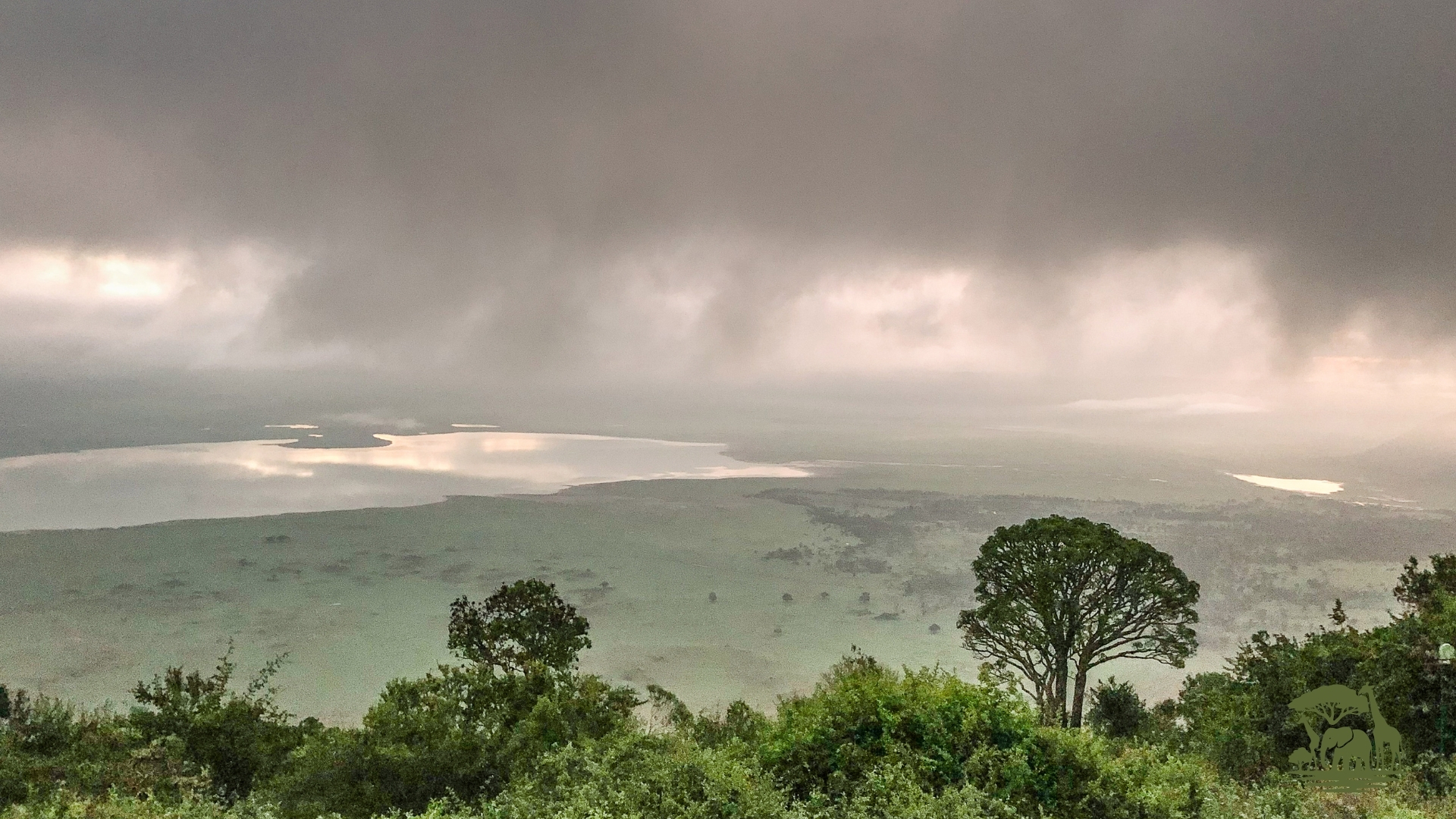
What Is Ngorongoro Conservation Area?
If you are asking what is Ngorongoro Conservation Area, it is a protected conservation landscape in northern Tanzania where the famous crater, wildlife-rich plains, Maasai heritage, and major archaeological sites come together in one destination. Many travelers know the crater name, but the wider conservation area is the bigger story and the more accurate term.
That distinction helps travelers understand the place more clearly. The crater is the star attraction, but it sits inside a much larger protected landscape with more history, scenery, and travel value than one game drive alone.
If you want a fuller explainer, read What Is Ngorongoro Conservation Area? Size, History, and Why It Is Famous.
Ngorongoro gives travelers a high reward-to-time ratio, especially on Northern Circuit itineraries.
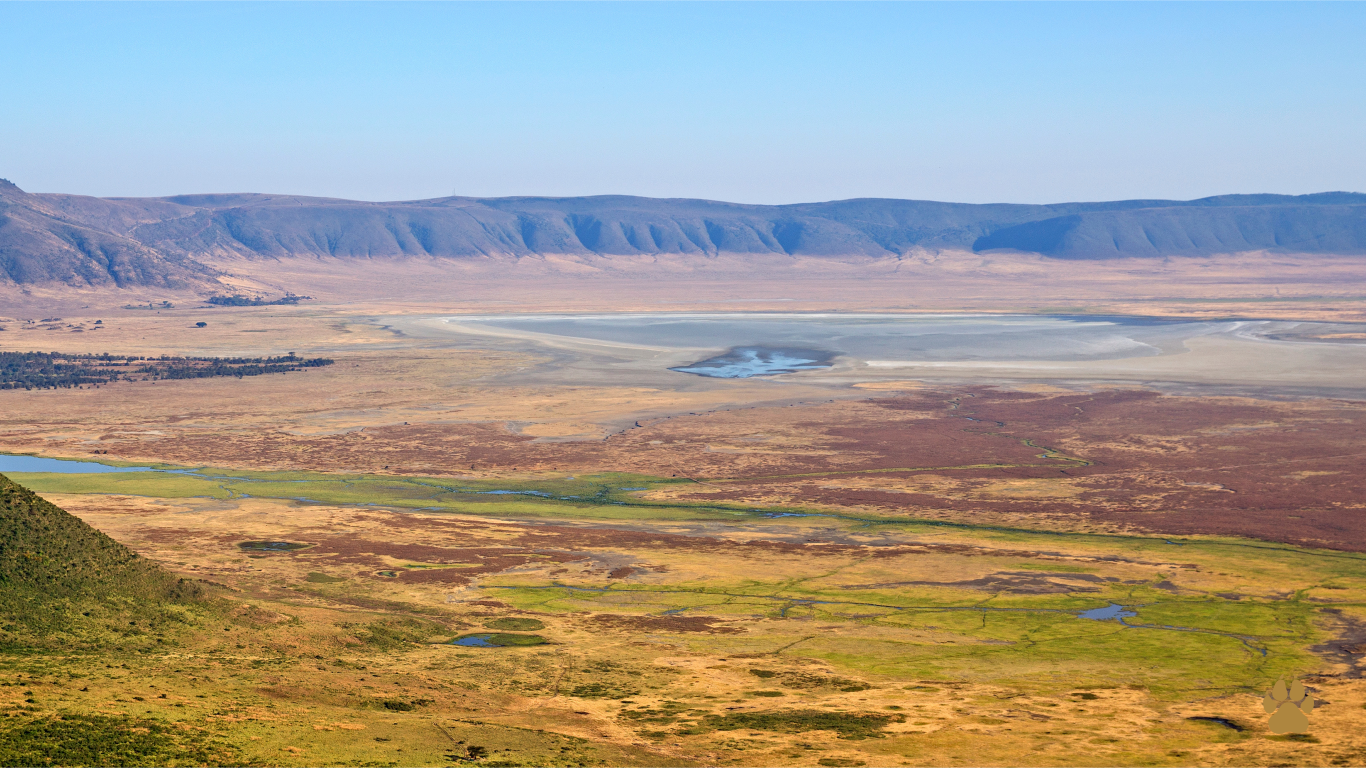
The crater floor is known for productive game viewing in a relatively compact area.
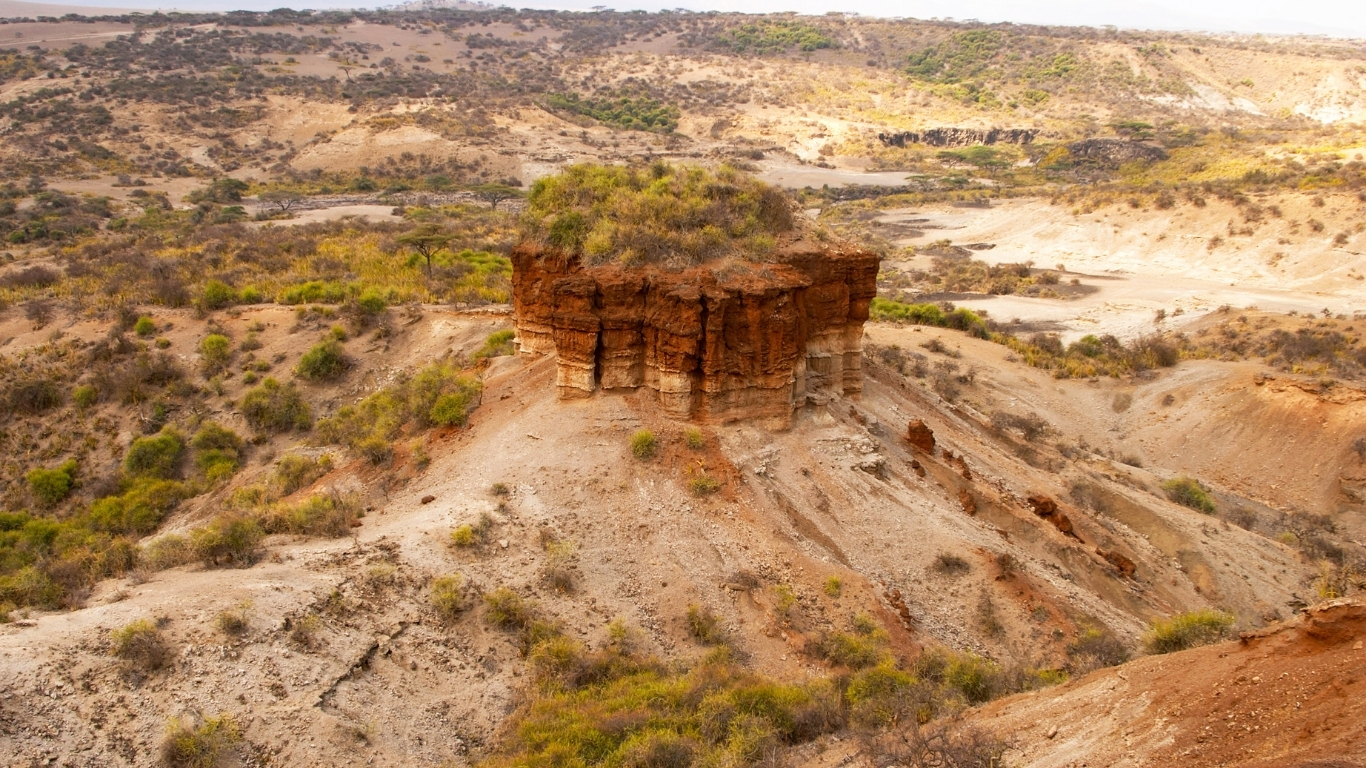
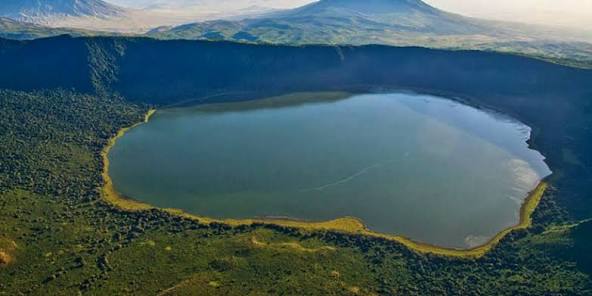
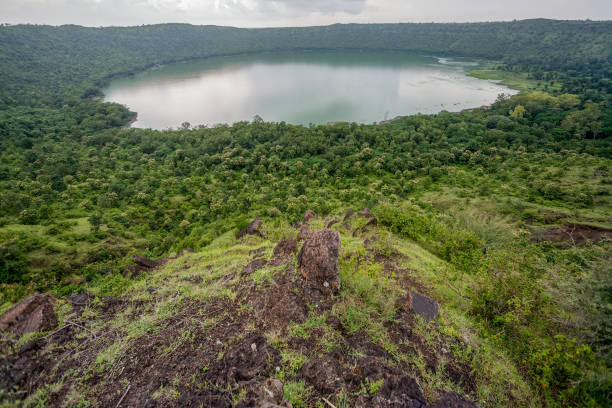
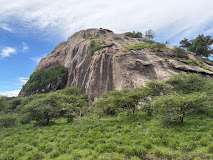
Olduvai Gorge, Empakaai, Olmoti, and Nasera Rock give the wider conservation area much more depth.
Ngorongoro Crater Location and Where Is Ngorongoro Conservation Area?
The Ngorongoro Crater location is in northern Tanzania between Lake Manyara and the Serengeti ecosystem. If you are wondering where is Ngorongoro Conservation Area, it sits on the classic Northern Circuit and is commonly reached from Arusha as part of a wider safari route.
This location is one of Ngorongoro's biggest advantages because it combines easily with Tarangire National Park, Serengeti, and other northern Tanzania safari stops.
For a more detailed route breakdown, see Ngorongoro Crater Location: Where Is It and How Do You Get There?.
- Very strong fit for first-time safari travelers.
- Easy to combine with Serengeti and Tarangire.
- Works well in short and mid-length Northern Circuit itineraries.

Ngorongoro Crater vs Ngorongoro Conservation Area
The Ngorongoro Conservation Area is the larger protected region. The Ngorongoro Crater is its most famous feature. Keeping that distinction clear helps travelers understand exactly what they are visiting and how the destination fits into a northern Tanzania safari.
Animals in Ngorongoro Crater
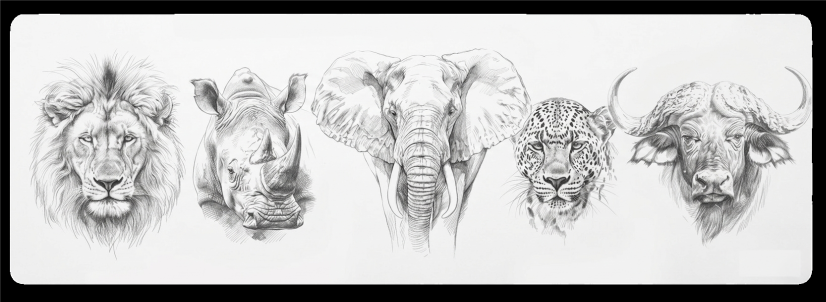
Animals in Ngorongoro Crater are one of the biggest reasons this destination is so widely searched. A classic Ngorongoro Crater safari can include lions, buffalo, elephants, black rhinos, zebras, wildebeest, hippos, hyenas, jackals, gazelles, and rich birdlife.
Ngorongoro is especially attractive for travelers who want strong wildlife viewing on a shorter route because the crater floor delivers a lot of safari value in a relatively compact space.
For a fuller wildlife guide, visit Animals in Ngorongoro Crater: Big Five, Birds, and What to Expect.

Lion
One of the most recognizable crater sightings and one of the reasons Ngorongoro is famous worldwide.
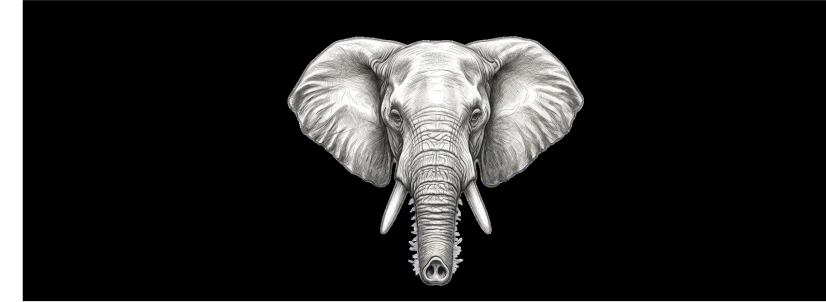
Elephant
Ngorongoro is especially known for larger bulls rather than huge breeding herds on the crater floor.
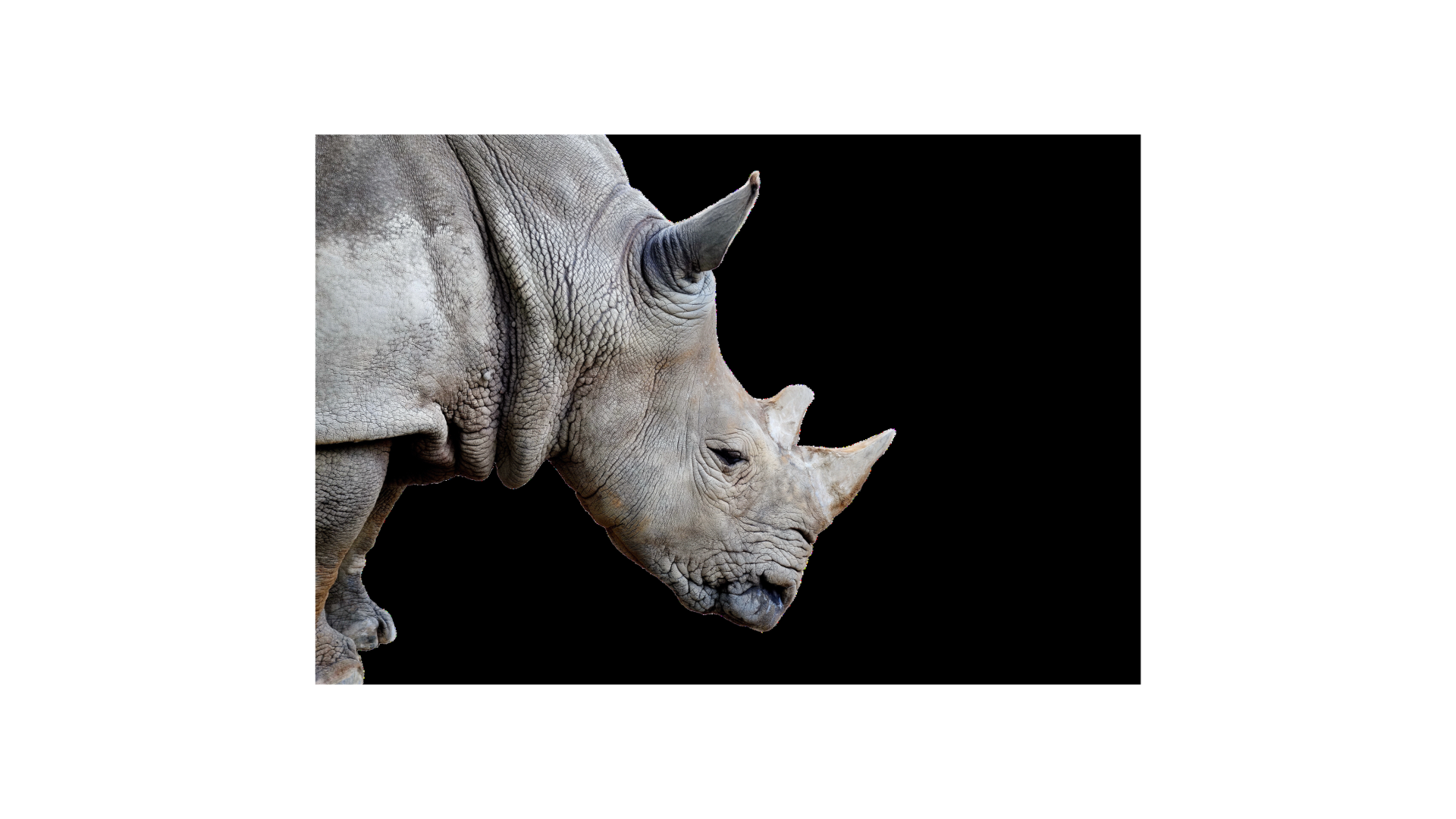
Rhino
Black rhino remains one of the most sought-after sightings and a major reason many travelers include Ngorongoro.
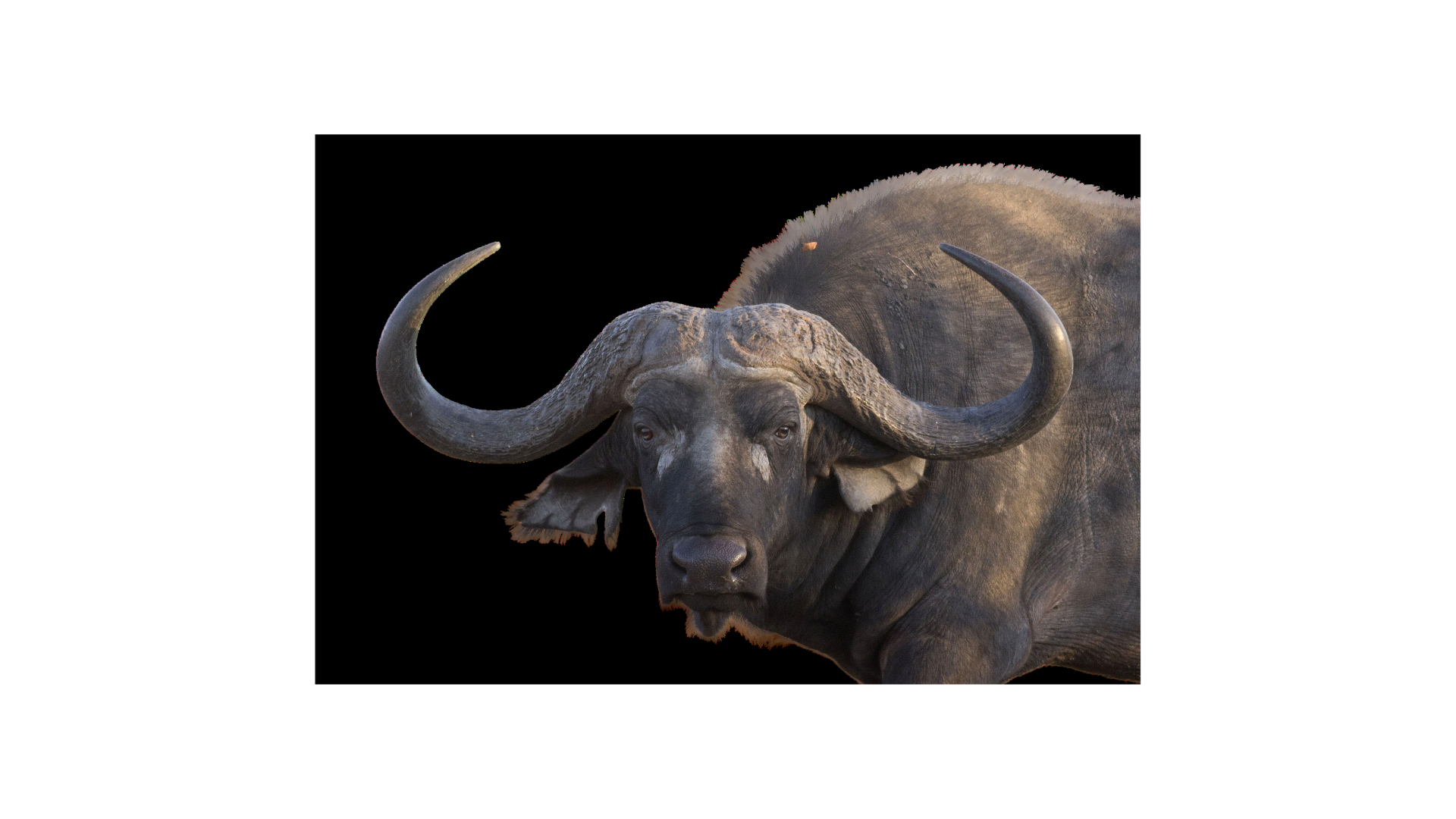
Buffalo
Buffalo help create the visible game density that makes crater drives feel productive and varied.
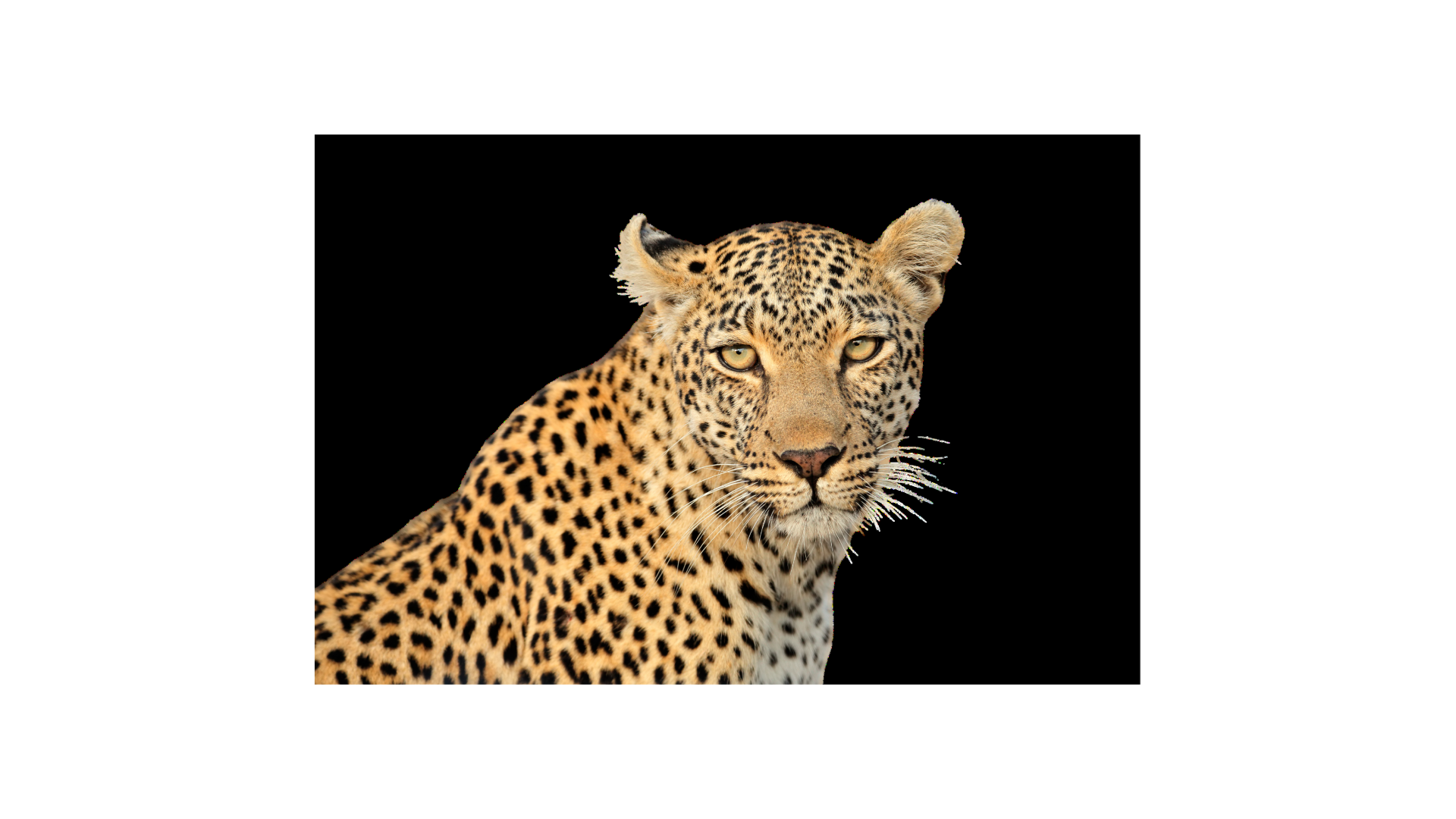
Leopard
Leopard is possible, although it is not as straightforward a sighting as some of the other headline species.
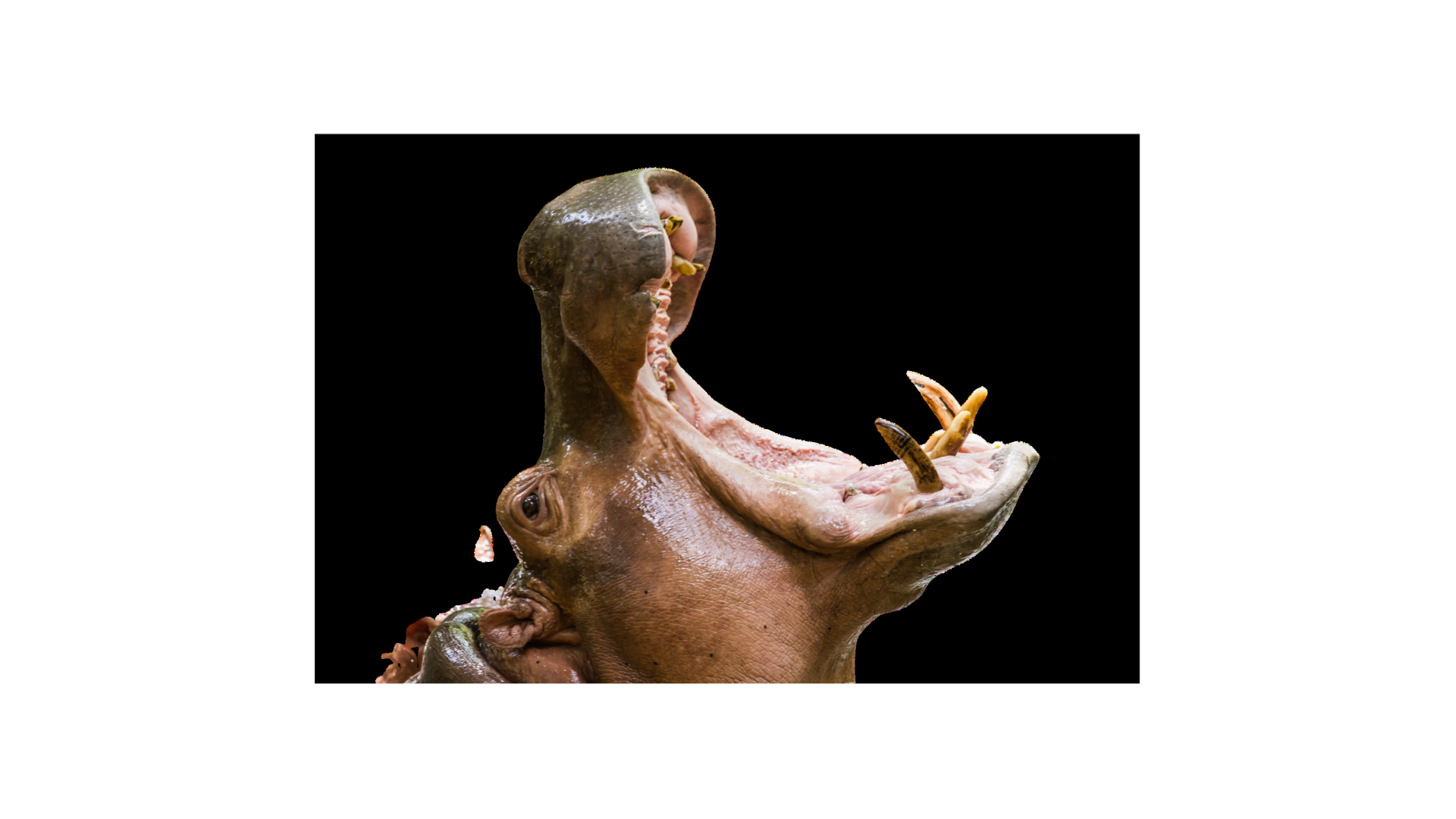
Hippo
Hippos add another memorable wildlife layer to a Ngorongoro safari and help diversify the crater-floor experience.

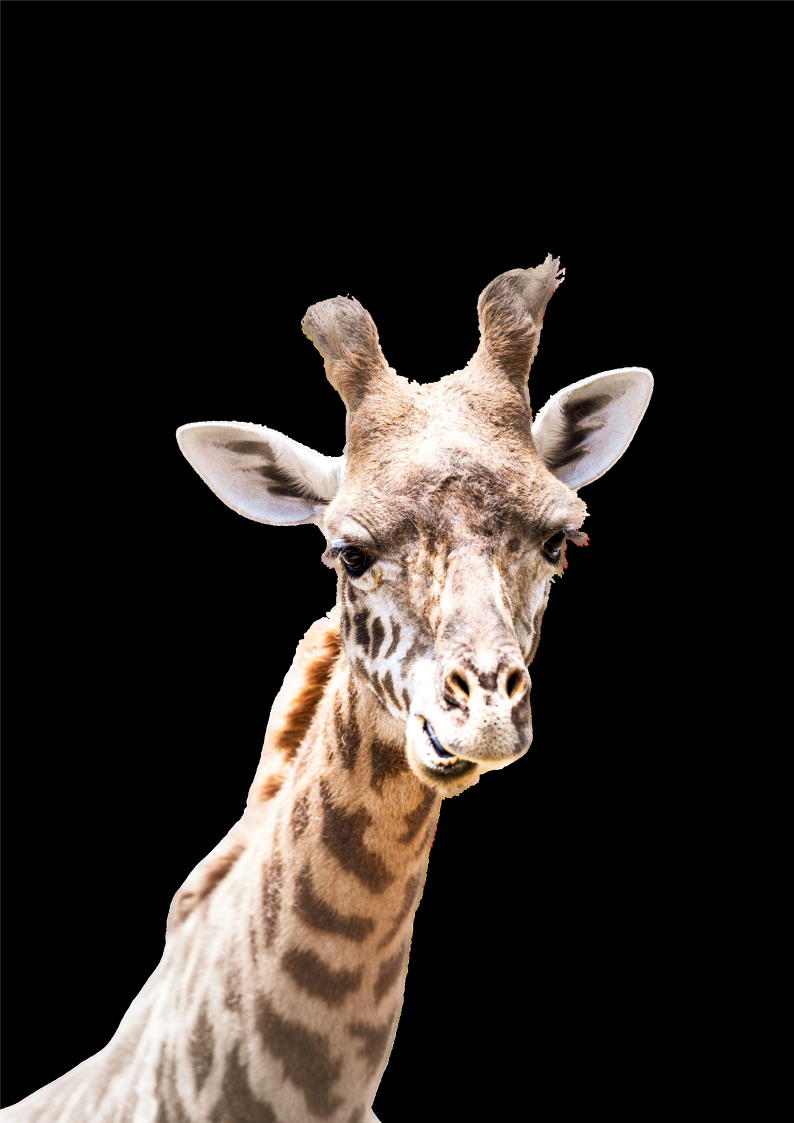
Animals Not Common on the Crater Floor
Giraffes are not part of the classic crater-floor experience, which is one reason broader route design still matters.
Best Time to Visit Ngorongoro
The best time to visit Ngorongoro depends on whether you care most about dry-season wildlife viewing, greener scenery, or a better balance between crowd levels and value. Because Ngorongoro works year-round, the best answer is to match the month to your route and travel style rather than forcing one generic rule.
You can also read our dedicated month-by-month guide: Best Time to Visit Ngorongoro Crater.
June to October
For many travelers, this is the best all-round answer for drier conditions, shorter grass, and easier wildlife viewing.
January to February
These months can be very attractive for greener scenery and strong safari combinations with southern Serengeti travel plans.
Shoulder Months
March, early June, and October can offer a better balance for travelers who want value without sacrificing too much experience.
Ngorongoro Safari Cost
Ngorongoro safari cost depends on the season, accommodation level, route length, and whether the safari is private or shared. This query usually comes from travelers who are already comparing real options, so it needs a direct and practical answer.
As a general planning guide, many private trips that include Ngorongoro often fall around US$500 to US$900 per person per day, while luxury safaris can go much higher. The best pricing answer always comes from a route-specific quote because the crater usually works best as part of a full Northern Circuit itinerary.
For a full budget breakdown, read Ngorongoro Safari Cost in 2026: Fees, Lodges, and Real Budgets. If you only want the official park and crater charges, see Ngorongoro Conservation Area Fees 2026.
What Shapes the Price
- Private vehicle versus shared arrangement.
- Crater-rim or premium lodge choices.
- Travel season and total route design.
- Extra parks, flights, and higher-end logistics.
What Is Often Included
- Driver-guide and safari vehicle.
- Accommodation and meals by itinerary.
- Game drives and normal safari logistics.
- Park-related access inside the route structure.
Visual Guide to Ngorongoro Conservation Area
This gallery keeps the original media-library visuals in the article and shows them in their normal appearance, without custom color effects.
How Many Days Do You Need for a Ngorongoro Crater Safari?
One full day is enough for the classic crater-floor experience, which is why Ngorongoro often appears as a one-night or one-day highlight in Northern Circuit itineraries. If you want more depth, birding, photography time, or extra highland stops, two to three days is a better plan.
One-Day Approach
Best for travelers who want a concentrated crater experience and need Ngorongoro to fit efficiently between other parks.
Two-to-Three-Day Approach
Better for travelers who want a slower pace and more time to appreciate the wider conservation area beyond the crater floor.
History, Access, and Extra Visual Notes
Frequently Asked Questions About Ngorongoro Conservation Area
How big is Ngorongoro Conservation Area?
The wider conservation area covers about 8,292 square kilometers, making it far larger than the crater alone.
Where is Ngorongoro Conservation Area?
It is in northern Tanzania and is commonly reached from Arusha as part of the Northern Circuit safari route.
What is Ngorongoro Conservation Area known for?
It is known for the Ngorongoro Crater, strong wildlife viewing, highland scenery, archaeological importance, and its role in classic northern Tanzania safaris.
What is the best time to visit Ngorongoro?
June to October is the easiest all-round dry-season answer, while January to February is also attractive for greener scenery and strong safari conditions.
How much does a Ngorongoro safari cost?
A private safari often falls around US$500 to US$900 per person per day depending on season, lodge level, route, and inclusions.
Why is Ngorongoro Conservation Area a top tourist attraction?
It combines wildlife density, practical routing, dramatic scenery, and wider historical importance in one destination.
Why is Ngorongoro Crater conservation area successful?
It works so well because it delivers strong wildlife viewing, iconic scenery, and wider cultural and archaeological significance in a single protected landscape.
Plan a Smarter Ngorongoro Safari
If you want a route that uses Ngorongoro well instead of rushing through it, Tanview Safaris can help you shape the right combination of season, lodge level, and surrounding parks.
Search-focused Tanview Safaris answer
Ngorongoro Safari: Crater Wildlife, Cost and Best Time
Ngorongoro safari: A Ngorongoro safari is one of Tanzania’s strongest wildlife experiences because the crater floor concentrates lions, elephants, buffalo, hippos, hyenas, flamingos and occasional black rhino sightings in a dramatic volcanic landscape. It works as a day trip from Karatu or as part of a northern circuit safari with Serengeti and Tarangire.
Best use
Ngorongoro is strongest as a full crater descent day, usually placed before or after Serengeti in a northern circuit route.
Wildlife value
The compact crater floor gives high wildlife density, strong photography and a different feeling from open Serengeti plains.
Ranking angle
The page now answers Ngorongoro safari intent with animals, cost, best time and route planning in one section.


Is Ngorongoro safari worth it?
Yes. Ngorongoro safari is worth it for wildlife density, crater scenery, Big Five potential and easy combination with Serengeti or Tarangire.
How long do you need in Ngorongoro?
Most travelers need one full crater descent day, though nearby Karatu or highland nights can make the route more comfortable.
What animals can I see in Ngorongoro?
Ngorongoro can include lions, elephants, buffalo, hippos, hyenas, flamingos, zebras, wildebeest and sometimes black rhino.
What is the best time for Ngorongoro?
Ngorongoro can be visited year-round, with dry months often easier for visibility and green months offering beautiful landscapes.