

Tanzania birdwatching guide
Ostrich Guide
The World’s Largest Bird and a Giant of the African Plains
Ostrich Images

Quick Safari Highlights
Field Notes and Safari Context
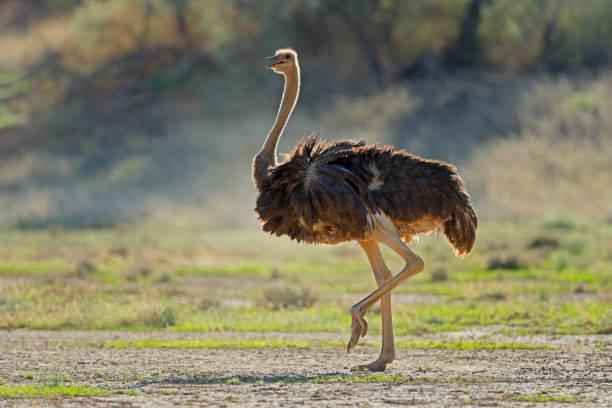
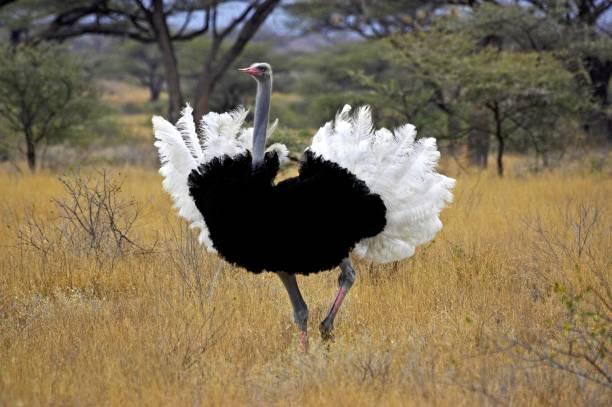
The World’s Largest Bird and a Giant of the African Plains The ostrich is one of the most iconic birds in Africa and the largest living bird species in the world. Despite being flightless, it is perfectly adapted to life on the open savannah, where speed, strength, and sharp vision are far more important than flight. In Tanzania, ostriches are commonly seen across wide grasslands such as the Serengeti, Ngorongoro plains, and parts of Tarangire and Ruaha. The species found in East Africa is the Common ostrich, a powerful and highly adaptable bird that plays an important role in the savannah ecosystem. What Is an Ostrich? The ostrich is a large, flightless bird that belongs to a group of birds known as ratites. Instead of flying, it has evolved strong legs built for running at extremely high speeds across open terrain. Its long neck, large eyes, and tall body give it excellent visibility across the grasslands, allowing it to detect predators from far away. Ostriches often rely on this sharp vision and early warning ability to survive in environments shared with lions, hyenas, and cheetahs. Males are usually black and white, while females are more brownish-gray, helping them blend into the environment during nesting.
Speed and Survival One of the most remarkable features of the ostrich is its speed. It is the fastest running bird on land and can reach speeds of up to 70 km/h when escaping predators. This makes it one of the most effective escape specialists in the African savannah. Instead of relying on camouflage alone, ostriches depend on early detection and rapid escape. Their long, powerful legs allow them not only to run fast but also to deliver strong defensive kicks if threatened. A single kick from an ostrich can seriously injure or even kill a predator, making it one of the most dangerous birds to approach in the wild.
Behavior in the Wild Ostriches are social birds and are often seen in small groups, sometimes mixing with zebras, wildebeest, and other grazing animals. This mixed grouping provides safety in numbers, as different species rely on different senses to detect danger. They are diurnal, meaning they are active during the day, especially in the early morning and late afternoon when temperatures are cooler. Ostriches are constantly alert, often lifting their heads high to scan the horizon for movement. When danger is detected, they may run in coordinated groups, using their speed to escape predators.
Feeding and Diet Ostriches are omnivorous but primarily herbivorous, feeding on a wide range of plant material available in the savannah.
Their diet includes:
- Grass and leaves
- Seeds and grains
- Flowers and fruits
- Insects and small invertebrates
They do not have teeth, so they swallow small stones and grit, which help grind food inside their muscular stomach. Their ability to survive on a wide range of food sources allows them to thrive in both dry and wet seasons.
Physical Characteristics The ostrich has several unique physical features that make it perfectly suited for survival on open plains. Its long, powerful legs are built for speed and endurance, while its two-toed feet provide stability and traction during fast running. Its large eyes are among the biggest of any land animal, giving it excellent long-distance vision. The body is covered in soft feathers that help regulate temperature in both hot and cool conditions. Unlike flying birds, ostriches have loose, fluffy feathers that provide insulation rather than aerodynamic lift. Their long neck allows them to see over tall grass, giving them an advantage in spotting predators early.
Habitat and Distribution Ostriches are found in a wide range of open habitats across Tanzania and other parts of Africa.
They prefer:
- Open savannah grasslands
- Semi-arid plains
- Dry scrublands
- Lightly wooded savannah areas
They avoid dense forests where running space is limited and visibility is reduced. In Tanzania, they are especially common in the Serengeti ecosystem, where vast open plains provide ideal conditions for feeding and predator detection.
Role in the Ecosystem Ostriches play an important role in the savannah ecosystem as both grazers and seed dispersers. By feeding on plants and fruits, they help spread seeds across large distances through their droppings. They also contribute to the balance of grassland vegetation and serve as prey for large predators, especially when young or vulnerable. Their eggs are among the largest of any bird species and provide an important food source for predators such as hyenas, jackals, and even lions when the opportunity arises.
Ostriches and Other Wildlife Ostriches are often seen sharing space with herbivores such as zebras, wildebeest, and antelopes. These mixed groups benefit from shared vigilance, as different species detect threats in different ways. For example, while ostriches rely on long-distance vision, zebras depend on hearing and herd communication. Together, they create a more effective early warning system against predators. This cooperative behavior is one of the key survival strategies in the open savannah.
Best Places to See Ostriches in Tanzania Ostriches are widely distributed across Tanzania’s major safari destinations, especially in open grassland areas.
They are commonly seen in:
- Serengeti National Park – vast open plains and migration routes
- Ngorongoro Conservation Area – crater floor and surrounding grasslands
- Tarangire National Park – seasonal open areas
- Ruaha National Park – dry savannah landscapes
- Lake Manyara National Park – open clearings and grassland edges
Ostrich Behavior During Breeding During the breeding season, male ostriches perform elaborate displays to attract females. They spread their wings, shake their feathers, and perform rhythmic movements to establish dominance and attract mates. Nesting is shared in a communal system, where several females may lay eggs in a single nest, but only the dominant pair typically incubates them. This strategy increases reproductive success in environments where predation pressure is high.
Final Thoughts The ostrich is one of the most remarkable animals in Tanzania’s savannah ecosystem. As the largest bird in the world, it represents strength, speed, and adaptation to life on open plains. From the endless grasslands of the Serengeti to the dry valleys of Ruaha, ostriches are a constant presence in the African landscape, moving gracefully across the horizon and symbolizing the power of survival in the wild. Whether seen running alongside herds of zebras or standing tall against the wind, the ostrich remains one of Africa’s most unforgettable wildlife species.
How Ostrich Fits Into a Tanzania Safari
Ostrich matters because a great Tanzania safari is not only a list of sightings. It is a sequence of landscapes, seasons, guide decisions, comfort choices, and small field moments that shape how the journey feels. This Tanzania birdwatching guide keeps the supplied notes intact and expands them into practical planning advice for travelers comparing routes, timing, accommodation, photography, and guiding style.
Bird-focused travelers should use this guide to slow down the drive, listen more carefully, and connect habitat with behavior. Many of Tanzania’s most rewarding bird sightings happen while other guests are scanning for larger wildlife, so a guide who understands birds can make the whole safari feel richer.
Best Safari Conditions and Viewing Strategy
Field success depends on timing, patience, and interpretation. Early morning gives cooler light, more movement, and better photography. Late afternoon can be excellent for relaxed behavior and softer color. Midday still has value when guests understand shade, water, thermals, migration pressure, or the comfort rhythm of a longer safari day.
- Travel with a guide who can explain habitat, not only identify the subject.
- Keep binoculars or a camera ready before the vehicle stops.
- Watch behavior first, then confirm details such as shape, markings, tracks, calls, or movement.
- Give sightings time. The best moment often happens after the first quick look.
Planning With Tanview Safaris
Tanview Safaris can shape this topic into a route that matches the traveler’s interest. A wildlife-first guest may want slower game drives and more time in open habitats. A photography guest may prefer flexible mornings and better light. A family may need shorter drive sections, clear meal timing, and guides who explain the bush in a warm, patient way. A premium safari may combine stronger guiding with carefully chosen lodges or tented camps that make the day feel calm instead of rushed.
For a stronger plan, connect this guide with Safari Smart Tours, Tanzania Safari Guide, Birdwatching Guide, and Enquiry Now. Those internal resources help turn research into a route, budget, season choice, and booking conversation.
Responsible Safari Notes
Responsible travel protects the experience that visitors come to see. Keep a respectful distance, avoid pressuring guides to disturb wildlife, never feed animals, and treat sensitive habitats carefully. Ethical viewing also improves the quality of the sighting: relaxed wildlife behaves naturally, photographs look better, and the guide can explain the scene without rushing.
How to Combine This With a Wider Route
Most travelers get the best value when this topic is not treated as a stand-alone idea, but as part of a wider route. A northern Tanzania safari can combine Tarangire, Lake Manyara, Ngorongoro, Serengeti, Arusha, village experiences, waterfalls, cultural stops, and specialist wildlife interests in one smooth plan. The right order matters because it affects drive time, fatigue, photography light, and how naturally the trip builds from arrival to the final day.
When guests contact Tanview Safaris, the most useful details are travel month, number of days, comfort level, special interests, mobility needs, and whether the trip should feel adventurous, quiet, family-friendly, romantic, or photography-led. With those details, the team can recommend which experiences deserve a full day, which work best as a short stop, and which should be avoided in the wrong season.
This is also where honest planning helps most. Some experiences look simple on paper but depend on road condition, recent weather, local access, daylight, and how much energy guests have after previous safari days. A well-built itinerary leaves enough breathing room for the experience to feel memorable instead of squeezed between transfers.
Questions to Ask Before You Travel
- Which park, route, or lodge area gives the strongest chance for this interest?
- How much time should be allowed so the experience does not feel rushed?
- What season gives the best balance of weather, wildlife, cost, and comfort?
- Which guide skills, vehicle setup, and accommodation style will improve the day?
FAQ About Ostrich
Is Ostrich useful when planning a Tanzania safari?
Yes. This guide gives travelers a focused way to understand the topic before choosing dates, routes, guiding style, and the pace of the safari.
Can Tanview Safaris include this interest in a custom itinerary?
Yes. Guests can mention this interest during the enquiry stage so the team can suggest suitable parks, timing, lodges, and drive structure.
Does this guide include the supplied PDF information?
Yes. The article uses the supplied notes and images, then adds practical Tanzania safari context so the page is helpful for both readers and search engines.
What should I ask before booking?
Ask about the best season, realistic viewing chances, drive length, guide expertise, photography needs, accommodation style, and how this topic fits with the wider safari route.