

Tanzania birdwatching guide
Hooded vulture Bird Guide
The Small but Important Cleaner of Africa’s Ecosystems The Hooded Vulture is one of the smallest vultures in Africa, but despite its size, it plays a
Hooded vulture Images From the PDF Source

Field Notes From the Source Guide
The Hooded Vulture is one of the smallest vultures in Africa, but despite its size, it plays a massive role in keeping the environment clean and healthy. It is a highly efficient scavenger that helps remove dead animals, food waste, and organic remains before dangerous bacteria and disease can spread. Unlike larger vultures that dominate carcasses through strength, the Hooded Vulture survives through intelligence, speed, and adaptability. It is commonly seen near villages, markets, roadsides, rivers, and savannahs where food can be found easily. Because of its close connection to human settlements, it is one of the most familiar vultures in many African countries.
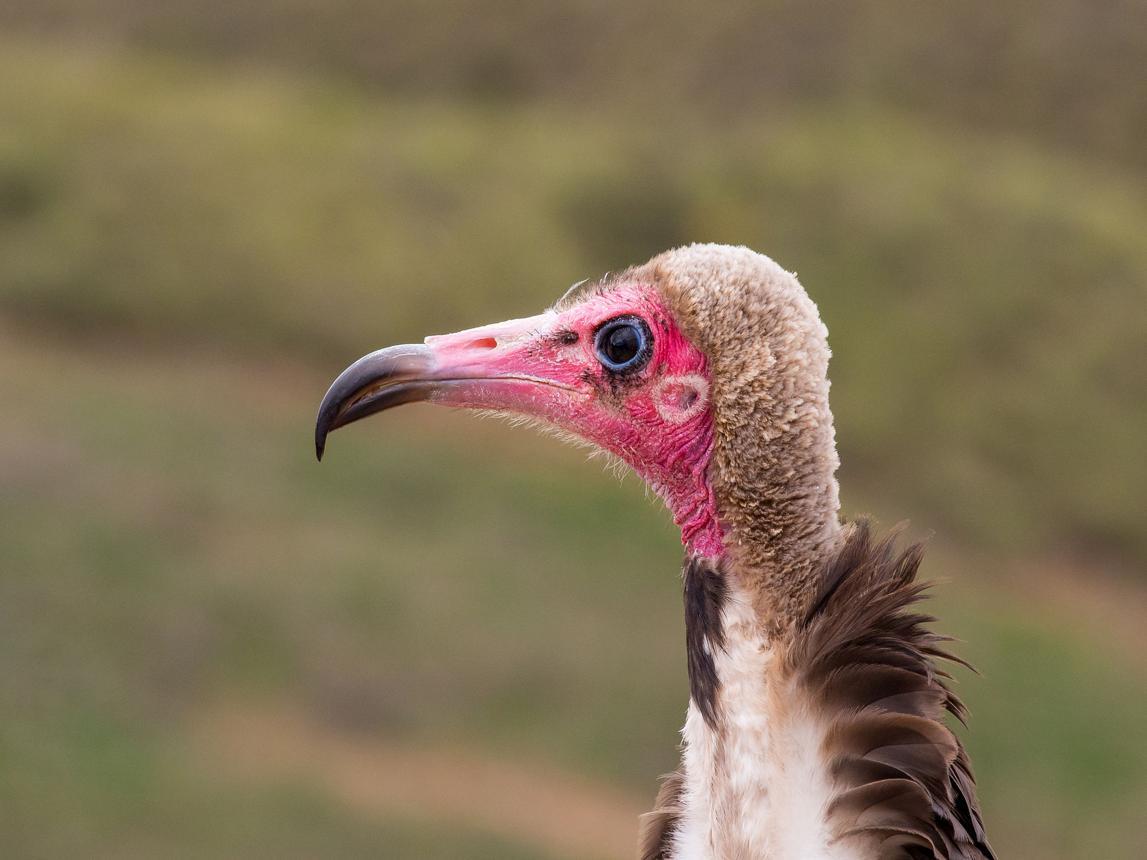
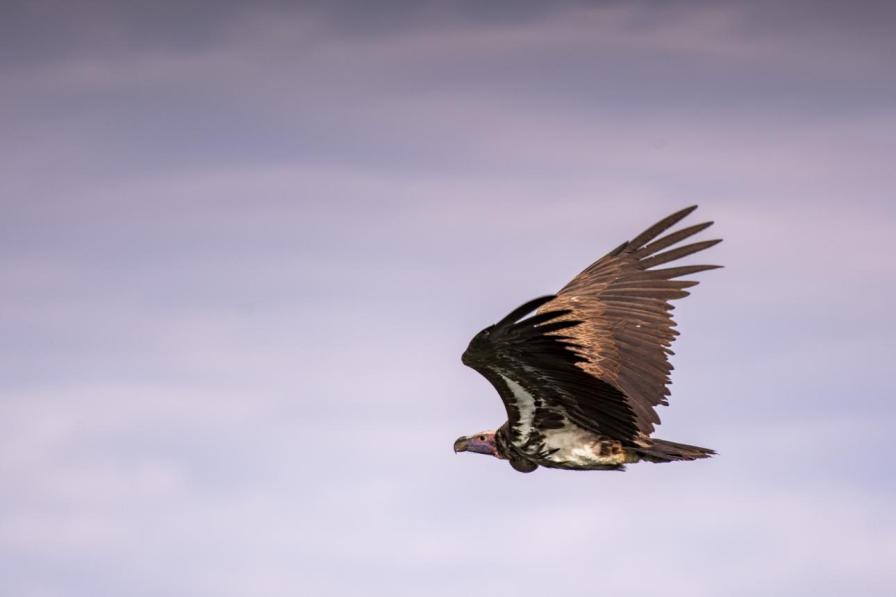
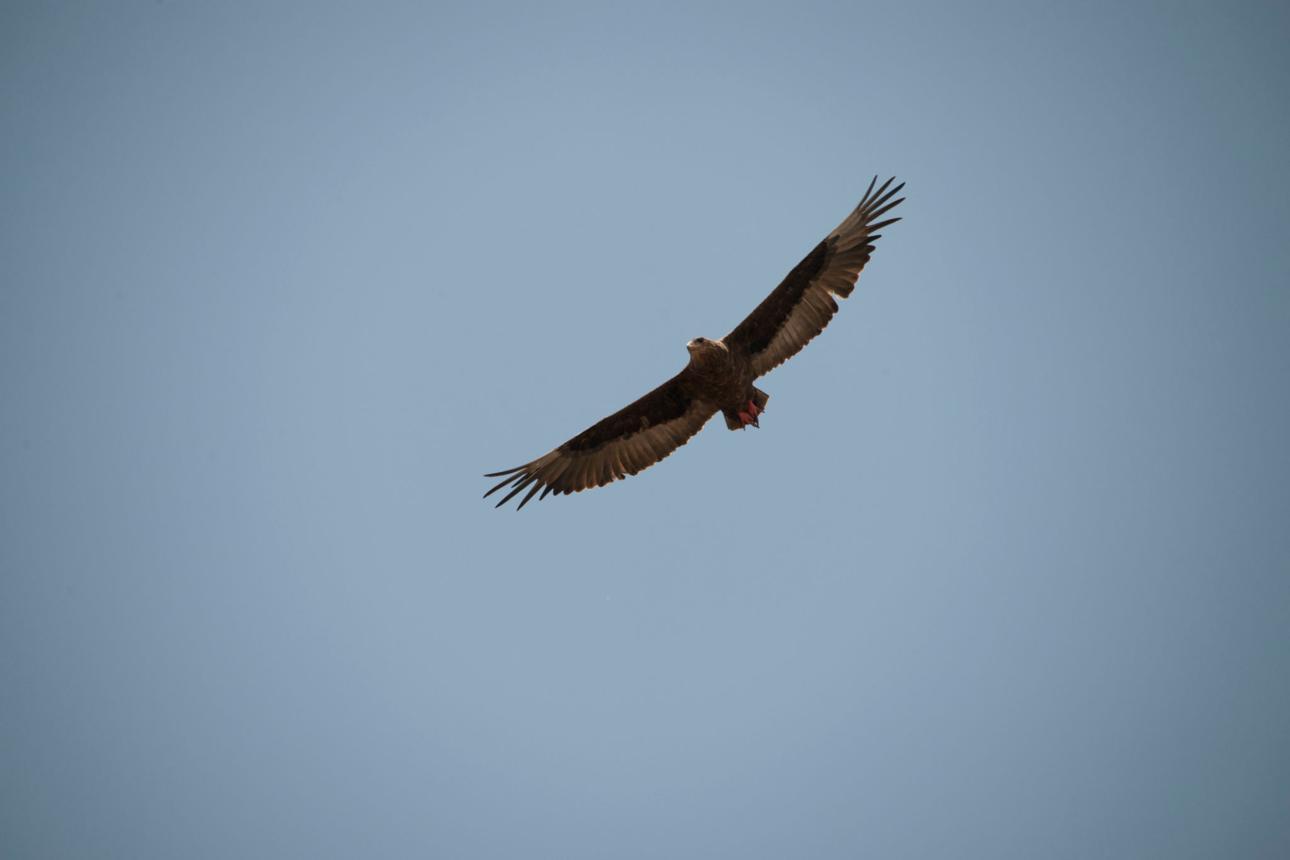
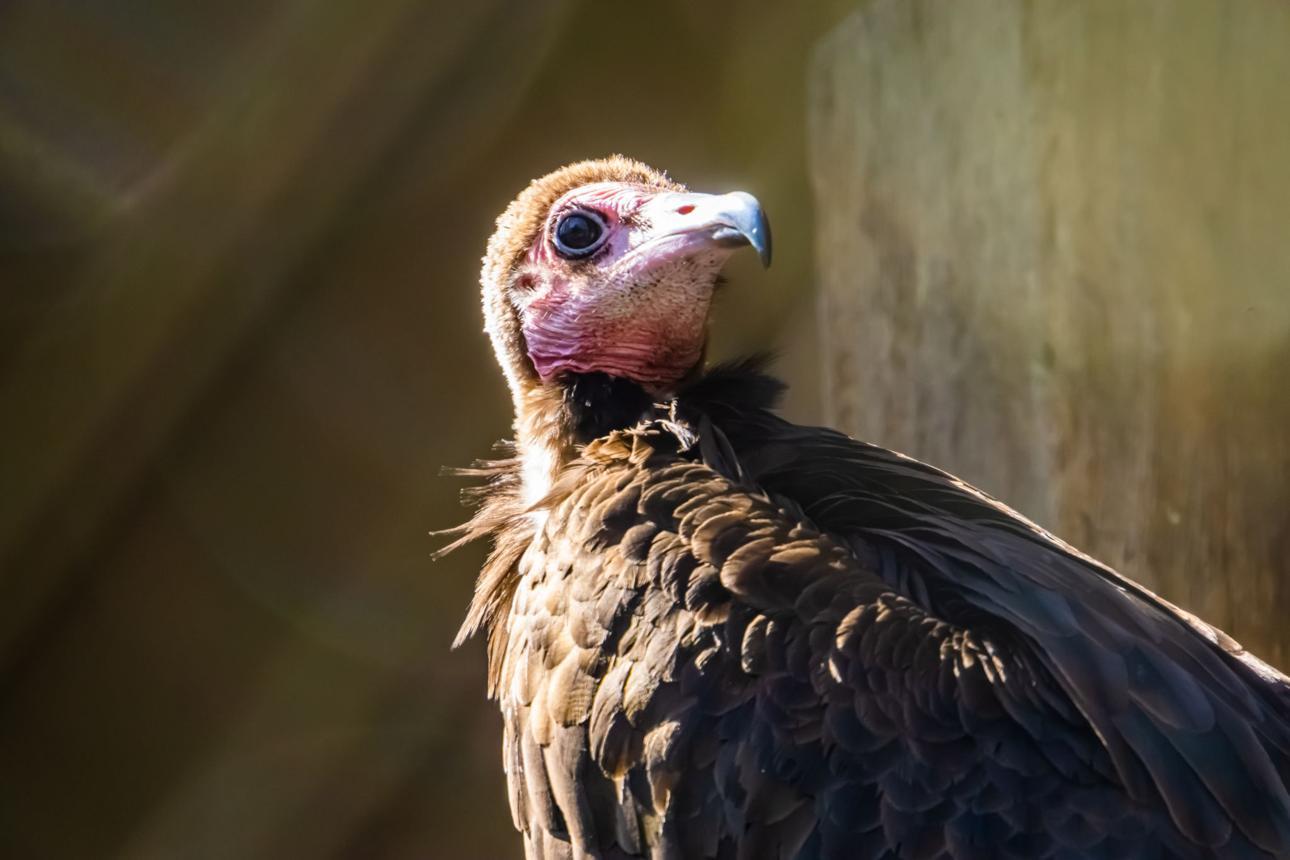
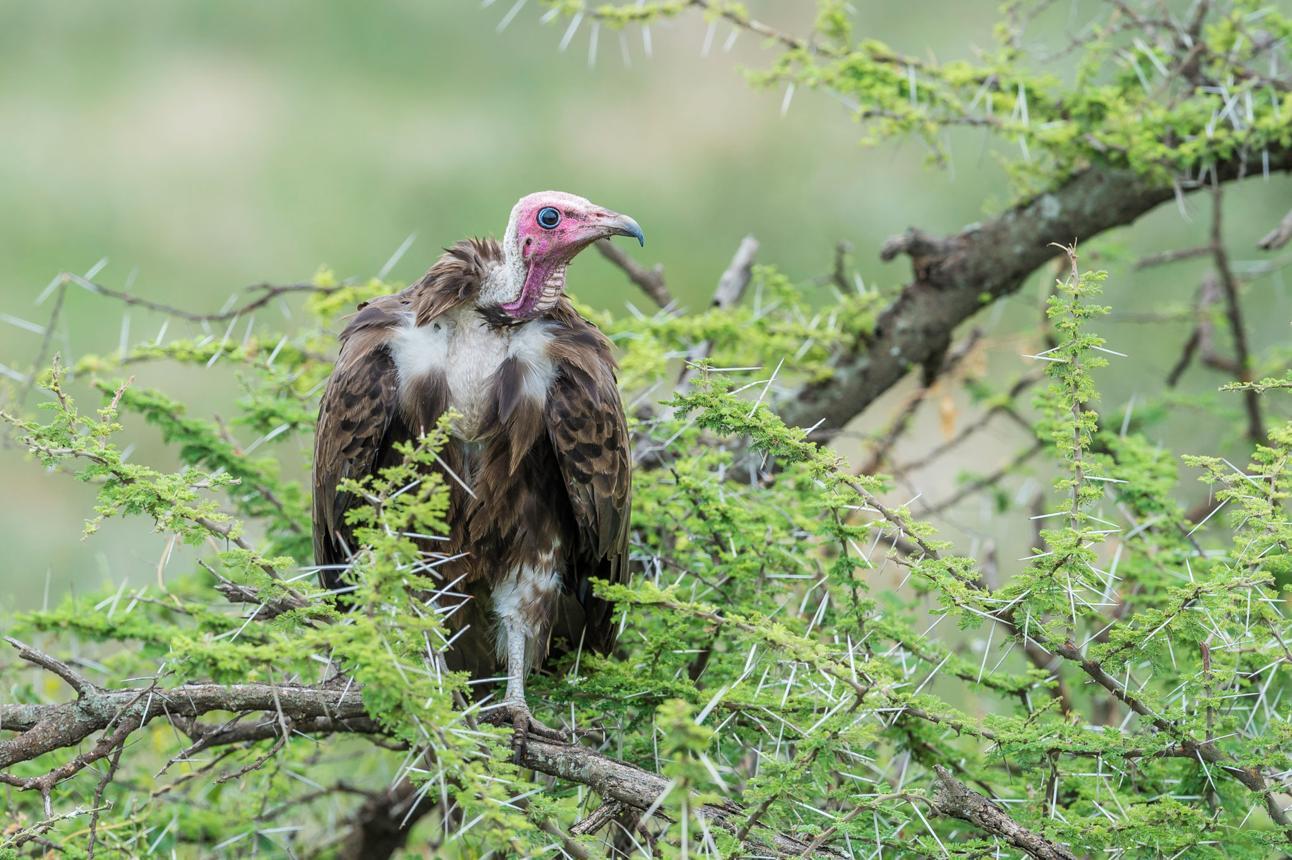
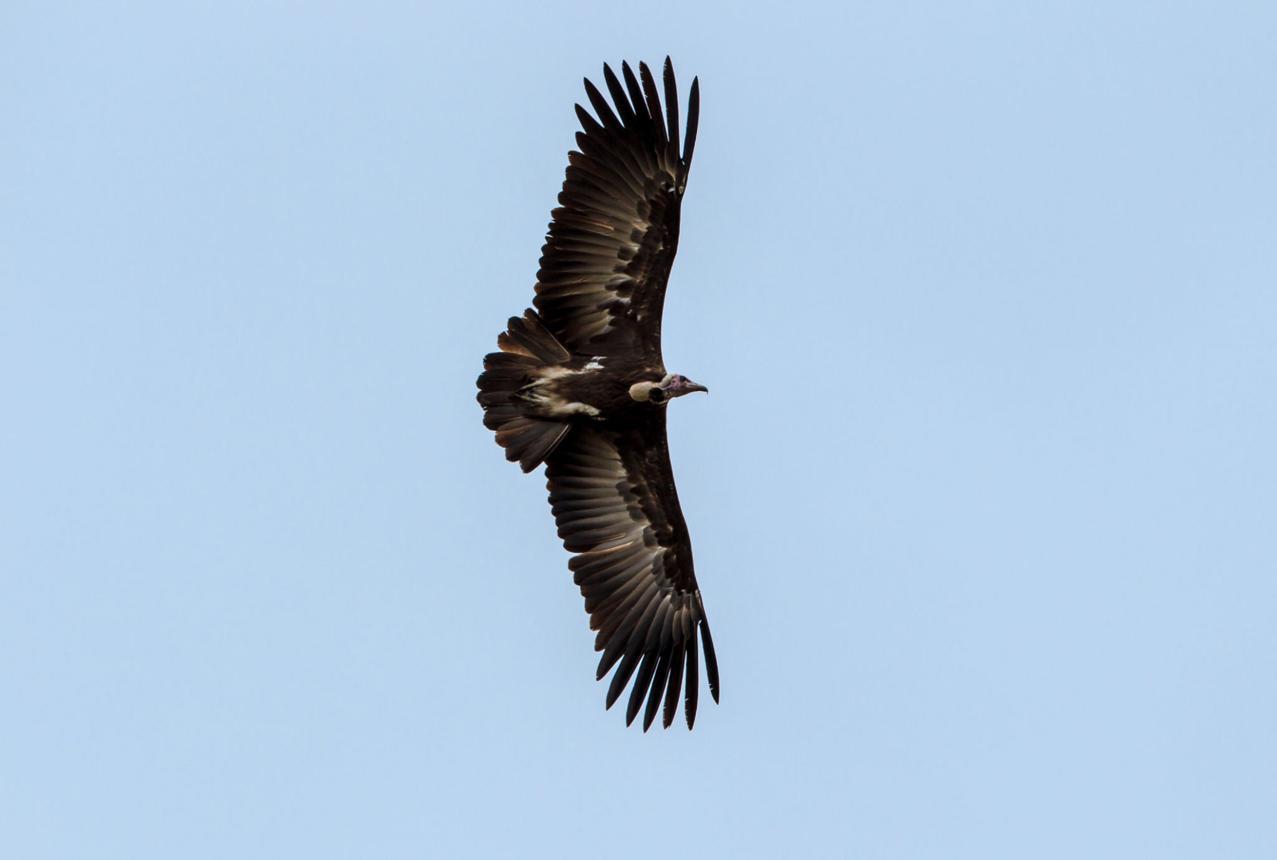
A Unique Appearance The Hooded Vulture has a slim body, narrow beak, and long wings designed for soaring. Its feathers are mostly dark brown, while the head is pale pink or grayish and covered with thin down rather than thick feathers. Its bald head is an important adaptation because it helps the bird stay clean while feeding inside carcasses. Compared to larger vultures, the Hooded Vulture appears lighter, more agile, and less intimidating. However, its small size actually gives it an advantage because it can reach narrow spaces inside carcasses where larger vultures cannot feed easily.
Feeding and Scavenging Behavior The Hooded Vulture is an opportunistic scavenger that feeds on almost any available organic material. It commonly eats: Carrion Fish remains Food scraps Dead insects Small animal remains Unlike stronger vultures that tear open tough carcasses, the Hooded Vulture often waits until larger scavengers finish feeding. It then uses its thin beak to clean up smaller leftover pieces. This cleaning role is extremely important because it helps remove waste quickly from the environment. In many African towns and villages, Hooded Vultures help reduce pollution and disease by consuming discarded animal remains.
Living Close to Humans One of the most interesting things about the Hooded Vulture is its ability to live near people. While many birds of prey avoid urban areas, this species often thrives near human settlements. It is commonly seen around: Markets Slaughter areas Fishing villages Roadsides Garbage sites Riverbanks This close relationship with humans has helped the species survive in many places, but it has also exposed it to serious dangers such as poisoning and pollution.
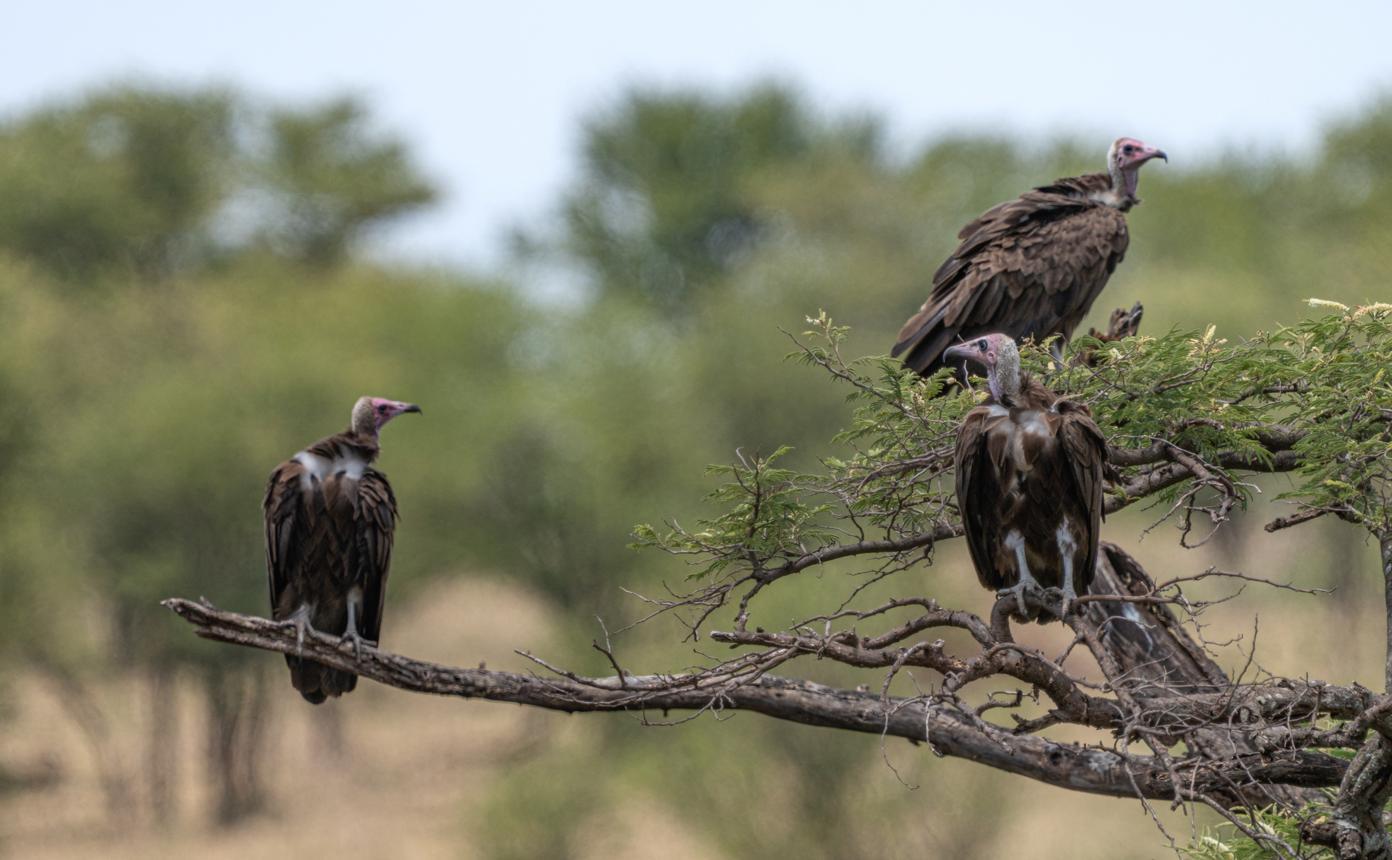
Behavior and Social Life Hooded Vultures are usually seen alone or in small groups. They spend much of the day soaring low in the sky while searching for food. They are intelligent and highly observant birds that quickly learn where food sources are located. In busy areas, they often arrive before other scavengers because they are constantly watching for opportunities. At night, they gather in communal roosts where many birds rest together in tall trees.
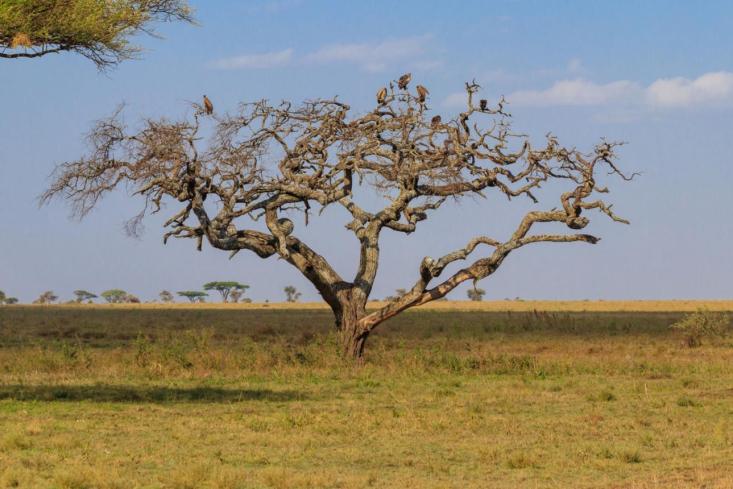
Breeding and Nesting The Hooded Vulture builds nests high in tall trees, usually close to feeding areas but away from disturbance. The nest is made from sticks and lined with softer materials. The female usually lays one egg, sometimes two, and both parents share incubation and chick care responsibilities. Young vultures grow slowly and remain dependent on adults for a long time before becoming independent.
Conservation Challenges The Hooded Vulture is currently classified as Critically Endangered due to severe population declines across Africa. Its biggest threats include: Poisoning from toxic carcasses Habitat destruction Pollution Hunting and illegal trade Reduced food availability Because the species breeds slowly, population recovery is difficult once numbers decline. Conservation organizations are working to protect nesting sites, reduce poisoning, and educate communities about the ecological importance of vultures.
Final Thoughts The Hooded Vulture may be small compared to Africa’s giant vultures, but it is one of the most important birds in the ecosystem. Its ability to remove waste and clean the environment helps protect both wildlife and human communities from disease. It is a quiet but essential guardian of African landscapes — a bird whose importance is far greater than its size.
Hooded vulture Images From the PDF Source
Hooded vulture in Tanzania Safari Planning
For travelers planning a Tanzania safari, the Hooded vulture is more than a name on a bird list. It is part of the daily rhythm of the bush: calls at dawn, movement around water, quick flashes of color, or patient shapes circling above the plains. Birdwatching adds depth to a safari because it keeps the landscape alive between larger wildlife sightings and helps guests understand habitat, season, food chains, and conservation in a more intimate way.
The Small but Important Cleaner of Africa’s Ecosystems The Hooded Vulture is one of the smallest vultures in Africa, but despite its size, it plays a. This guide is built from the supplied PDF field notes and expanded with practical safari context for readers who want to identify, photograph, and appreciate the species while traveling with Tanview Safaris. The goal is to keep the original facts intact while making the page useful for search, itinerary planning, and real field observation.
Best Places to Watch for This vulture on Safari
The best viewing areas depend on habitat. Woodland and river birds are often found near acacia stands, riverine forest, marsh edges, lodge gardens, and shaded drainage lines. Open-country species are easier to notice on grasslands, road edges, plains, and dry savannah where perches, thermals, or nesting colonies are visible. On a northern Tanzania itinerary, guests should keep watching during drives through Tarangire, Lake Manyara, Ngorongoro highlands, Serengeti plains, and the mixed farmland around Arusha because birds often appear in transitional habitats rather than only inside famous wildlife hotspots.
A guide who knows both mammals and birds can turn short roadside moments into meaningful sightings. Many species are easiest to identify by behavior: hovering, swooping from a perch, walking on the ground, gathering in noisy colonies, building nests, following thermals, or making repeated calls. Travelers should keep binoculars close even when the vehicle is moving slowly because some of the best sightings happen in seconds.
How to Identify Hooded vulture in the Field
Identification should start with shape and behavior before color. Notice the bill size, tail length, wing shape, posture, flight pattern, and preferred perch. Then check color blocks, facial markings, underparts, and any unusual voice or movement. This approach works well in Tanzania because light can be harsh, birds may be partly hidden, and similar species can share the same habitat.
- Look at the bill first: thick, hooked, dagger-like, curved, or fine and nectar-adapted.
- Watch the tail: long display tails, short square tails, forked tails, or heavy tails can quickly narrow the group.
- Study the habitat: riverbank, woodland, open savannah, village edge, palm area, wetland, forest, or cliff country.
- Listen for voice: repeated calls, ringing notes, chatter, harsh croaks, or melodic song often confirm the sighting.
- Observe feeding: aerial insect hunting, scavenging, fishing, nectar feeding, seed eating, or ground foraging.
Photography Tips for Birdwatchers
Bird photography in Tanzania rewards patience. Use early morning light whenever possible, keep the vehicle still, and avoid chasing the bird. A clean background, a natural perch, and a moment of behavior often create a stronger safari photograph than a tight crop. For small birds, take several frames because head angle and eye catchlight change quickly. For larger birds, include habitat when it tells the story of the species.
Travelers using phones can still make useful records by photographing the bird, the surrounding habitat, and any nearby landmark. These reference photos help guides confirm identification later. With larger cameras, a fast shutter speed is helpful for flight, while a quieter approach works better for perched birds and nesting areas.
Conservation and Responsible Viewing
Responsible birdwatching protects both the bird and the safari experience. Keep distance from nests, avoid loud call playback, and never pressure a guide to drive off-road toward a sensitive bird. Many African birds depend on old trees, grassland structure, wetlands, healthy insect populations, and clean scavenging systems. Protecting these habitats also protects the broader safari landscape.
Vultures, raptors, wetland birds, seed eaters, and insect specialists each tell a different conservation story. Some species are still common, while others face pressure from poisoning, habitat loss, pesticides, collision risk, or disturbance. A good safari article should therefore do more than help readers identify a bird; it should explain why the bird matters.
Planning a Birdwatching Safari With Tanview Safaris
Guests who care about birds should mention that interest before the itinerary is finalized. Tanview Safaris can then pace game drives more carefully, include productive wetland or woodland stops, and match the route to the season. A bird-focused traveler may prefer slower drives, longer mornings, lodge gardens with natural habitat, and guides who are comfortable pausing for smaller sightings.
Use this article together with Tanview birdwatching guides, Safari Smart Tours, and Enquiry Now when building a route that balances birds, mammals, landscapes, photography, and comfort.
FAQ About Hooded vulture
Is Hooded vulture easy to see on safari?
It depends on season, habitat, and local movement, but careful guiding improves the chance of a good sighting. Many birds are easiest in the morning when they are active, vocal, and visible before heat shimmer increases.
Should I bring binoculars for this bird?
Yes. Binoculars make birding much more rewarding, especially for small, distant, or fast-moving species. Even a compact pair helps guests see plumage, bill shape, and behavior clearly.
Can this sighting be included in a normal wildlife safari?
Yes. Birdwatching fits naturally into a Tanzania safari. The best approach is to tell your guide early so they can include bird-rich stops without reducing the main wildlife experience.
What source files were used for this guide?
This post uses the supplied PDF source file: Hooded vulture.pdf. The article keeps the PDF observations and images while adding deeper field context for SEO and traveler planning.