

Tanzania birdwatching guide
Bird Species of Tanzania Guide
A Complete Guide to the Rich Avian Life of the Tanzanian Wilderness
Bird Species of Tanzania Images

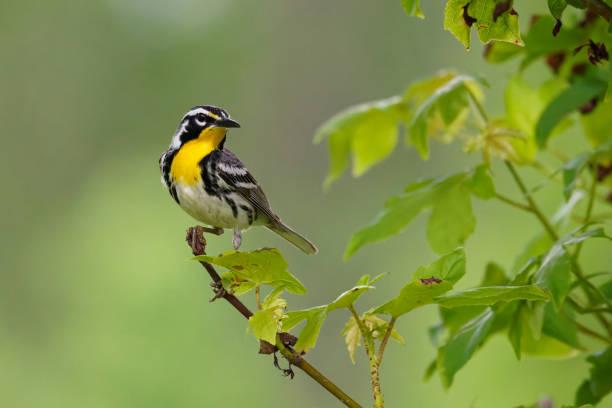
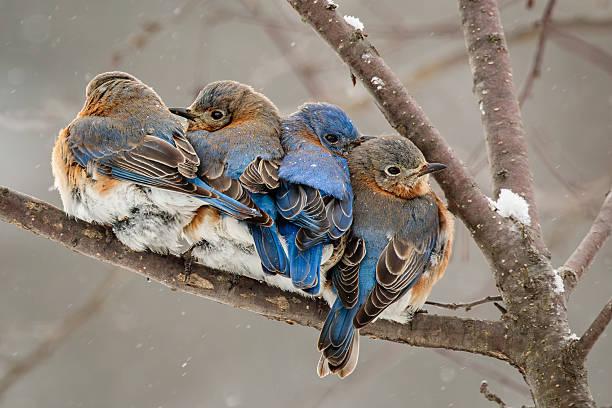
Quick Safari Highlights
Field Notes and Safari Context
A Complete Guide to the Rich Avian Life of the Tanzanian Wilderness Tanzania is one of the most important birdwatching destinations in Africa, with more than 1,100 recorded bird species across its diverse ecosystems. From the open savannahs of the Serengeti to the wetlands of Lake Manyara, the forests of the Eastern Arc Mountains, and the remote swamps of the Rufiji Basin, Tanzania offers an incredible variety of habitats that support both resident and migratory birds throughout the year. Birdlife is an essential part of Tanzania’s ecosystems. Birds control insects, pollinate plants, disperse seeds, and act as indicators of environmental health. For safari travelers, birdwatching adds depth and color to game drives, offering constant movement and sound even when larger mammals are resting.
The Importance of Birds in Tanzania’s Ecosystem Birds play a crucial ecological role in maintaining balance across Tanzania’s landscapes. Many species feed on insects, helping control populations that would otherwise become harmful to vegetation and agriculture. Others, such as hornbills and starlings, help spread seeds across long distances, contributing to forest regeneration and plant diversity. Birds of prey also regulate populations of rodents and smaller animals, ensuring that ecosystems remain stable. Because birds respond quickly to environmental changes, they are also important indicators of habitat health and climate conditions.
Iconic Large Birds of Tanzania
Ostrich The ostrich is the largest bird in the world and a common sight in Tanzania’s open plains. It is a flightless bird adapted for speed on land, capable of running at high speeds to escape predators. Ostriches are often seen in the Serengeti and Ngorongoro plains, where they share habitats with grazing herbivores.
Crowned Crane The grey crowned crane is one of the most elegant birds in East Africa and is also Tanzania’s national bird. It is easily recognized by its golden crown of feathers and graceful movements. Crowned cranes are often found in wetlands, grasslands, and agricultural areas, feeding on insects, seeds, and small invertebrates.
Marabou Stork The marabou stork is a large scavenging bird commonly seen near water sources and in areas where predators are active. Although it may appear unattractive, it plays an important role in cleaning up carcasses and organic waste in the ecosystem.
Secretary Bird The secretary bird is a unique bird of prey that hunts on foot. It is famous for its long legs and ability to strike snakes and small animals with powerful kicks. It is commonly seen in open grasslands and savannahs.
Birds of Prey (Raptors) Tanzania has a rich diversity of raptors that dominate the skies and play a key role in controlling animal populations.
Eagles Species such as the martial eagle and tawny eagle are powerful hunters capable of taking down small antelopes, birds, and reptiles. Eagles are often seen soaring over open plains searching for prey.
Hawks and Kites Hawks and kites are agile hunters that feed on insects, small mammals, and birds. They are commonly seen in both savannah and forest environments.
Vultures Vultures are essential scavengers in the ecosystem. Species such as the white-backed vulture and Rüppell’s griffon vulture feed on carcasses, helping prevent the spread of disease and keeping ecosystems clean.
Wetland and Water Birds Tanzania’s lakes, rivers, and wetlands support a wide variety of water-dependent bird species.
Flamingos Flamingos are among the most iconic birds in Tanzania, especially at Lake Natron and Lake Manyara. They feed on algae and microorganisms, giving lakes their pink coloration.
Herons and Egrets These elegant birds are commonly found along rivers and lakes, feeding on fish, amphibians, and insects in shallow water.
Kingfishers Kingfishers are brightly colored birds known for their precision diving skills. They are often seen perched near water, waiting to catch fish.
Savannah and Grassland Birds The open plains of Tanzania support a wide range of ground-dwelling and grassland birds.
Hornbills Hornbills are large birds with distinctive curved beaks. They are commonly seen in savannah woodlands and play an important role in seed dispersal.
Lapwings and Plovers These ground-nesting birds are common in open areas and wetlands. They are highly alert and often seen running along the ground in search of insects.
Bustards Bustards are large ground birds adapted for life in open grasslands. They are strong walkers and rely on camouflage and vigilance to avoid predators.
Forest Birds of Tanzania Tanzania’s forests, especially in the Eastern Arc Mountains and national parks like Kibale and Udzungwa, support many unique bird species.
Turacos Turacos are colorful forest birds known for their bright green, red, and blue feathers. They are excellent climbers and are often seen moving through dense canopy.
Sunbirds Sunbirds are small, nectar-feeding birds similar to hummingbirds. They are highly active and play a key role in pollination.
African Grey Parrot This intelligent species is known for its ability to mimic sounds and speech. It lives in forested regions and depends on mature trees for nesting.
Migratory Birds in Tanzania Tanzania is also an important destination for migratory birds traveling between Europe, Asia, and Africa. During certain seasons, thousands of birds arrive to take advantage of favorable weather and abundant food resources. These migratory species add to the already rich diversity of resident birds, making Tanzania a year-round birdwatching destination.
Best Places for Birdwatching in Tanzania
Some of the best birding locations include:
- Lake Manyara National Park – flamingos, waterbirds, and forest species
- Serengeti National Park – raptors and savannah birds
- Ngorongoro Conservation Area – highland and grassland species
- Selous (Nyerere National Park) – riverine and wetland birds
- Usambara and Udzungwa Mountains – rare forest species
- Lake Natron – flamingo breeding grounds
Bird Behavior and Adaptations Birds in Tanzania have developed a wide range of adaptations to survive in different environments. Some species are strong fliers capable of long migrations, while others are ground dwellers that rely on camouflage. Many birds have specialized beaks adapted for specific diets, such as nectar feeding, insect hunting, or seed cracking. Social behavior also varies widely, with some species living in large flocks for protection and others being solitary hunters or breeders.
Final Thoughts Bird species in Tanzania represent one of the most diverse and colorful aspects of the country’s wildlife. From massive scavengers in the savannah to tiny nectar-feeding sunbirds in forests, each species plays a unique and important role in maintaining ecological balance. For safari travelers, birdwatching adds a deeper layer of discovery to every journey, revealing a world of constant movement, sound, and color across Tanzania’s varied landscapes.
How Bird Species of Tanzania Fits Into a Tanzania Safari
Bird Species of Tanzania matters because a great Tanzania safari is not only a list of sightings. It is a sequence of landscapes, seasons, guide decisions, comfort choices, and small field moments that shape how the journey feels. This Tanzania birdwatching guide keeps the supplied notes intact and expands them into practical planning advice for travelers comparing routes, timing, accommodation, photography, and guiding style.
Bird-focused travelers should use this guide to slow down the drive, listen more carefully, and connect habitat with behavior. Many of Tanzania’s most rewarding bird sightings happen while other guests are scanning for larger wildlife, so a guide who understands birds can make the whole safari feel richer.
Best Safari Conditions and Viewing Strategy
Field success depends on timing, patience, and interpretation. Early morning gives cooler light, more movement, and better photography. Late afternoon can be excellent for relaxed behavior and softer color. Midday still has value when guests understand shade, water, thermals, migration pressure, or the comfort rhythm of a longer safari day.
- Travel with a guide who can explain habitat, not only identify the subject.
- Keep binoculars or a camera ready before the vehicle stops.
- Watch behavior first, then confirm details such as shape, markings, tracks, calls, or movement.
- Give sightings time. The best moment often happens after the first quick look.
Planning With Tanview Safaris
Tanview Safaris can shape this topic into a route that matches the traveler’s interest. A wildlife-first guest may want slower game drives and more time in open habitats. A photography guest may prefer flexible mornings and better light. A family may need shorter drive sections, clear meal timing, and guides who explain the bush in a warm, patient way. A premium safari may combine stronger guiding with carefully chosen lodges or tented camps that make the day feel calm instead of rushed.
For a stronger plan, connect this guide with Safari Smart Tours, Tanzania Safari Guide, Birdwatching Guide, and Enquiry Now. Those internal resources help turn research into a route, budget, season choice, and booking conversation.
Responsible Safari Notes
Responsible travel protects the experience that visitors come to see. Keep a respectful distance, avoid pressuring guides to disturb wildlife, never feed animals, and treat sensitive habitats carefully. Ethical viewing also improves the quality of the sighting: relaxed wildlife behaves naturally, photographs look better, and the guide can explain the scene without rushing.
How to Combine This With a Wider Route
Most travelers get the best value when this topic is not treated as a stand-alone idea, but as part of a wider route. A northern Tanzania safari can combine Tarangire, Lake Manyara, Ngorongoro, Serengeti, Arusha, village experiences, waterfalls, cultural stops, and specialist wildlife interests in one smooth plan. The right order matters because it affects drive time, fatigue, photography light, and how naturally the trip builds from arrival to the final day.
When guests contact Tanview Safaris, the most useful details are travel month, number of days, comfort level, special interests, mobility needs, and whether the trip should feel adventurous, quiet, family-friendly, romantic, or photography-led. With those details, the team can recommend which experiences deserve a full day, which work best as a short stop, and which should be avoided in the wrong season.
This is also where honest planning helps most. Some experiences look simple on paper but depend on road condition, recent weather, local access, daylight, and how much energy guests have after previous safari days. A well-built itinerary leaves enough breathing room for the experience to feel memorable instead of squeezed between transfers.
Questions to Ask Before You Travel
- Which park, route, or lodge area gives the strongest chance for this interest?
- How much time should be allowed so the experience does not feel rushed?
- What season gives the best balance of weather, wildlife, cost, and comfort?
- Which guide skills, vehicle setup, and accommodation style will improve the day?
FAQ About Bird Species of Tanzania
Is Bird Species of Tanzania useful when planning a Tanzania safari?
Yes. This guide gives travelers a focused way to understand the topic before choosing dates, routes, guiding style, and the pace of the safari.
Can Tanview Safaris include this interest in a custom itinerary?
Yes. Guests can mention this interest during the enquiry stage so the team can suggest suitable parks, timing, lodges, and drive structure.
Does this guide include the supplied PDF information?
Yes. The article uses the supplied notes and images, then adds practical Tanzania safari context so the page is helpful for both readers and search engines.
What should I ask before booking?
Ask about the best season, realistic viewing chances, drive length, guide expertise, photography needs, accommodation style, and how this topic fits with the wider safari route.