

Tanzania birdwatching guide
African Fish Eagle Guide
The Iconic Voice and Hunter of Tanzania’s Waterways
African Fish Eagle Images


Quick Safari Highlights
Field Notes and Safari Context
The Iconic Voice and Hunter of Tanzania’s Waterways The African fish eagle is one of the most famous and powerful birds of prey in Tanzania. Known for its piercing call and dramatic hunting style, it is often seen perched high on trees overlooking lakes, rivers, and wetlands. It is a symbol of Africa’s freshwater ecosystems and one of the most recognizable eagles in the world. The species found in Tanzania is the African fish eagle, a top predator perfectly adapted for catching fish in open water systems. What Is the African Fish Eagle? The African fish eagle is a large raptor belonging to the eagle family. It is specifically adapted to hunt fish, making it one of the most specialized birds of prey in Africa. It is often called the “voice of Africa” because of its loud, distinctive call that echoes across lakes and rivers. This call is one of the most iconic sounds of the African wilderness. In Tanzania, it is commonly found near major water bodies where fish are abundant.
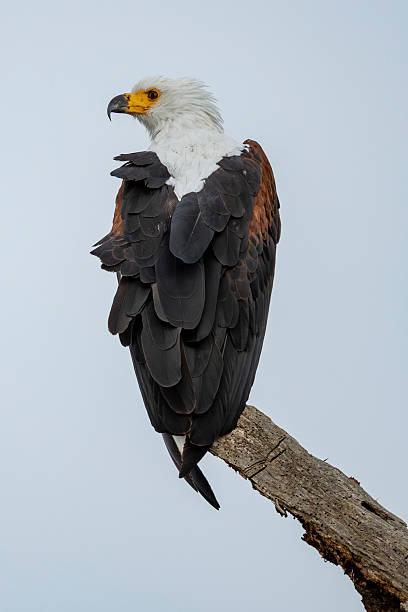
Appearance and Identification The African fish eagle has a striking and powerful appearance. Its body is mostly dark brown, with a bright white head, chest, and tail that make it easy to recognize even from a distance.
Key features include:
- White head and chest contrasting with dark body
- Strong yellow hooked beak
- Powerful talons for catching fish
- Broad wings for soaring
- Sharp yellow eyes adapted for spotting prey
When in flight, it glides gracefully over water, scanning for movement below the surface.
Habitat in Tanzania The African fish eagle is always associated with large bodies of water where fish are plentiful.
It is commonly found in:
- Large lakes and reservoirs
- Rivers and river deltas
- Wetlands and floodplains
- Coastal lagoons and estuaries
- Protected water systems in national parks
In Tanzania, it is frequently seen at Lake Victoria, Lake Tanganyika shores, Lake Manyara, Nyerere National Park, Tarangire River, and Serengeti river systems.
Feeding Behavior The African fish eagle is a specialized fish hunter and one of the most efficient predators in aquatic ecosystems.
Its hunting method includes:
- Perching on tall trees near water
- Scanning the surface for fish movement
- Diving or swooping down at high speed
- Grabbing fish with strong talons
- Carrying prey back to a perch to eat
Its diet consists mainly of:
- Fish (primary food source)
- Occasionally water birds
- Small reptiles and amphibians
- Carrion when fish are scarce
It is highly skilled and rarely misses its target.
Behavior in the Wild African fish eagles are often seen alone or in pairs. They are territorial birds, especially around prime fishing areas. They are most active during daylight hours, particularly early morning and late afternoon when fish are easier to catch. One of their most famous behaviors is their loud, haunting call, often heard during territorial displays or communication between mates.
Breeding and Nesting African fish eagles form strong pair bonds and often mate for life. They build large nests made of sticks, usually in tall trees near water. These nests are reused and expanded each year, sometimes becoming very large over time. The female lays one to three eggs, and both parents share incubation and chick-rearing duties. Chicks remain dependent for several months before becoming independent.
Role in the Ecosystem The African fish eagle is a top predator in freshwater ecosystems. By feeding on fish, it helps regulate aquatic populations and maintain ecological balance. It is also an indicator of healthy water systems, as it requires clean, fish-rich environments to survive. Its presence often signals a thriving wetland or lake ecosystem.
Adaptations for Survival
The African fish eagle has several key adaptations:
- Sharp talons for catching slippery fish
- Excellent eyesight for spotting prey from above
- Strong wings for soaring over water
- Hooked beak for tearing flesh
- Perching behavior for energy-efficient hunting
These traits make it one of the most efficient fish-eating raptors in Africa.
Best Places to See African Fish Eagle in Tanzania This species is widespread and relatively easy to observe near water bodies.
Top locations include:
- Lake Victoria – shoreline territories and fishing areas
- Lake Tanganyika – cliffs and lakeside trees
- Lake Manyara National Park – lake edges and wetlands
- Nyerere National Park (Selous) – river systems
- Tarangire National Park – riverine habitats
Final Thoughts The African fish eagle is one of Tanzania’s most iconic birds of prey, admired for its beauty, power, and unforgettable call. It plays a vital role in freshwater ecosystems and is a symbol of Africa’s wild waterways. Whether soaring above lakes or perched silently watching for fish, it represents the strength and balance of Tanzania’s rich aquatic environments.
How African Fish Eagle Fits Into a Tanzania Safari
African Fish Eagle matters because a great Tanzania safari is not only a list of sightings. It is a sequence of landscapes, seasons, guide decisions, comfort choices, and small field moments that shape how the journey feels. This Tanzania birdwatching guide keeps the supplied notes intact and expands them into practical planning advice for travelers comparing routes, timing, accommodation, photography, and guiding style.
Bird-focused travelers should use this guide to slow down the drive, listen more carefully, and connect habitat with behavior. Many of Tanzania’s most rewarding bird sightings happen while other guests are scanning for larger wildlife, so a guide who understands birds can make the whole safari feel richer.
Best Safari Conditions and Viewing Strategy
Field success depends on timing, patience, and interpretation. Early morning gives cooler light, more movement, and better photography. Late afternoon can be excellent for relaxed behavior and softer color. Midday still has value when guests understand shade, water, thermals, migration pressure, or the comfort rhythm of a longer safari day.
- Travel with a guide who can explain habitat, not only identify the subject.
- Keep binoculars or a camera ready before the vehicle stops.
- Watch behavior first, then confirm details such as shape, markings, tracks, calls, or movement.
- Give sightings time. The best moment often happens after the first quick look.
Planning With Tanview Safaris
Tanview Safaris can shape this topic into a route that matches the traveler’s interest. A wildlife-first guest may want slower game drives and more time in open habitats. A photography guest may prefer flexible mornings and better light. A family may need shorter drive sections, clear meal timing, and guides who explain the bush in a warm, patient way. A premium safari may combine stronger guiding with carefully chosen lodges or tented camps that make the day feel calm instead of rushed.
For a stronger plan, connect this guide with Safari Smart Tours, Tanzania Safari Guide, Birdwatching Guide, and Enquiry Now. Those internal resources help turn research into a route, budget, season choice, and booking conversation.
Responsible Safari Notes
Responsible travel protects the experience that visitors come to see. Keep a respectful distance, avoid pressuring guides to disturb wildlife, never feed animals, and treat sensitive habitats carefully. Ethical viewing also improves the quality of the sighting: relaxed wildlife behaves naturally, photographs look better, and the guide can explain the scene without rushing.
How to Combine This With a Wider Route
Most travelers get the best value when this topic is not treated as a stand-alone idea, but as part of a wider route. A northern Tanzania safari can combine Tarangire, Lake Manyara, Ngorongoro, Serengeti, Arusha, village experiences, waterfalls, cultural stops, and specialist wildlife interests in one smooth plan. The right order matters because it affects drive time, fatigue, photography light, and how naturally the trip builds from arrival to the final day.
When guests contact Tanview Safaris, the most useful details are travel month, number of days, comfort level, special interests, mobility needs, and whether the trip should feel adventurous, quiet, family-friendly, romantic, or photography-led. With those details, the team can recommend which experiences deserve a full day, which work best as a short stop, and which should be avoided in the wrong season.
This is also where honest planning helps most. Some experiences look simple on paper but depend on road condition, recent weather, local access, daylight, and how much energy guests have after previous safari days. A well-built itinerary leaves enough breathing room for the experience to feel memorable instead of squeezed between transfers.
Questions to Ask Before You Travel
- Which park, route, or lodge area gives the strongest chance for this interest?
- How much time should be allowed so the experience does not feel rushed?
- What season gives the best balance of weather, wildlife, cost, and comfort?
- Which guide skills, vehicle setup, and accommodation style will improve the day?
FAQ About African Fish Eagle
Is African Fish Eagle useful when planning a Tanzania safari?
Yes. This guide gives travelers a focused way to understand the topic before choosing dates, routes, guiding style, and the pace of the safari.
Can Tanview Safaris include this interest in a custom itinerary?
Yes. Guests can mention this interest during the enquiry stage so the team can suggest suitable parks, timing, lodges, and drive structure.
Does this guide include the supplied PDF information?
Yes. The article uses the supplied notes and images, then adds practical Tanzania safari context so the page is helpful for both readers and search engines.
What should I ask before booking?
Ask about the best season, realistic viewing chances, drive length, guide expertise, photography needs, accommodation style, and how this topic fits with the wider safari route.