Use this tanview trip planning process guide to show how the first inquiry becomes a route that actually fits the traveler, with practical about tanview planning advice from Tanview Safaris.
Why this matters
Tanview Trip Planning Process: How a Custom Safari Gets Built matters because travelers often make better decisions when they frame the topic around show how the first inquiry becomes a route that actually fits the traveler rather than treating it like a small side detail. In practice, this affects how the whole trip feels once the route is live.
For Tanview Safaris, the stronger planning question is not simply whether tanview trip planning process sounds useful. It is whether the choice supports operator fit, planning flow, local support, route pacing, and the difference between generic packages and a custom safari and still fits the wider Tanzania itinerary cleanly.
What to plan around
- Start by clarifying operator fit, planning flow, and support quality before you lock the rest of the trip.
- Use show how the first inquiry becomes a route that actually fits the traveler as the lens instead of judging the topic by headline appeal alone.
- Check how this decision affects the wider route, not only the single day or stay being discussed.
- Ask whether the choice supports the pace and style the traveler actually wants from Tanzania.
How to make the decision easier
A cleaner way to think about tanview trip planning process is to start with traveler fit, then check timing, movement, and comfort, and only after that compare suppliers or named places. That sequence normally leads to a stronger result than copying someone else's route or following the loudest generic advice.
When Tanview helps with this kind of planning, the goal is to turn show how the first inquiry becomes a route that actually fits the traveler into a practical choice that supports the wider trip, not to make the traveler carry unnecessary complexity on their own.
Common mistakes travelers make
The most common mistake is treating every safari operator as interchangeable and comparing only the headline price. The result is usually a route that looks acceptable on paper but creates friction once transfers, timing, energy, or expectations start to matter on the ground.
A better approach is to keep the wider itinerary in view and ask what this topic changes for comfort, value, and trip flow. That is usually where the real decision becomes clearer.
Frequently asked questions
Who is this guide most useful for?
It is most useful for travelers trying to understand how Tanview actually works before they book and who want clearer thinking on tanview trip planning process before they commit.
What should travelers decide first about tanview trip planning process?
They should decide around operator fit, planning flow, and support quality first, because that usually shapes the stronger version of the trip.
What mistake matters most here?
The biggest mistake is usually treating every safari operator as interchangeable and comparing only the headline price, especially when show how the first inquiry becomes a route that actually fits the traveler.
Related reading
If you want to connect tanview trip planning process to the rest of the itinerary, these pages are the best next step.
- About Tanview Safaris: See the wider company story and positioning.
- Contact Tanview Safaris: Use direct contact when you want route feedback or a quote review.
- Book Your Tanzania Safari: Move from background reading into a tailored inquiry.
Need help applying this to your own trip?
Tanview Safaris can help you turn this decision into a route that feels coherent from arrival to departure. If you already know your dates, budget, or preferred trip style, the local team can sense-check the plan before you book.
You can move straight to a tailored inquiry or use direct contact if you want a faster planning conversation.

Deeper planning notes for Tanview Trip Planning Process: How a Custom Safari Gets Built
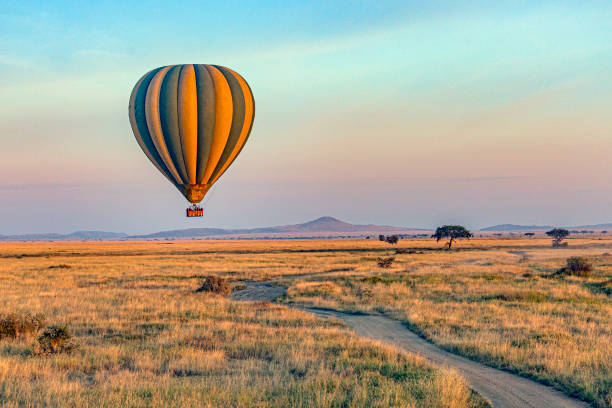
A Tanzania safari is best understood as a route decision, not only a list of animals. Official tourism material groups Tanzania around safari wildlife, parks, beaches, romance and adventure, which means a good itinerary should connect wildlife viewing with season, distance, lodge style and the traveler’s pace. The practical question is not simply whether Tanzania is good for safari; it is which park combination gives the right balance of big landscapes, reliable wildlife, road time and rest.
Tanview Trip Planning Process: How a Custom Safari Gets Built should answer the questions a traveler is likely to have before speaking to a safari planner: when to go, how many nights to allow, where the experience fits in a route, what can change by season and what trade-offs affect comfort. That is why the post should connect the main idea to real Tanzania logistics instead of staying at headline level.
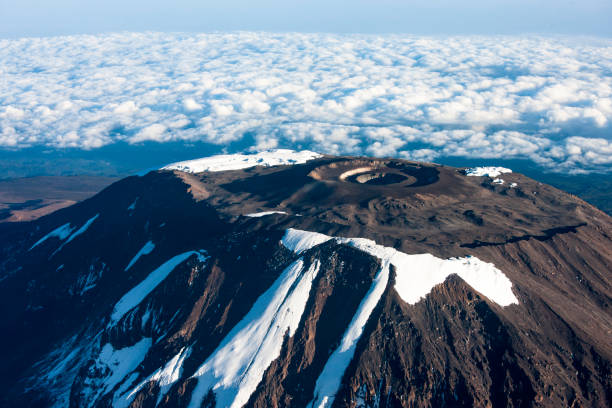
For a northern Tanzania safari, the most common planning anchors are Serengeti, Ngorongoro, Tarangire, Lake Manyara and Arusha. For coastal or post-safari travel, Zanzibar becomes important because beach recovery, tides, flight timing and hotel location can change the rhythm of the trip. For mountain or culture-focused travel, timing, physical effort and local etiquette become just as important as scenery.
The official Tanzania tourism ecosystem is useful because it separates experiences into wildlife, parks, beaches, culture, adventure and heritage. A traveler reading this post should understand which of those categories the topic belongs to and how it works inside a real itinerary. A private safari is often strongest when the route is built around fewer rushed moves, better game-drive timing and clear expectations for each day.
Season is also important. Dry months usually make wildlife easier to read around water sources and open roads, while green months can bring softer scenery, young animals, birding interest and fewer vehicles in some areas. Migration-focused posts need month-by-month thinking; Zanzibar posts need coast and weather thinking; Kilimanjaro posts need altitude and acclimatization thinking. The right answer depends on the travel goal, not a single generic best month.
Accommodation level changes the experience as much as the park list. Budget, mid-range and luxury safaris can visit similar areas, but they differ in location, guiding rhythm, meal style, privacy, transfer pressure and the amount of recovery time after long drives. A strong itinerary protects the best hours of the day for wildlife, avoids unnecessary backtracking and gives guests enough time to enjoy the places they paid to reach.
For families, honeymooners and first-time visitors, the most valuable advice is often about pacing. One more park is not always better if it creates a rushed route. A slower plan with stronger guiding, better lodge placement and enough rest can feel more premium than a longer checklist. The same principle applies to Zanzibar: choosing the right coast and number of nights matters more than simply adding the island at the end.
Responsible travel should also be part of the decision. Protected areas in Tanzania are managed through official park and conservation systems, and visitors should respect rules around wildlife distance, off-road driving, drones, waste, cultural photography and community interaction. Good safari planning helps travelers enjoy the destination while supporting the long-term value of the parks, conservation areas and local communities that make the journey possible.
Official sources used for planning context
These links point to official Tanzania tourism, national park, conservation or heritage sources so the advice is connected to real destination information.
Useful Tanview links
Continue from this guide into related Tanview planning pages so the topic connects naturally with a real safari enquiry.