
Direct answer: A Tanzania safari in March can be very rewarding for travelers who like green landscapes, fewer crowds, and seasonal wildlife context. March can bring rain, but it can also offer strong southern Serengeti and Ndutu interest, softer light, and better value than peak dry-season months.
March is often misunderstood. It is not the safest month for every traveler, but it can be excellent when the route is designed around weather, road conditions, and wildlife movement.
Tanzania safari in March at a glance
| Factor | What to expect | Planning advice |
|---|---|---|
| Weather | Possible rain and green landscapes | Use flexible routing and good vehicles. |
| Wildlife | Good general viewing with southern Serengeti interest | Match the route to current conditions. |
| Crowds | Usually lower than peak dry season | Good for travelers who dislike busy routes. |
| Value | Can be better than high season | Compare lodge offers carefully. |
Is March a good time for Tanzania safari?
March can be a good time if you accept some rain risk. The landscapes are often lush, wildlife photography can be beautiful, and some areas feel quieter than the busiest safari months.
Best places for March safari
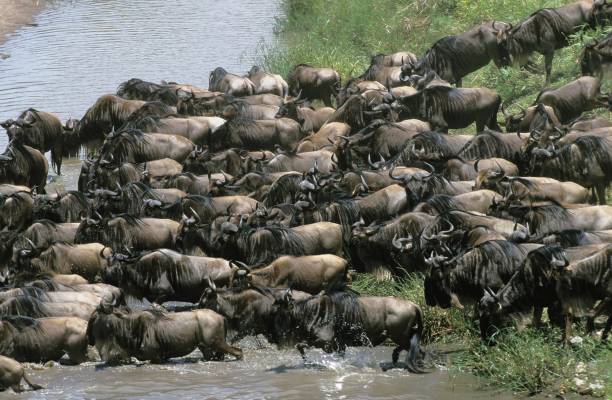
- Southern Serengeti and Ndutu: Useful for calving-season context when timing fits.
- Ngorongoro Crater: Strong year-round wildlife density.
- Tarangire: Can work, though dry-season elephant concentrations are stronger later in the year.
- Serengeti: Region choice matters more than simply saying ???Serengeti.???
Who should choose March?
March suits flexible travelers, photographers, repeat safari guests, and people looking for green-season atmosphere. It may not suit travelers who want the driest possible weather or who are uncomfortable with muddy roads.
Featured snippet answer
March can be a good month for a Tanzania safari if you are comfortable with possible rain. It offers green scenery, fewer crowds, potential southern Serengeti interest, and good value, but routes should be planned carefully around weather and road conditions.
Frequently asked questions
Does it rain in Tanzania in March?
Yes, rain is possible in March. It usually does not ruin every safari day, but it can affect roads and timing.
Is March good for Serengeti?
March can be good for southern Serengeti and Ndutu depending on rainfall and herd movement. Region choice is important.
Is March cheaper for safari?
March can offer better value than peak dry-season months, but pricing depends on lodge choice, route, and availability.
What should I pack for March safari?
Pack lightweight layers, a rain jacket, comfortable shoes, sun protection, and practical luggage. See the Tanzania safari packing list for details.
Related safari guides
Plan your March safari
To check whether March fits your travel style, send Tanview Safaris an enquiry with your dates and preferred comfort level.
March Safari Planning Links
March is a planning month where expectations matter. The safari can be excellent for green landscapes, calving-season wildlife, and value, but the best route should consider rain, road conditions, lodge locations, and how much Serengeti time you want.
- Wildebeest migration in Serengeti for seasonal movement and calving context.
- Tanzania safari cost for how green-season pricing and lodge level affect the budget.
- Tanzania safari and Zanzibar cost if March is part of a safari-and-beach holiday.

Deeper planning notes for Tanzania Safari in March: Weather, Wildlife, Green Season and Costs
Safari cost articles should explain the variables behind the price instead of only giving a number. The largest drivers are private versus group operation, park fees, conservation fees, lodge level, vehicle days, guide quality, domestic flights, season and whether Zanzibar or Kilimanjaro extensions are included. A trustworthy cost post helps the reader understand what changes the budget and what should not be sacrificed.
Tanzania Safari in March: Weather, Wildlife, Green Season and Costs should answer the questions a traveler is likely to have before speaking to a safari planner: when to go, how many nights to allow, where the experience fits in a route, what can change by season and what trade-offs affect comfort. That is why the post should connect the main idea to real Tanzania logistics instead of staying at headline level.
For a northern Tanzania safari, the most common planning anchors are Serengeti, Ngorongoro, Tarangire, Lake Manyara and Arusha. For coastal or post-safari travel, Zanzibar becomes important because beach recovery, tides, flight timing and hotel location can change the rhythm of the trip. For mountain or culture-focused travel, timing, physical effort and local etiquette become just as important as scenery.
The official Tanzania tourism ecosystem is useful because it separates experiences into wildlife, parks, beaches, culture, adventure and heritage. A traveler reading this post should understand which of those categories the topic belongs to and how it works inside a real itinerary. A private safari is often strongest when the route is built around fewer rushed moves, better game-drive timing and clear expectations for each day.
Season is also important. Dry months usually make wildlife easier to read around water sources and open roads, while green months can bring softer scenery, young animals, birding interest and fewer vehicles in some areas. Migration-focused posts need month-by-month thinking; Zanzibar posts need coast and weather thinking; Kilimanjaro posts need altitude and acclimatization thinking. The right answer depends on the travel goal, not a single generic best month.
Accommodation level changes the experience as much as the park list. Budget, mid-range and luxury safaris can visit similar areas, but they differ in location, guiding rhythm, meal style, privacy, transfer pressure and the amount of recovery time after long drives. A strong itinerary protects the best hours of the day for wildlife, avoids unnecessary backtracking and gives guests enough time to enjoy the places they paid to reach.
For families, honeymooners and first-time visitors, the most valuable advice is often about pacing. One more park is not always better if it creates a rushed route. A slower plan with stronger guiding, better lodge placement and enough rest can feel more premium than a longer checklist. The same principle applies to Zanzibar: choosing the right coast and number of nights matters more than simply adding the island at the end.
Responsible travel should also be part of the decision. Protected areas in Tanzania are managed through official park and conservation systems, and visitors should respect rules around wildlife distance, off-road driving, drones, waste, cultural photography and community interaction. Good safari planning helps travelers enjoy the destination while supporting the long-term value of the parks, conservation areas and local communities that make the journey possible.
Use this post as a planning starting point, then match the advice to your month of travel, group size, budget level and preferred pace. Tanview Safaris can turn the topic into a practical route by checking current access, lodge availability, flight logic and how the experience connects with the rest of your Tanzania safari.
Official sources used for planning context
These links point to official Tanzania tourism, national park, conservation or heritage sources so the advice is connected to real destination information.
Useful Tanview links
Continue from this guide into related Tanview planning pages so the topic connects naturally with a real safari enquiry.