Tanzania safari planning guide
Safari Park Fees in Tanzania Guide
Understanding Safari Park Fees in Tanzania
Safari Park Fees in Tanzania Images
Quick Safari Highlights
Field Notes and Safari Context
Understanding Safari Park Fees in Tanzania Safari park fees are one of the most important parts of planning a safari in Tanzania. These fees are charged to travelers visiting national parks, conservation areas, and wildlife reserves across the country. Park fees help support wildlife conservation, environmental protection, park management, tourism infrastructure, and community development connected to protected areas. Tanzania is home to some of Africa’s most famous safari destinations, including Serengeti National Park, Ngorongoro Crater, Tarangire National Park, Lake Manyara National Park, Ruaha National Park, and Nyerere National Park. Every park has its own entrance fees and conservation charges depending on the location, popularity, and type of safari activities offered. For most travelers, park fees are included within safari package prices arranged by safari operators. However, understanding how park fees work helps travelers better understand safari pricing and how conservation tourism supports Tanzania’s wildlife and natural heritage.
Why Park Fees Are Important Park fees play a major role in protecting Tanzania’s wildlife and natural ecosystems. The money collected from tourism helps maintain roads, support anti-poaching programs, protect endangered animals, preserve habitats, and improve visitor services inside national parks and conservation areas. These fees also support local communities living near protected areas through conservation partnerships, employment opportunities, education programs, and sustainable tourism initiatives. By paying park fees, travelers directly contribute to wildlife conservation and responsible tourism efforts that help preserve Tanzania’s incredible natural beauty for future generations. For many visitors, knowing their safari contributes to conservation creates a deeper appreciation for the overall safari experience.
Different Types of Safari Park Fees Safari park fees in Tanzania usually include several categories depending on the destination and safari activities involved. The most common fee is the park entrance fee, which allows travelers to enter and explore national parks or conservation areas for a specific period of time.
Some destinations may also include:
- Conservation fees
- Crater service fees
- Camping fees
- Vehicle entry fees
- Walking safari fees
- Special activity permits
- Transit fees for passing through protected areas
Certain parks and conservation areas also charge separate fees for activities such as night game drives, walking safaris, cultural visits, or hot air balloon safaris.
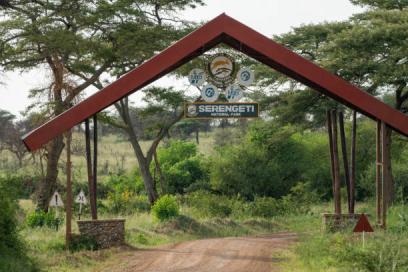
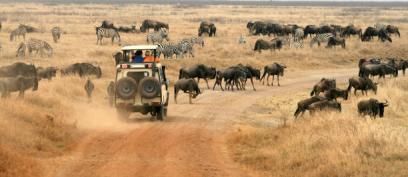
Serengeti National Park Fees Serengeti National Park is one of Tanzania’s most famous safari destinations and attracts travelers from around the world because of its incredible wildlife and the Great Wildebeest Migration. Because of its global popularity and conservation importance, Serengeti park fees are among the highest in Tanzania. These fees help maintain the park’s vast ecosystem, wildlife protection programs, tourism infrastructure, and conservation efforts. Although the costs may seem high, many travelers consider Serengeti’s wildlife experiences truly unforgettable and worth the investment. Visitors to Serengeti often enjoy sightings of lions, elephants, cheetahs, leopards, giraffes, wildebeest, zebras, and countless other wildlife species across endless open plains and beautiful landscapes.
Ngorongoro Crater Conservation Fees Ngorongoro Crater is another world-famous safari destination in Tanzania known for its breathtaking scenery and dense wildlife population. In addition to park entry fees, travelers visiting Ngorongoro Crater often pay separate crater service fees because of the special conservation management required for the crater ecosystem. The Ngorongoro Conservation Area is unique because it combines wildlife conservation with local Maasai community activities and cultural preservation. Fees collected from tourism help support both environmental conservation and local community development within the region. For many travelers, descending into the Ngorongoro Crater becomes one of the most memorable moments of their African safari adventure.
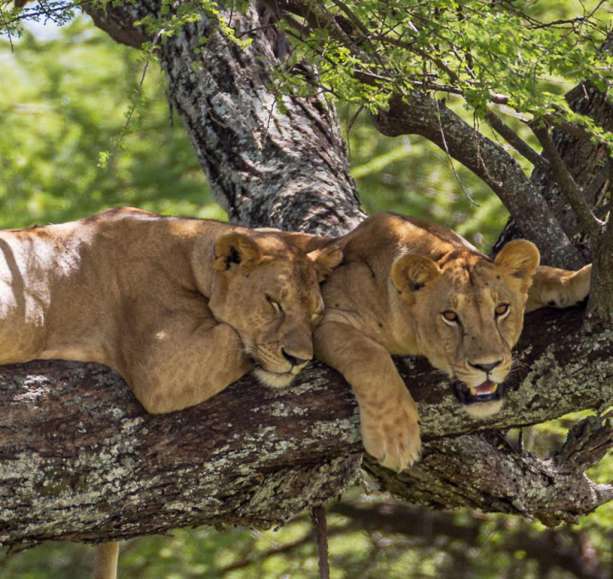
Tarangire and Lake Manyara Park Fees Tarangire National Park and Lake Manyara National Park are also popular safari destinations in Tanzania’s northern safari circuit. Park fees for these destinations are generally lower compared to Serengeti and Ngorongoro, making them attractive options for travelers seeking excellent wildlife experiences with slightly lower safari costs. Tarangire is especially famous for its large elephant populations and iconic baobab trees, while Lake Manyara is known for its scenic beauty, birdlife, and tree-climbing lions. Both parks offer incredible wildlife experiences and are often included in multi-day safari itineraries across northern Tanzania.
Southern and Western Tanzania Park Fees Southern and western Tanzania safari destinations such as Ruaha National Park, Nyerere National Park, Mahale Mountains National Park, and Katavi National Park may have different fee structures depending on accessibility, remoteness, and safari activities available. These remote destinations often provide more exclusive safari experiences with fewer crowds and untouched wilderness environments. Some parks may require additional costs for domestic flights or specialized safari arrangements due to their remote locations. Although travel expenses to these areas can be higher, many experienced safari travelers choose southern and western Tanzania for their authentic wilderness atmosphere and exceptional wildlife experiences.
Seasonal Changes in Park Fees In some cases, park fees may vary depending on the season, visitor nationality, age category, or residency status. International travelers, East African residents, children, and local citizens often have different pricing categories within Tanzania’s national park system. Peak tourism seasons may also influence accommodation pricing and safari package costs, although many official park entrance fees remain relatively stable throughout the year. Travelers are encouraged to confirm updated fee structures with safari operators before booking because conservation fees and government regulations may occasionally change.
Park Fees and Safari Packages Most safari companies include park fees within their safari package prices to simplify travel planning for visitors. This allows travelers to enjoy the safari experience without worrying about handling individual payments at every destination. However, travelers should always ask safari operators to clearly explain what is included in the package price. Some safari packages may exclude optional activities, special permits, or additional conservation charges that travelers may need to pay separately during the trip. Understanding these details helps travelers avoid unexpected expenses and plan their safari budget more accurately.
Conservation Through Tourism One of the most important benefits of safari park fees is their contribution to conservation and sustainable tourism in Tanzania. Tourism revenue supports wildlife protection, habitat preservation, environmental education, and responsible tourism development across the country. Many national parks and conservation organizations rely heavily on tourism income to continue protecting endangered species and maintaining healthy ecosystems. Responsible tourism helps ensure that Tanzania’s incredible wildlife and landscapes remain protected for future generations to experience and enjoy. For many travelers, participating in safaris becomes more meaningful knowing their visit supports conservation and environmental sustainability.
Final Thoughts Safari park fees are an essential part of every safari experience in Tanzania because they support wildlife conservation, environmental protection, tourism management, and local communities connected to protected areas. Although park fees contribute significantly to overall safari costs, they also help preserve some of Africa’s most extraordinary wildlife destinations. From the endless plains of Serengeti National Park to the breathtaking Ngorongoro Crater and the remote wilderness of southern Tanzania, every park fee contributes to protecting Tanzania’s natural heritage and creating unforgettable safari experiences for travelers from around the world. For visitors seeking adventure, wildlife, nature, and authentic African experiences, Tanzania’s safari parks remain among the most rewarding and inspiring destinations on Earth.
How Safari Park Fees in Tanzania Fits Into a Tanzania Safari
Safari Park Fees in Tanzania matters because a great Tanzania safari is not only a list of sightings. It is a sequence of landscapes, seasons, guide decisions, comfort choices, and small field moments that shape how the journey feels. This Tanzania safari planning guide keeps the supplied notes intact and expands them into practical planning advice for travelers comparing routes, timing, accommodation, photography, and guiding style.
Travelers planning a safari should use this guide to understand tradeoffs before choosing dates, budget, comfort level, and route pace. The best safari is the one that matches the guest’s real expectations, not only the most famous itinerary name.
Best Safari Conditions and Viewing Strategy
Field success depends on timing, patience, and interpretation. Early morning gives cooler light, more movement, and better photography. Late afternoon can be excellent for relaxed behavior and softer color. Midday still has value when guests understand shade, water, thermals, migration pressure, or the comfort rhythm of a longer safari day.
- Travel with a guide who can explain habitat, not only identify the subject.
- Keep binoculars or a camera ready before the vehicle stops.
- Watch behavior first, then confirm details such as shape, markings, tracks, calls, or movement.
- Give sightings time. The best moment often happens after the first quick look.
Planning With Tanview Safaris
Tanview Safaris can shape this topic into a route that matches the traveler’s interest. A wildlife-first guest may want slower game drives and more time in open habitats. A photography guest may prefer flexible mornings and better light. A family may need shorter drive sections, clear meal timing, and guides who explain the bush in a warm, patient way. A premium safari may combine stronger guiding with carefully chosen lodges or tented camps that make the day feel calm instead of rushed.
For a stronger plan, connect this guide with Safari Smart Tours, Tanzania Safari Guide, Birdwatching Guide, and Enquiry Now. Those internal resources help turn research into a route, budget, season choice, and booking conversation.
Responsible Safari Notes
Responsible travel protects the experience that visitors come to see. Keep a respectful distance, avoid pressuring guides to disturb wildlife, never feed animals, and treat sensitive habitats carefully. Ethical viewing also improves the quality of the sighting: relaxed wildlife behaves naturally, photographs look better, and the guide can explain the scene without rushing.
How to Combine This With a Wider Route
Most travelers get the best value when this topic is not treated as a stand-alone idea, but as part of a wider route. A northern Tanzania safari can combine Tarangire, Lake Manyara, Ngorongoro, Serengeti, Arusha, village experiences, waterfalls, cultural stops, and specialist wildlife interests in one smooth plan. The right order matters because it affects drive time, fatigue, photography light, and how naturally the trip builds from arrival to the final day.
When guests contact Tanview Safaris, the most useful details are travel month, number of days, comfort level, special interests, mobility needs, and whether the trip should feel adventurous, quiet, family-friendly, romantic, or photography-led. With those details, the team can recommend which experiences deserve a full day, which work best as a short stop, and which should be avoided in the wrong season.
This is also where honest planning helps most. Some experiences look simple on paper but depend on road condition, recent weather, local access, daylight, and how much energy guests have after previous safari days. A well-built itinerary leaves enough breathing room for the experience to feel memorable instead of squeezed between transfers.
Questions to Ask Before You Travel
- Which park, route, or lodge area gives the strongest chance for this interest?
- How much time should be allowed so the experience does not feel rushed?
- What season gives the best balance of weather, wildlife, cost, and comfort?
- Which guide skills, vehicle setup, and accommodation style will improve the day?
FAQ About Safari Park Fees in Tanzania
Is Safari Park Fees in Tanzania useful when planning a Tanzania safari?
Yes. This guide gives travelers a focused way to understand the topic before choosing dates, routes, guiding style, and the pace of the safari.
Can Tanview Safaris include this interest in a custom itinerary?
Yes. Guests can mention this interest during the enquiry stage so the team can suggest suitable parks, timing, lodges, and drive structure.
Does this guide include the supplied PDF information?
Yes. The article uses the supplied notes and images, then adds practical Tanzania safari context so the page is helpful for both readers and search engines.
What should I ask before booking?
Ask about the best season, realistic viewing chances, drive length, guide expertise, photography needs, accommodation style, and how this topic fits with the wider safari route.