Tanzania safari planning guide
Safari Low Season in Tanzania Guide
Understanding Tanzania’s Safari Low Season
Safari Low Season in Tanzania Images

Quick Safari Highlights
Field Notes and Safari Context
Understanding Tanzania’s Safari Low Season Safari low season in Tanzania offers travelers a unique opportunity to experience Africa’s incredible wilderness in a quieter, greener, and often more affordable way. While many visitors prefer peak safari seasons for dry weather and concentrated wildlife viewing, low season safaris provide their own special advantages that attract photographers, nature lovers, budget travelers, honeymoon couples, and travelers seeking peaceful safari experiences away from large tourist crowds. The low season in Tanzania is often associated with the green or rainy season when landscapes become lush and vibrant after seasonal rains. During this period, national parks transform into beautiful green environments filled with fresh vegetation, dramatic skies, colorful sunsets, and active birdlife. Although some travelers worry about rain during low season safaris, many experienced safari visitors consider this one of the most rewarding times to explore Tanzania’s natural beauty.
Lower Safari Costs and Better Value One of the biggest advantages of traveling during the safari low season is reduced travel costs. Many safari lodges, tented camps, and tour operators offer lower prices during quieter months because there are fewer international visitors compared to peak seasons. Travelers often find discounted accommodation rates, reduced safari package prices, and better availability in some of Tanzania’s most beautiful safari lodges and camps. This allows visitors to enjoy high-quality safari experiences at more affordable prices while still experiencing extraordinary wildlife and scenery. For travelers with flexible schedules, low season safaris provide excellent value because they can experience luxury or mid-range safari accommodations at significantly lower costs than during peak tourist months.
Fewer Crowds and Peaceful Safari Experiences Another major benefit of Tanzania’s safari low season is the reduced number of tourists inside national parks and safari areas. Popular destinations such as Serengeti National Park, Ngorongoro Crater, Tarangire National Park, and Lake Manyara often feel quieter and more peaceful during this time. Game drives become more relaxed because there are fewer safari vehicles around wildlife sightings, allowing travelers to enjoy more intimate wildlife encounters and uninterrupted photography opportunities. Many visitors appreciate the calm atmosphere and sense of exclusivity created by quieter parks and less crowded lodges. For honeymoon travelers, photographers, and nature lovers, this peaceful safari environment often becomes one of the most memorable parts of the journey.
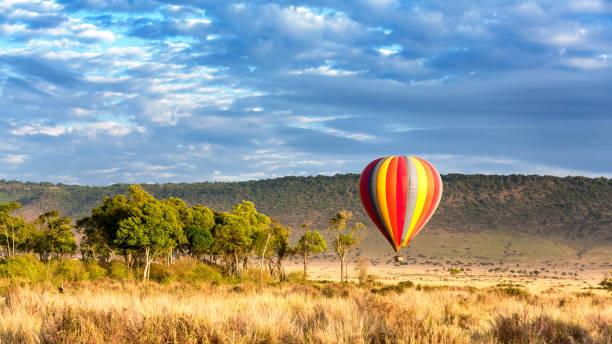
Beautiful Green Landscapes The green season transforms Tanzania’s safari landscapes into vibrant wilderness environments filled with fresh grass, blooming plants, dramatic clouds, and scenic beauty. Rivers and waterholes become fuller, forests appear greener, and the entire safari ecosystem feels alive and refreshed after rainfall. These lush landscapes create extraordinary opportunities for photography because colors become richer and lighting conditions often appear softer and more dramatic. Sunrises and sunsets during low season can be especially beautiful because clouds and changing weather patterns create striking skies across the savannah. Many photographers prefer low season safaris because the scenery looks more dynamic and visually impressive compared to the dry season when vegetation becomes brown and dusty.
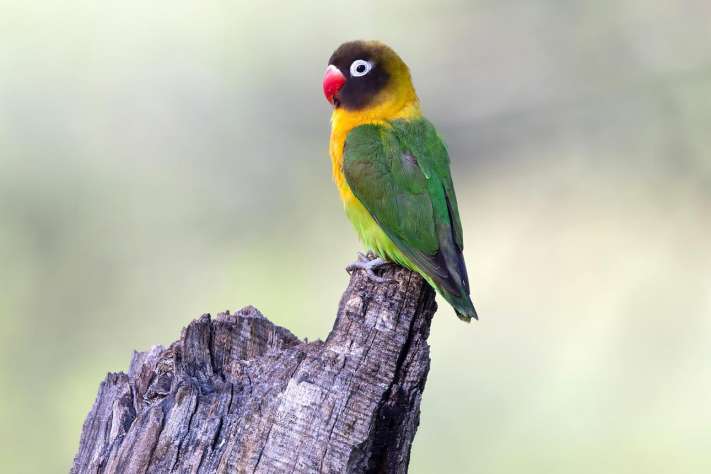
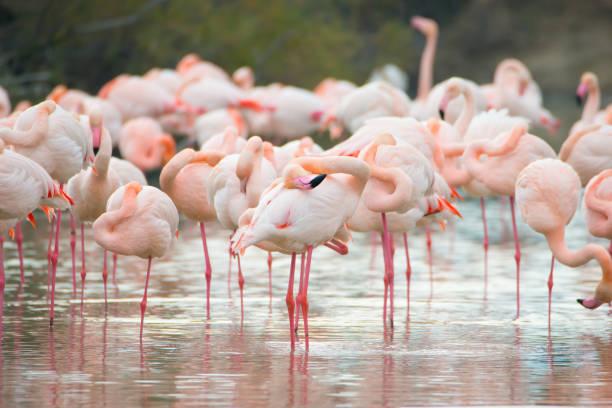
Excellent Birdwatching Opportunities Safari low season is also one of the best times for birdwatching in Tanzania because migratory birds arrive from Europe and other regions during this period. Wetlands, lakes, rivers, and forests become filled with colorful bird species, creating incredible opportunities for bird enthusiasts and wildlife photographers. Bird activity increases significantly during the green season, and travelers may encounter flamingos, kingfishers, bee-eaters, storks, eagles, hornbills, and many rare species across Tanzania’s diverse ecosystems. For travelers interested in both wildlife and birdlife, low season safaris provide a rich and rewarding nature experience beyond traditional big game viewing.
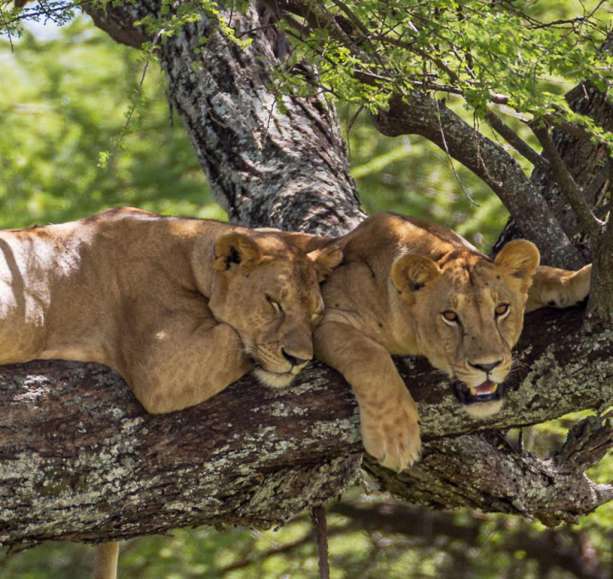
Wildlife Viewing During Low Season Although dry seasons are generally considered easier for locating wildlife, low season safaris still provide excellent animal sightings throughout Tanzania’s national parks. Serengeti National Park continues to offer predator sightings, herbivore migrations, and dramatic wildlife interactions throughout the year. Ngorongoro Crater remains one of the best wildlife destinations regardless of season because animals stay concentrated within the crater ecosystem. Tarangire, Lake Manyara, Ruaha, and Nyerere National Park also continue to provide rewarding wildlife experiences during low season. In some cases, wildlife appears even more active and healthy because of the fresh vegetation and improved water availability during greener months.
Calving Season in the Serengeti One of the most extraordinary low season safari experiences in Tanzania is the wildebeest calving season in the southern Serengeti. During this time, thousands of wildebeest calves are born across the plains, attracting predators such as lions, cheetahs, hyenas, and leopards. The calving season creates dramatic wildlife interactions and exceptional predator activity that many safari enthusiasts consider one of the best safari experiences in Africa. Watching newborn animals take their first steps while predators patrol nearby creates unforgettable moments filled with excitement and emotion. This period is especially popular among wildlife photographers and travelers interested in observing natural animal behavior.
Challenges of Low Season Safaris Although low season safaris offer many advantages, there are also some challenges travelers should understand before planning their trip. Rainfall can occasionally affect road conditions in remote safari areas, especially during heavier rainy periods. Some camps or lodges may close temporarily for maintenance during quieter months, and certain remote roads may become more difficult to access. However, experienced safari operators carefully plan routes and itineraries to minimize travel disruptions and ensure guests continue enjoying safe and rewarding safari experiences. Rain during low season is often brief rather than continuous, and many days still include sunshine and excellent wildlife viewing opportunities.
Best Parks to Visit During Low Season Many of Tanzania’s northern safari parks remain excellent during low season, especially Serengeti National Park and Ngorongoro Crater. The Serengeti’s southern plains are particularly attractive during calving season because of the large concentrations of wildebeest and predators. Lake Manyara becomes especially beautiful with green forests and active birdlife, while Tarangire National Park offers peaceful safari experiences with fewer crowds and dramatic scenery. Southern Tanzania parks such as Ruaha and Nyerere also provide remote wilderness experiences for travelers seeking exclusivity and untouched nature during quieter safari months.
Photography During Low Season Low season safaris are often considered ideal for photography because of the rich colors, dramatic skies, reflections, fresh vegetation, and softer lighting conditions created by seasonal rains. Wildlife photography also becomes more unique because animals are often photographed against green landscapes rather than dry grasslands. Cloud formations during green season create dramatic backgrounds for wildlife images, while reduced dust improves visibility and image clarity during game drives. Photographers looking for atmospheric and artistic safari images frequently choose low season travel because of these visual advantages.
Final Thoughts Safari low season in Tanzania offers a peaceful, scenic, and rewarding safari experience filled with green landscapes, excellent wildlife encounters, fewer crowds, and lower travel costs. Although peak seasons attract many visitors for dry weather and migration crossings, low season safaris provide a completely different atmosphere that many travelers find even more authentic and memorable. From dramatic Serengeti calving season wildlife encounters to beautiful birdlife, lush scenery, and quiet safari camps, Tanzania’s low season creates unforgettable African adventures for travelers seeking nature, photography, relaxation, and value. For photographers, couples, birdwatchers, families, and travelers looking for affordable safari experiences with extraordinary natural beauty, Tanzania’s safari low season remains one of Africa’s hidden safari treasures.
How Safari Low Season in Tanzania Fits Into a Tanzania Safari
Safari Low Season in Tanzania matters because a great Tanzania safari is not only a list of sightings. It is a sequence of landscapes, seasons, guide decisions, comfort choices, and small field moments that shape how the journey feels. This Tanzania safari planning guide keeps the supplied notes intact and expands them into practical planning advice for travelers comparing routes, timing, accommodation, photography, and guiding style.
Travelers planning a safari should use this guide to understand tradeoffs before choosing dates, budget, comfort level, and route pace. The best safari is the one that matches the guest’s real expectations, not only the most famous itinerary name.
Best Safari Conditions and Viewing Strategy
Field success depends on timing, patience, and interpretation. Early morning gives cooler light, more movement, and better photography. Late afternoon can be excellent for relaxed behavior and softer color. Midday still has value when guests understand shade, water, thermals, migration pressure, or the comfort rhythm of a longer safari day.
- Travel with a guide who can explain habitat, not only identify the subject.
- Keep binoculars or a camera ready before the vehicle stops.
- Watch behavior first, then confirm details such as shape, markings, tracks, calls, or movement.
- Give sightings time. The best moment often happens after the first quick look.
Planning With Tanview Safaris
Tanview Safaris can shape this topic into a route that matches the traveler’s interest. A wildlife-first guest may want slower game drives and more time in open habitats. A photography guest may prefer flexible mornings and better light. A family may need shorter drive sections, clear meal timing, and guides who explain the bush in a warm, patient way. A premium safari may combine stronger guiding with carefully chosen lodges or tented camps that make the day feel calm instead of rushed.
For a stronger plan, connect this guide with Safari Smart Tours, Tanzania Safari Guide, Birdwatching Guide, and Enquiry Now. Those internal resources help turn research into a route, budget, season choice, and booking conversation.
Responsible Safari Notes
Responsible travel protects the experience that visitors come to see. Keep a respectful distance, avoid pressuring guides to disturb wildlife, never feed animals, and treat sensitive habitats carefully. Ethical viewing also improves the quality of the sighting: relaxed wildlife behaves naturally, photographs look better, and the guide can explain the scene without rushing.
How to Combine This With a Wider Route
Most travelers get the best value when this topic is not treated as a stand-alone idea, but as part of a wider route. A northern Tanzania safari can combine Tarangire, Lake Manyara, Ngorongoro, Serengeti, Arusha, village experiences, waterfalls, cultural stops, and specialist wildlife interests in one smooth plan. The right order matters because it affects drive time, fatigue, photography light, and how naturally the trip builds from arrival to the final day.
When guests contact Tanview Safaris, the most useful details are travel month, number of days, comfort level, special interests, mobility needs, and whether the trip should feel adventurous, quiet, family-friendly, romantic, or photography-led. With those details, the team can recommend which experiences deserve a full day, which work best as a short stop, and which should be avoided in the wrong season.
This is also where honest planning helps most. Some experiences look simple on paper but depend on road condition, recent weather, local access, daylight, and how much energy guests have after previous safari days. A well-built itinerary leaves enough breathing room for the experience to feel memorable instead of squeezed between transfers.
Questions to Ask Before You Travel
- Which park, route, or lodge area gives the strongest chance for this interest?
- How much time should be allowed so the experience does not feel rushed?
- What season gives the best balance of weather, wildlife, cost, and comfort?
- Which guide skills, vehicle setup, and accommodation style will improve the day?
FAQ About Safari Low Season in Tanzania
Is Safari Low Season in Tanzania useful when planning a Tanzania safari?
Yes. This guide gives travelers a focused way to understand the topic before choosing dates, routes, guiding style, and the pace of the safari.
Can Tanview Safaris include this interest in a custom itinerary?
Yes. Guests can mention this interest during the enquiry stage so the team can suggest suitable parks, timing, lodges, and drive structure.
Does this guide include the supplied PDF information?
Yes. The article uses the supplied notes and images, then adds practical Tanzania safari context so the page is helpful for both readers and search engines.
What should I ask before booking?
Ask about the best season, realistic viewing chances, drive length, guide expertise, photography needs, accommodation style, and how this topic fits with the wider safari route.