Tanzania wildlife safari guide
Mongoose Guide
The Ultimate Guide to Africa’s Quick, Clever, and Highly Adaptable Small Predator
Mongoose Images
Quick Safari Highlights
Field Notes and Safari Context
The Ultimate Guide to Africa’s Quick, Clever, and Highly Adaptable Small Predator The mongoose is one of Africa’s most widespread and intelligent small carnivores, known for its quick reflexes, teamwork, curiosity, and ability to survive in almost every type of environment. Although small in size, mongooses are bold, highly alert, and extremely effective at controlling insects, rodents, and reptiles across African ecosystems. Mongooses are found across sub-Saharan Africa, including Tanzania, Kenya, Uganda, Rwanda, Ethiopia, Botswana, Namibia, South Africa, Zambia, and Zimbabwe. They inhabit savannahs, grasslands, woodlands, wetlands, rocky outcrops, and even areas close to human settlements due to their remarkable adaptability and opportunistic survival skills. For safari travelers, seeing mongooses moving quickly across the road, foraging in groups, or standing upright on alert is a lively and memorable wildlife moment that often surprises visitors with how active and intelligent these small animals are. What Is a Mongoose?
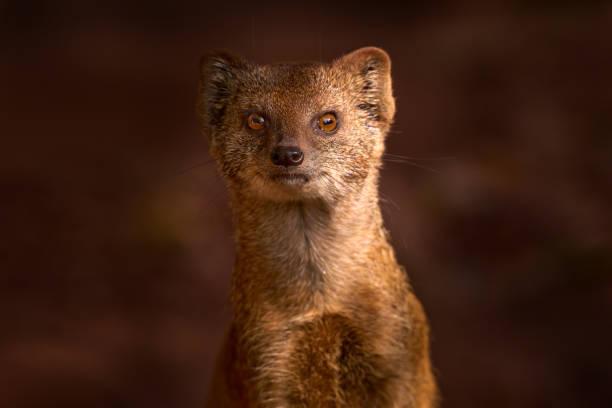
The mongoose is a small to medium-sized carnivorous mammal belonging to the family Herpestidae. It is recognized by its slender body, short legs, pointed face, sharp eyes, and long tail used for balance and quick directional changes. There are many species of mongoose in Africa, including banded mongooses, dwarf mongooses, slender mongooses, marsh mongooses, and white-tailed mongooses. Each species has slightly different behavior, but all share speed, intelligence, and strong survival instincts. Mongooses are highly alert animals and are often seen constantly scanning their environment for predators or food opportunities.
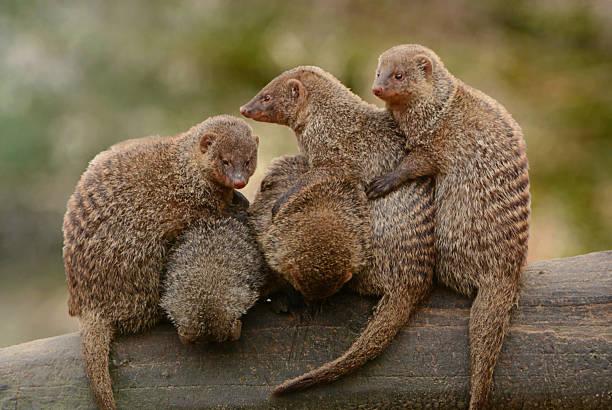
Mongoose Behavior in the Wild Mongooses are highly active, social, and intelligent animals. Some species are solitary, but many live in groups called troops or mobs, especially banded mongooses. They are diurnal in many regions, meaning they are active during the day, often seen early in the morning or late afternoon when temperatures are cooler. Mongooses communicate using vocal calls, scent marking, and coordinated group movements. Group-living mongooses work together to find food, raise young, and protect each other from predators. When danger is detected, they produce loud alarm calls that can instantly alert the entire group.
Feeding and Hunting Skills Mongooses are opportunistic carnivores with a very diverse diet, which is one reason for their success across Africa.
Their diet includes:
- Insects (beetles, termites, grasshoppers, ants)
- Small rodents
- Eggs
- Reptiles (including lizards and snakes)
- Amphibians
- Small birds
- Fruits and seeds
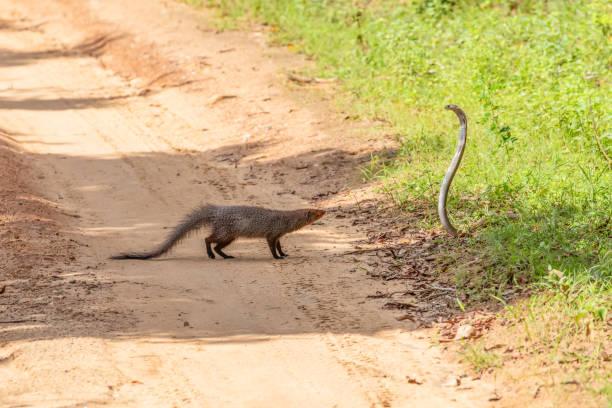
One of their most famous abilities is hunting venomous snakes, including cobras and vipers. They rely on speed, agility, and repeated quick attacks to wear down dangerous prey. Mongooses also dig through soil and leaf litter searching for insects and larvae, making them important for pest control in ecosystems. Their adaptability allows them to switch diets depending on season and habitat conditions.
Physical Characteristics Mongooses have long, slender bodies designed for speed and quick movement through grass, rocks, and burrows. Their fur varies by species but is commonly gray, brown, or banded with stripes that help with camouflage. They have sharp claws for digging and fast reflexes for catching small prey. Their eyes are positioned forward, giving them strong depth perception for hunting and detecting movement. A long tail helps them balance during fast turns and sudden sprints. Despite their small size, mongooses are surprisingly strong and fearless when defending themselves or their group.
Social Structure and Communication Some mongoose species, especially banded mongooses, live in highly organized and cooperative groups. These groups may include dozens of individuals that share daily responsibilities such as:
- Guarding against predators
- Caring for pups communally
- Foraging together
- Raising alarm calls when danger appears
Mongooses often take turns acting as sentinels, standing upright on rocks or termite mounds to watch for predators such as eagles, snakes, jackals, and larger carnivores. Their communication system is highly developed, with different calls used for different types of threats.
Habitat and Distribution Mongooses are extremely adaptable and can survive in a wide range of environments.
They are commonly found in:
- Savannah grasslands
- Open woodlands
- Dry scrublands
- Wetlands and river edges
- Rocky hills and kopjes
- Agricultural landscapes near villages
They often use abandoned burrows made by other animals such as aardvarks or meerkats, or dig their own complex tunnel systems for shelter and protection. Their adaptability makes them one of the most successful small carnivores in Africa.
Best Places to See Mongooses Mongooses are relatively easy to spot in many African safari destinations due to their daytime activity and group behavior. Serengeti National Park – Tanzania Banded mongooses are frequently seen in groups near grasslands, kopjes, and safari lodges. Maasai Mara National Reserve – Kenya Regular sightings of mongooses foraging and interacting in open savannah habitats. Kruger National Park – South Africa Multiple mongoose species can be observed across different habitats. Ngorongoro Conservation Area – Tanzania Rocky terrain and crater forests support active mongoose populations. Okavango Delta – Botswana Wetland edges and dry islands provide excellent mongoose habitat.
Mongoose Safari Experience Seeing mongooses on safari is often entertaining because of their constant movement, teamwork, and playful behavior. Travelers may observe them digging for insects, grooming each other, or reacting instantly to danger signals. They are often seen early in the morning near camps or along safari roads. Their energetic behavior and group coordination make them one of the most dynamic small animals to watch in the wild. Wildlife photographers enjoy capturing their interactions, especially when they stand upright on guard duty or move as a coordinated group.
Mongoose by Travel Style
Family Safaris Families enjoy learning about teamwork, survival strategies, and predator-prey relationships.
Honeymoon Safaris Couples experience relaxed game drives with fun and active wildlife sightings.
Luxury Safaris Luxury safaris offer guided wildlife interpretation and close observation of animal behavior.
Budget Safaris Budget safaris provide frequent opportunities to see mongooses across most safari parks.
Best Time to See Mongooses Mongooses can be seen throughout the year in most safari destinations. They are most active during early mornings and late afternoons. Dry seasons improve visibility because grass is shorter and animals are easier to spot. In cooler conditions, some species may remain active for longer periods during the day.
Wildlife Conservation and Mongooses Most mongoose species have stable populations due to their adaptability and wide distribution. However, habitat destruction, road accidents, and human-wildlife conflict can affect local groups. In some areas, they are mistakenly persecuted due to fear or misunderstanding. Protected national parks and conservation areas help maintain balanced ecosystems where mongooses thrive.
Final Thoughts The mongoose is one of Africa’s most intelligent, energetic, and adaptable small predators. From the savannahs of Tanzania to the forests of Uganda and the dry landscapes of Namibia, mongooses survive through teamwork, speed, and remarkable awareness. Although small and often overlooked, they play an important role in controlling insects, rodents, and reptiles, helping maintain ecological balance across African ecosystems. Whether travelers are interested in wildlife behavior, predator interactions, or lively safari moments, observing mongooses in the wild offers a fascinating and dynamic African wildlife experience.
How Mongoose Fits Into a Tanzania Safari
Mongoose matters because a great Tanzania safari is not only a list of sightings. It is a sequence of landscapes, seasons, guide decisions, comfort choices, and small field moments that shape how the journey feels. This Tanzania wildlife safari guide keeps the supplied notes intact and expands them into practical planning advice for travelers comparing routes, timing, accommodation, photography, and guiding style.
Wildlife-focused travelers should use this guide to understand habitat, behavior, viewing conditions, and the role each species plays in the broader safari ecosystem.
Best Safari Conditions and Viewing Strategy
Field success depends on timing, patience, and interpretation. Early morning gives cooler light, more movement, and better photography. Late afternoon can be excellent for relaxed behavior and softer color. Midday still has value when guests understand shade, water, thermals, migration pressure, or the comfort rhythm of a longer safari day.
- Travel with a guide who can explain habitat, not only identify the subject.
- Keep binoculars or a camera ready before the vehicle stops.
- Watch behavior first, then confirm details such as shape, markings, tracks, calls, or movement.
- Give sightings time. The best moment often happens after the first quick look.
Planning With Tanview Safaris
Tanview Safaris can shape this topic into a route that matches the traveler’s interest. A wildlife-first guest may want slower game drives and more time in open habitats. A photography guest may prefer flexible mornings and better light. A family may need shorter drive sections, clear meal timing, and guides who explain the bush in a warm, patient way. A premium safari may combine stronger guiding with carefully chosen lodges or tented camps that make the day feel calm instead of rushed.
For a stronger plan, connect this guide with Safari Smart Tours, Tanzania Safari Guide, Birdwatching Guide, and Enquiry Now. Those internal resources help turn research into a route, budget, season choice, and booking conversation.
Responsible Safari Notes
Responsible travel protects the experience that visitors come to see. Keep a respectful distance, avoid pressuring guides to disturb wildlife, never feed animals, and treat sensitive habitats carefully. Ethical viewing also improves the quality of the sighting: relaxed wildlife behaves naturally, photographs look better, and the guide can explain the scene without rushing.
How to Combine This With a Wider Route
Most travelers get the best value when this topic is not treated as a stand-alone idea, but as part of a wider route. A northern Tanzania safari can combine Tarangire, Lake Manyara, Ngorongoro, Serengeti, Arusha, village experiences, waterfalls, cultural stops, and specialist wildlife interests in one smooth plan. The right order matters because it affects drive time, fatigue, photography light, and how naturally the trip builds from arrival to the final day.
When guests contact Tanview Safaris, the most useful details are travel month, number of days, comfort level, special interests, mobility needs, and whether the trip should feel adventurous, quiet, family-friendly, romantic, or photography-led. With those details, the team can recommend which experiences deserve a full day, which work best as a short stop, and which should be avoided in the wrong season.
This is also where honest planning helps most. Some experiences look simple on paper but depend on road condition, recent weather, local access, daylight, and how much energy guests have after previous safari days. A well-built itinerary leaves enough breathing room for the experience to feel memorable instead of squeezed between transfers.
Questions to Ask Before You Travel
- Which park, route, or lodge area gives the strongest chance for this interest?
- How much time should be allowed so the experience does not feel rushed?
- What season gives the best balance of weather, wildlife, cost, and comfort?
- Which guide skills, vehicle setup, and accommodation style will improve the day?
FAQ About Mongoose
Is Mongoose useful when planning a Tanzania safari?
Yes. This guide gives travelers a focused way to understand the topic before choosing dates, routes, guiding style, and the pace of the safari.
Can Tanview Safaris include this interest in a custom itinerary?
Yes. Guests can mention this interest during the enquiry stage so the team can suggest suitable parks, timing, lodges, and drive structure.
Does this guide include the supplied PDF information?
Yes. The article uses the supplied notes and images, then adds practical Tanzania safari context so the page is helpful for both readers and search engines.
What should I ask before booking?
Ask about the best season, realistic viewing chances, drive length, guide expertise, photography needs, accommodation style, and how this topic fits with the wider safari route.