Tanzania wildlife safari guide
Giraffe Guide
The Ultimate Guide to Africa’s Tallest Wildlife Icon
Giraffe Images


Quick Safari Highlights
Field Notes and Safari Context
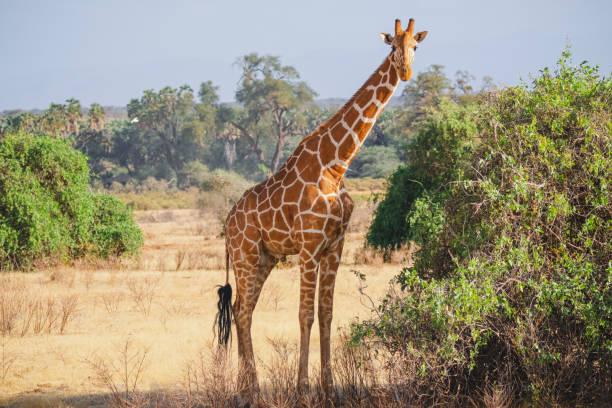
The Ultimate Guide to Africa’s Tallest Wildlife Icon The giraffe is one of Africa’s most unique and instantly recognizable animals. Known for its extremely long neck, graceful movement, and elegant appearance, the giraffe is a symbol of the African savannah. Although not part of the Big Five, giraffes are one of the most popular animals seen on safari and a favorite among travelers and photographers. Giraffes are found across East and Southern Africa, including Tanzania, Kenya, Botswana, Namibia, South Africa, Uganda, and Zimbabwe. They live in savannahs, open woodlands, and acacia-dominated landscapes where they feed on tree leaves and move in loose groups. For many safari travelers, seeing giraffes walking across the horizon or feeding from tall trees is one of the most peaceful and memorable wildlife experiences in Africa. What Is a Giraffe? The giraffe is the tallest land animal in the world, capable of reaching heights of up to 5–6 meters. It belongs to the mammal family and is easily identified by its long neck, patterned coat, and long legs. There are several giraffe species and subspecies, with the most common being the Masai giraffe and the reticulated giraffe. Each has unique coat patterns that help researchers identify individuals in the wild. Despite their height, giraffes are gentle herbivores that feed mainly on leaves, flowers, and fruits from tall trees, especially acacia trees.
Giraffe Behavior in the Wild Giraffes are social but not highly structured animals. They often move in loose groups called towers, although these groups are flexible and constantly changing. They spend most of their day feeding, walking slowly across the savannah in search of food. Because of their height, giraffes have a natural advantage in spotting predators from a distance. When threatened, giraffes can defend themselves using powerful kicks that are strong enough to deter lions and other predators. Giraffes communicate using body language, low-frequency sounds, and subtle movements that are not always easy for humans to notice.
The Role of Giraffes in the Ecosystem Giraffes play an important ecological role in shaping African vegetation. By feeding on tall trees, they help control plant growth and encourage new vegetation development. Their feeding behavior also supports other species by opening up the canopy and allowing sunlight to reach lower plants. In some ecosystems, giraffes help maintain balance between trees and grasslands, contributing to biodiversity across the savannah.
Best Places to See Giraffes Giraffes are widely distributed across African safari destinations and are commonly seen during game drives. Serengeti National Park – Tanzania The Serengeti offers excellent giraffe sightings across open plains and wooded areas. Tarangire National Park – Tanzania Tarangire is known for large giraffe populations and scenic baobab-dotted landscapes. Maasai Mara National Reserve – Kenya The Maasai Mara provides frequent giraffe sightings, especially in open savannah regions. Etosha National Park – Namibia Etosha offers unique giraffe viewing around waterholes in dry landscapes. Kruger National Park – South Africa Kruger is one of the best places for reliable giraffe sightings during safari drives.
Giraffe Safari Experience Seeing giraffes on safari is a calm and visually stunning experience. Their tall silhouettes against sunrise or sunset landscapes create some of the most iconic African safari images. Giraffes are often seen walking gracefully across the plains, feeding from tall trees, or interacting gently within groups. Their calm behavior and elegant movement make them a favorite subject for photographers and nature lovers.
Giraffe Behavior by Travel Style
Family Safaris Families enjoy easy and safe giraffe sightings, making them ideal for children and first-time safari travelers.
Honeymoon Safaris Couples experience romantic safari moments with giraffes silhouetted against golden sunsets.
Luxury Safaris Luxury safaris offer private game drives, expert guides, and premium viewing locations for giraffe photography.
Budget Safaris Budget safaris provide accessible wildlife experiences where giraffes are commonly seen across most parks.
Best Time to See Giraffes Giraffes can be seen throughout the year in most African safari destinations. The dry season offers better visibility due to thinner vegetation, while the green season provides lush landscapes and beautiful photography conditions. Early morning and late afternoon are the best times for viewing giraffes in soft natural light.
Wildlife Conservation and Giraffes Some giraffe populations are facing threats from habitat loss and fragmentation, although overall numbers vary by region. Conservation programs focus on protecting habitats, supporting research, and promoting sustainable tourism. Safari tourism also plays an important role in funding conservation efforts and protecting giraffe populations across Africa.
Final Thoughts The giraffe remains one of Africa’s most elegant and beloved wildlife species. From the open plains of the Serengeti to the woodlands of Tarangire and the savannahs of the Maasai Mara, giraffes continue to enchant travelers with their beauty and calm presence. Whether visitors are seeking photography, family safaris, or wildlife adventure experiences, seeing giraffes in the wild offers a peaceful and unforgettable connection to Africa’s natural landscape.
How Giraffe Fits Into a Tanzania Safari
Giraffe matters because a great Tanzania safari is not only a list of sightings. It is a sequence of landscapes, seasons, guide decisions, comfort choices, and small field moments that shape how the journey feels. This Tanzania wildlife safari guide keeps the supplied notes intact and expands them into practical planning advice for travelers comparing routes, timing, accommodation, photography, and guiding style.
Wildlife-focused travelers should use this guide to understand habitat, behavior, viewing conditions, and the role each species plays in the broader safari ecosystem.
Best Safari Conditions and Viewing Strategy
Field success depends on timing, patience, and interpretation. Early morning gives cooler light, more movement, and better photography. Late afternoon can be excellent for relaxed behavior and softer color. Midday still has value when guests understand shade, water, thermals, migration pressure, or the comfort rhythm of a longer safari day.
- Travel with a guide who can explain habitat, not only identify the subject.
- Keep binoculars or a camera ready before the vehicle stops.
- Watch behavior first, then confirm details such as shape, markings, tracks, calls, or movement.
- Give sightings time. The best moment often happens after the first quick look.
Planning With Tanview Safaris
Tanview Safaris can shape this topic into a route that matches the traveler’s interest. A wildlife-first guest may want slower game drives and more time in open habitats. A photography guest may prefer flexible mornings and better light. A family may need shorter drive sections, clear meal timing, and guides who explain the bush in a warm, patient way. A premium safari may combine stronger guiding with carefully chosen lodges or tented camps that make the day feel calm instead of rushed.
For a stronger plan, connect this guide with Safari Smart Tours, Tanzania Safari Guide, Birdwatching Guide, and Enquiry Now. Those internal resources help turn research into a route, budget, season choice, and booking conversation.
Responsible Safari Notes
Responsible travel protects the experience that visitors come to see. Keep a respectful distance, avoid pressuring guides to disturb wildlife, never feed animals, and treat sensitive habitats carefully. Ethical viewing also improves the quality of the sighting: relaxed wildlife behaves naturally, photographs look better, and the guide can explain the scene without rushing.
How to Combine This With a Wider Route
Most travelers get the best value when this topic is not treated as a stand-alone idea, but as part of a wider route. A northern Tanzania safari can combine Tarangire, Lake Manyara, Ngorongoro, Serengeti, Arusha, village experiences, waterfalls, cultural stops, and specialist wildlife interests in one smooth plan. The right order matters because it affects drive time, fatigue, photography light, and how naturally the trip builds from arrival to the final day.
When guests contact Tanview Safaris, the most useful details are travel month, number of days, comfort level, special interests, mobility needs, and whether the trip should feel adventurous, quiet, family-friendly, romantic, or photography-led. With those details, the team can recommend which experiences deserve a full day, which work best as a short stop, and which should be avoided in the wrong season.
This is also where honest planning helps most. Some experiences look simple on paper but depend on road condition, recent weather, local access, daylight, and how much energy guests have after previous safari days. A well-built itinerary leaves enough breathing room for the experience to feel memorable instead of squeezed between transfers.
Questions to Ask Before You Travel
- Which park, route, or lodge area gives the strongest chance for this interest?
- How much time should be allowed so the experience does not feel rushed?
- What season gives the best balance of weather, wildlife, cost, and comfort?
- Which guide skills, vehicle setup, and accommodation style will improve the day?
FAQ About Giraffe
Is Giraffe useful when planning a Tanzania safari?
Yes. This guide gives travelers a focused way to understand the topic before choosing dates, routes, guiding style, and the pace of the safari.
Can Tanview Safaris include this interest in a custom itinerary?
Yes. Guests can mention this interest during the enquiry stage so the team can suggest suitable parks, timing, lodges, and drive structure.
Does this guide include the supplied PDF information?
Yes. The article uses the supplied notes and images, then adds practical Tanzania safari context so the page is helpful for both readers and search engines.
What should I ask before booking?
Ask about the best season, realistic viewing chances, drive length, guide expertise, photography needs, accommodation style, and how this topic fits with the wider safari route.