Tanzania wildlife safari guide
Eland Guide
The Ultimate Guide to Africa’s Largest Antelope
Eland Images

Quick Safari Highlights
Field Notes and Safari Context
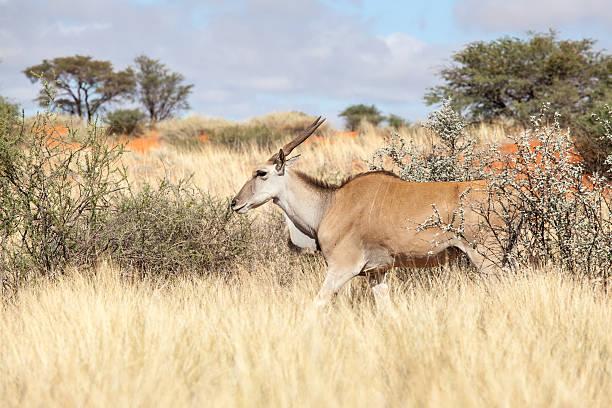
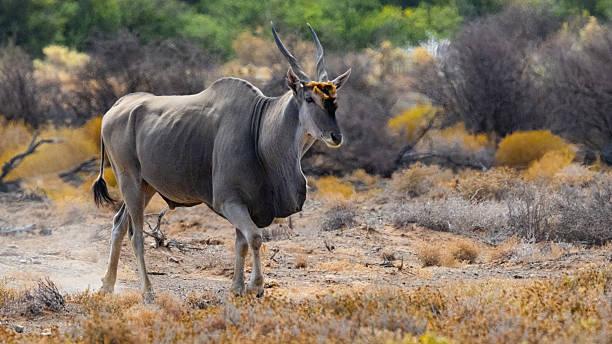
The Ultimate Guide to Africa’s Largest Antelope The eland is one of Africa’s most impressive and powerful antelope species. Known for its massive size, calm behavior, and graceful movement, the eland is the largest antelope in the world and one of the most fascinating herbivores found in African wilderness areas. Despite its enormous body, the eland is surprisingly agile and capable of jumping great heights when threatened. Elands are widely distributed across East and Southern Africa, including Tanzania, Kenya, Botswana, Namibia, Zimbabwe, South Africa, and Zambia. They live in open savannahs, woodlands, grasslands, and lightly forested regions where they move in small herds searching for food and water. For safari travelers, seeing a giant eland walking peacefully across the African plains is one of the most unique and memorable wildlife experiences. What Is an Eland? The eland is a large herbivorous antelope belonging to the bovine family. There are two main species of eland found in Africa:
- Common eland
- Giant eland
The common eland is the most widespread and is commonly seen in safari destinations across East and Southern Africa. Elands are recognized by their muscular bodies, long legs, loose skin under the neck, and spiral- shaped horns. Both males and females have horns, although male horns are usually thicker and larger. Despite their large size, elands are peaceful animals known for their calm and gentle behavior.
Eland Behavior in the Wild Elands are social animals that usually live in small to medium-sized herds. These groups may include females, calves, and younger males, while older bulls sometimes prefer a more solitary lifestyle. They spend much of their time grazing on grass and browsing leaves, shrubs, and fruits depending on the season and habitat conditions. Elands are highly adaptable animals capable of surviving in dry conditions with limited water availability. In some regions, they can survive for long periods by obtaining moisture from plants. One of the most surprising facts about elands is their jumping ability. Despite weighing hundreds of kilograms, they can jump over high obstacles with remarkable ease.
Physical Characteristics of Elands The eland is the largest antelope species in Africa and can reach impressive body sizes. Males are significantly larger than females and may develop darker body coloration as they age. Mature bulls also produce a clicking sound from their leg tendons while walking, which can often be heard from a distance. Their spiral horns are among the most beautiful features of the species and are used for defense and dominance displays. Elands have thick hides and strong muscular bodies that help protect them from predators.
Best Places to See Elands Africa offers many excellent safari destinations where elands can be seen in natural environments. Serengeti National Park – Tanzania The Serengeti supports healthy eland populations living across open grasslands and woodland areas. Maasai Mara National Reserve – Kenya The Maasai Mara offers opportunities to see elands alongside zebras, giraffes, and wildebeests. Kruger National Park – South Africa Kruger provides reliable eland sightings in several regions of the park. Etosha National Park – Namibia Etosha’s dry landscapes attract elands near waterholes during the dry season. Kafue National Park – Zambia Kafue is one of the best places to see large eland populations in remote wilderness settings.
Eland Safari Experience Seeing elands on safari is a peaceful and rewarding wildlife experience. Their calm movement and large body size create impressive scenes across the African savannah. Elands are often seen grazing quietly in herds or resting under trees during hot daytime hours. Because they are less aggressive and more relaxed than many other large mammals, they offer excellent opportunities for wildlife photography and observation. Professional safari guides help visitors understand eland behavior, adaptation strategies, and their role in the ecosystem.
Eland by Travel Style
Family Safaris Families enjoy safe and educational wildlife experiences while learning about Africa’s herbivores and ecosystems.
Honeymoon Safaris Couples experience peaceful safari landscapes and quiet wildlife viewing moments surrounded by nature.
Luxury Safaris Luxury safaris include private game drives, premium safari lodges, and exclusive wildlife experiences.
Budget Safaris Budget safaris offer affordable opportunities to see elands in major national parks and reserves.
Best Time to See Elands Elands can be seen throughout the year in most safari destinations. The dry season often provides easier wildlife viewing because vegetation becomes thinner and animals gather near water sources. The green season offers beautiful scenery and excellent opportunities for photography with lush landscapes.
Wildlife Conservation and Elands Although elands are not currently endangered, habitat loss and human expansion affect some populations. Protected national parks and conservation areas help maintain healthy eland populations and preserve migration routes. Safari tourism also contributes to wildlife conservation funding and ecosystem protection across Africa.
Final Thoughts The eland remains one of Africa’s most majestic and underrated wildlife species. From the grasslands of the Serengeti to the wilderness of Zambia and Namibia, elands continue to represent strength, beauty, and calmness in the wild. Whether travelers are interested in wildlife photography, family safaris, or peaceful nature experiences, seeing an eland in the wild offers a unique and unforgettable connection to Africa’s natural landscapes.
How Eland Fits Into a Tanzania Safari
Eland matters because a great Tanzania safari is not only a list of sightings. It is a sequence of landscapes, seasons, guide decisions, comfort choices, and small field moments that shape how the journey feels. This Tanzania wildlife safari guide keeps the supplied notes intact and expands them into practical planning advice for travelers comparing routes, timing, accommodation, photography, and guiding style.
Wildlife-focused travelers should use this guide to understand habitat, behavior, viewing conditions, and the role each species plays in the broader safari ecosystem.
Best Safari Conditions and Viewing Strategy
Field success depends on timing, patience, and interpretation. Early morning gives cooler light, more movement, and better photography. Late afternoon can be excellent for relaxed behavior and softer color. Midday still has value when guests understand shade, water, thermals, migration pressure, or the comfort rhythm of a longer safari day.
- Travel with a guide who can explain habitat, not only identify the subject.
- Keep binoculars or a camera ready before the vehicle stops.
- Watch behavior first, then confirm details such as shape, markings, tracks, calls, or movement.
- Give sightings time. The best moment often happens after the first quick look.
Planning With Tanview Safaris
Tanview Safaris can shape this topic into a route that matches the traveler’s interest. A wildlife-first guest may want slower game drives and more time in open habitats. A photography guest may prefer flexible mornings and better light. A family may need shorter drive sections, clear meal timing, and guides who explain the bush in a warm, patient way. A premium safari may combine stronger guiding with carefully chosen lodges or tented camps that make the day feel calm instead of rushed.
For a stronger plan, connect this guide with Safari Smart Tours, Tanzania Safari Guide, Birdwatching Guide, and Enquiry Now. Those internal resources help turn research into a route, budget, season choice, and booking conversation.
Responsible Safari Notes
Responsible travel protects the experience that visitors come to see. Keep a respectful distance, avoid pressuring guides to disturb wildlife, never feed animals, and treat sensitive habitats carefully. Ethical viewing also improves the quality of the sighting: relaxed wildlife behaves naturally, photographs look better, and the guide can explain the scene without rushing.
How to Combine This With a Wider Route
Most travelers get the best value when this topic is not treated as a stand-alone idea, but as part of a wider route. A northern Tanzania safari can combine Tarangire, Lake Manyara, Ngorongoro, Serengeti, Arusha, village experiences, waterfalls, cultural stops, and specialist wildlife interests in one smooth plan. The right order matters because it affects drive time, fatigue, photography light, and how naturally the trip builds from arrival to the final day.
When guests contact Tanview Safaris, the most useful details are travel month, number of days, comfort level, special interests, mobility needs, and whether the trip should feel adventurous, quiet, family-friendly, romantic, or photography-led. With those details, the team can recommend which experiences deserve a full day, which work best as a short stop, and which should be avoided in the wrong season.
This is also where honest planning helps most. Some experiences look simple on paper but depend on road condition, recent weather, local access, daylight, and how much energy guests have after previous safari days. A well-built itinerary leaves enough breathing room for the experience to feel memorable instead of squeezed between transfers.
Questions to Ask Before You Travel
- Which park, route, or lodge area gives the strongest chance for this interest?
- How much time should be allowed so the experience does not feel rushed?
- What season gives the best balance of weather, wildlife, cost, and comfort?
- Which guide skills, vehicle setup, and accommodation style will improve the day?
FAQ About Eland
Is Eland useful when planning a Tanzania safari?
Yes. This guide gives travelers a focused way to understand the topic before choosing dates, routes, guiding style, and the pace of the safari.
Can Tanview Safaris include this interest in a custom itinerary?
Yes. Guests can mention this interest during the enquiry stage so the team can suggest suitable parks, timing, lodges, and drive structure.
Does this guide include the supplied PDF information?
Yes. The article uses the supplied notes and images, then adds practical Tanzania safari context so the page is helpful for both readers and search engines.
What should I ask before booking?
Ask about the best season, realistic viewing chances, drive length, guide expertise, photography needs, accommodation style, and how this topic fits with the wider safari route.