


Great Migration in February
February is one of the most powerful months for a Tanzania safari. The Great Migration is usually concentrated around Southern Serengeti and Ndutu, where the famous calving season brings newborn wildebeest, green plains, and dramatic predator action.
Why February Feels Different
The Great Migration is an all-year movement of wildebeest, zebras, and gazelles across the Serengeti ecosystem. In February, the herds are commonly found around the Ndutu plains, between the Ngorongoro Conservation Area and the southern part of Serengeti National Park.
This period is famously known as the calving season. During this time, thousands of calves can be born daily. Pregnant wildebeest move to Ndutu because the short grasses are rich in minerals such as calcium and magnesium, which support milk production for newborn calves.
Explore Ndutu Calving Season →New Life on the Southern Plains
February brings one of the most emotional wildlife experiences in Tanzania. Newborn calves appear across Ndutu and Southern Serengeti, while the open plains create unforgettable scenes for travelers and photographers.
This is the moment when the migration feels alive in a different way. The plains are green, the herds are settled, and every game drive can reveal new life, movement, and survival.
Read Wildebeest Calving Season Guide →
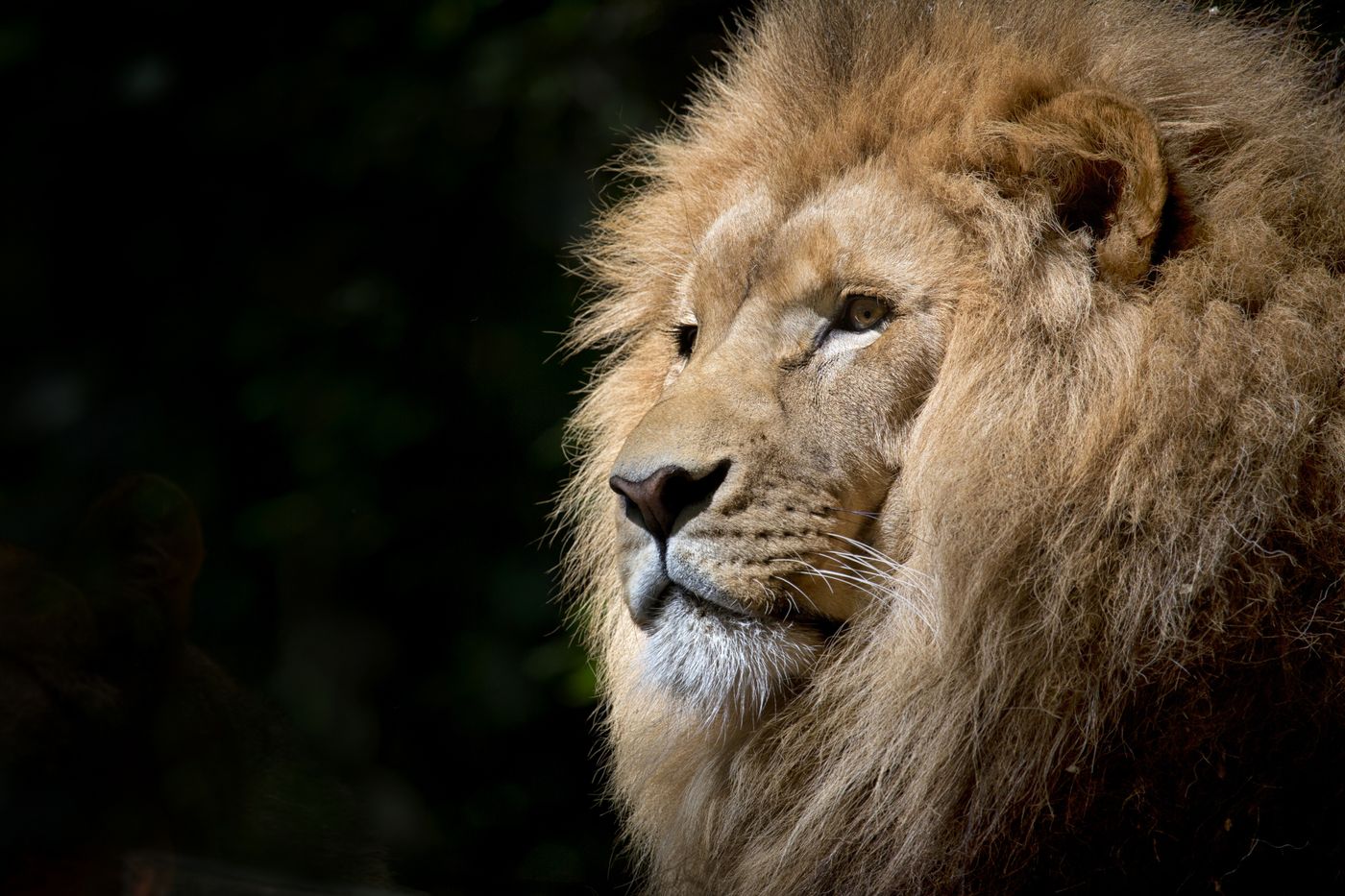
Where Big Cats Follow the Herds
Calving season also attracts predators. Lions, cheetahs, leopards, and hyenas follow the herds closely, making February one of the best months for wildlife action and safari photography.
This is why February is not only about seeing animals. It is about seeing the wild at its most active, emotional, and unpredictable.
Best Time to Visit Serengeti →Popular Safari Itineraries for February
February safaris are best planned around Southern Serengeti, Ndutu, and Ngorongoro. These routes give travelers stronger chances to experience calving season, predator activity, and classic northern Tanzania safari scenery.
Where to Go in February
Southern Serengeti and Ndutu Plains
In February, the Serengeti hosts large wildebeest herds in the southern plains and around Ndutu, where many females prepare to give birth. Apart from the calving season, Serengeti remains one of Tanzania’s best wildlife destinations throughout the year.
This area is perfect for travelers who want migration movement, open plains, predator sightings, and a strong chance of seeing the emotional moments of the calving season.
Explore Serengeti Safari Guide →
Ngorongoro Conservation Area
Ngorongoro works perfectly with a February route because it connects naturally with Ndutu and Southern Serengeti. It also gives travelers strong crater wildlife viewing and cooler morning conditions.
A February safari can combine Ndutu calving action with Ngorongoro’s classic crater experience, giving travelers a balanced route with both migration drama and concentrated wildlife viewing.
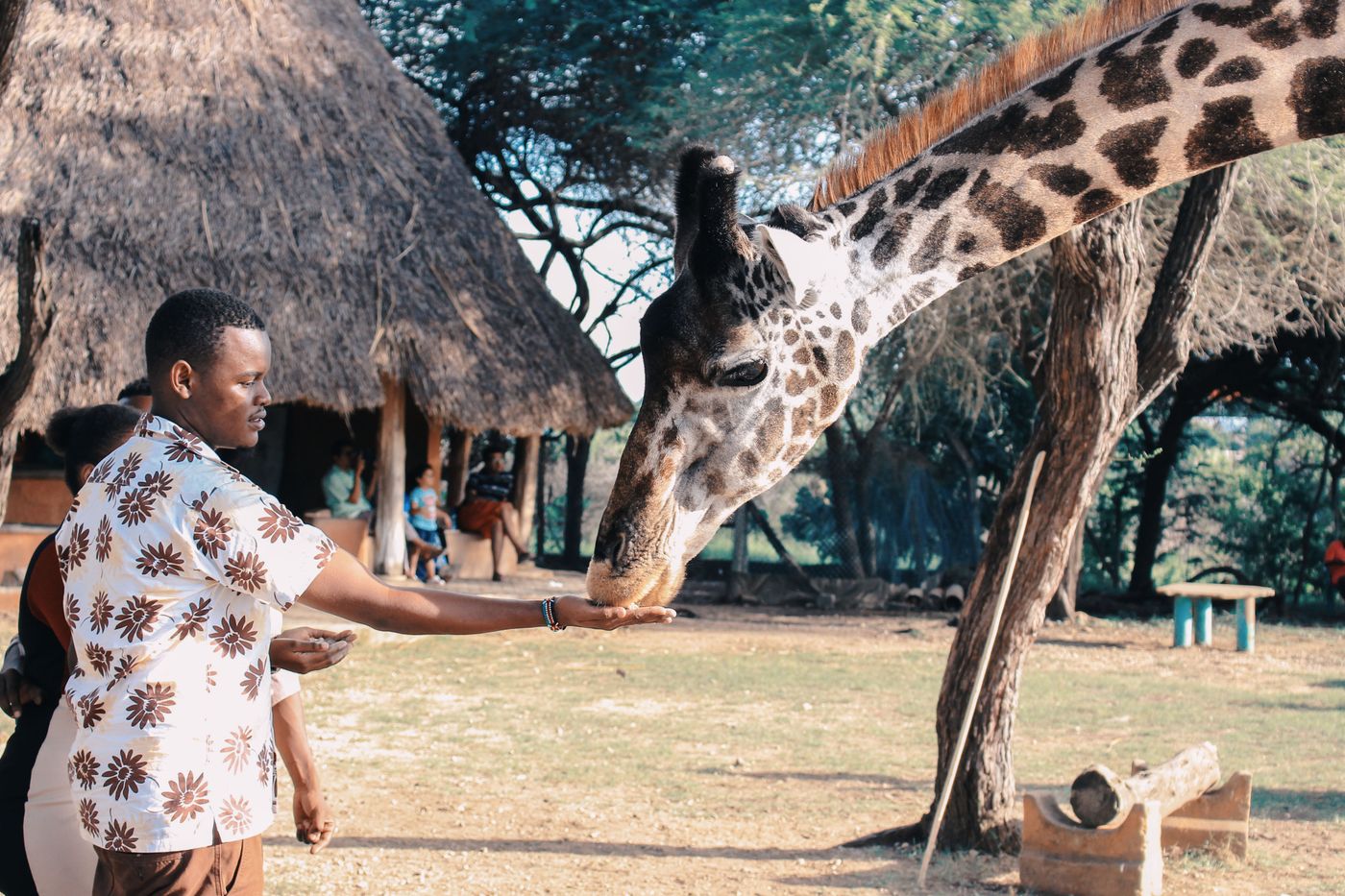
Tarangire National Park
Tarangire may not have the same calving intensity as Ndutu, but it remains rewarding for elephants, baobab trees, giraffes, buffaloes, lions, and relaxed game drives before or after Serengeti.
It is a smart park to include when travelers want variety, especially if the itinerary starts from Arusha before continuing toward Ngorongoro, Ndutu, and Serengeti.
View Northern Tanzania Safari Route →February Is Made for Wildlife Storytelling
February is excellent for wildlife and action photography. It becomes easier to spot predators hunting newborn calves, especially lions, cheetahs, leopards, and hyenas. The green landscapes also create a strong natural contrast, making wildlife images look more alive and dramatic.
For photographers, this month offers more than simple animal portraits. It gives movement, emotion, soft green scenery, dramatic skies, and real survival moments across the plains.
View 7-Day February Safari →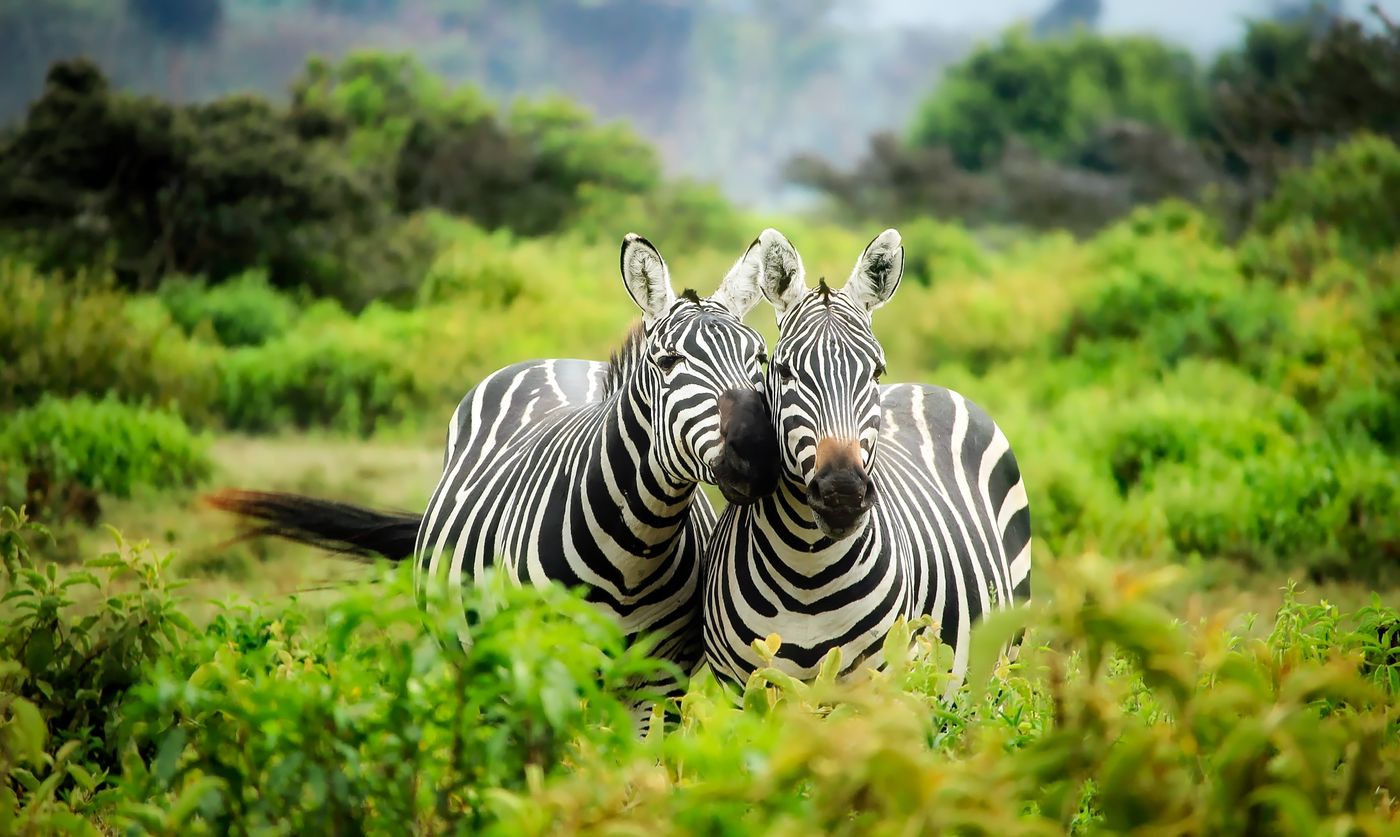

Zanzibar in February
Zanzibar in February is suitable for travelers who enjoy hot tropical weather, beach relaxation, swimming, and a peaceful coastal escape after the northern safari parks.
It works well after a Serengeti, Ndutu, and Ngorongoro safari because travelers can slow down after several days of game drives.
Explore Zanzibar Beach Escape →
Climbing Kilimanjaro in February
February is one of the better months for climbing Mount Kilimanjaro because the weather is often clearer than the long rainy season. It gives climbers better mountain views, more comfortable trekking conditions, and a strong chance to combine the climb with a February safari.
A longer route such as Machame, Lemosho, or Northern Circuit is often better for acclimatization because it gives the body more time to adjust to altitude.
Plan Kilimanjaro Trekking →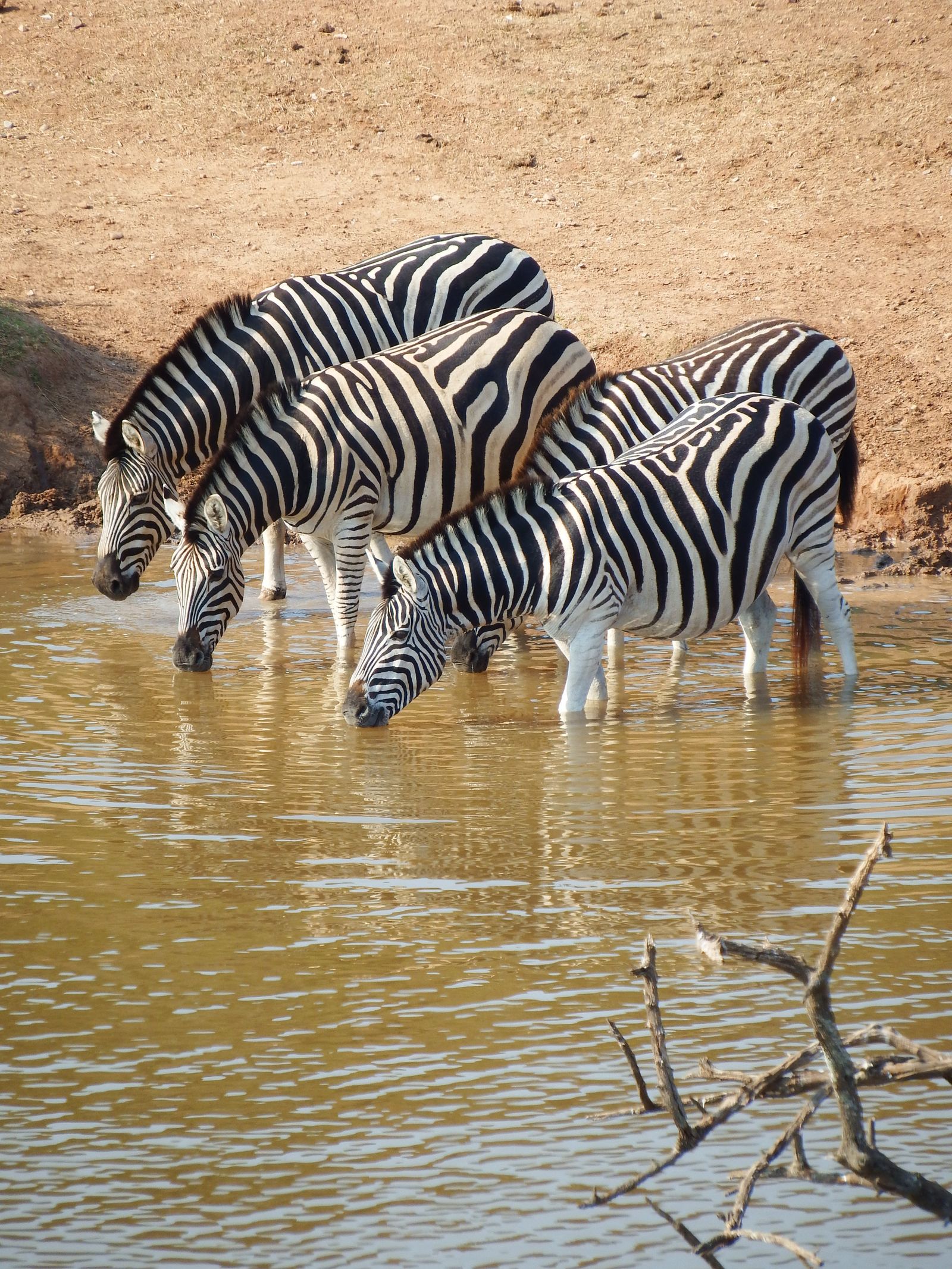
Build a February Safari Around the Right Parks, Timing, and Budget
Tell us your travel dates, number of travelers, comfort level, and dream experience. We will help shape a custom Tanzania safari around Serengeti, Ndutu, Ngorongoro, Zanzibar, or Kilimanjaro.
Start Planning Your Safari →Wildlife to See in February Tanzania Safari
February is a rewarding month for safari in Tanzania. During this season, tourists can see lions, zebras, wildebeests, leopards, cheetahs, elephants, giraffes, buffaloes, and beautiful bird species, especially around the Southern Serengeti, Ndutu plains, Ngorongoro, Tarangire, and other famous wildlife areas.





February safari planning
Why February Is a Strong Month for Tanzania Safari
A Tanzania safari in February is one of the best choices for travelers who want calving season, active predators and warm green-season scenery. The southern Serengeti and Ndutu area are usually the headline because wildebeest herds gather for calving, while Ngorongoro remains reliable for dense wildlife viewing.
February is not only about migration. Tarangire, Lake Manyara and Ngorongoro can still fit well when the route needs variety, shorter drives or a softer pace. Zanzibar also pairs naturally after safari because travelers can move from the plains to the coast without turning the itinerary into a rushed checklist.
If February is your preferred month, plan early around Ndutu and southern Serengeti because the best-positioned camps can fill quickly during calving season.