
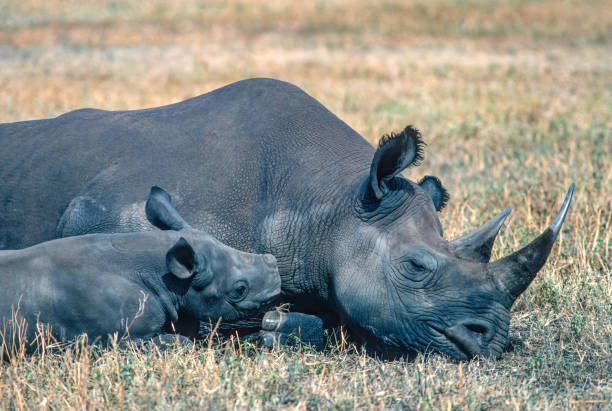

Animals in Ngorongoro Crater are one of the biggest reasons travelers place this destination high on their Tanzania safari list. The official Ngorongoro Crater page describes the crater as home to over 25,000 animals, which helps explain why wildlife viewing here feels so rewarding even on a relatively short safari.
This guide covers the wildlife you are most likely to hear about before a trip, what the crater is especially known for, and what safari travelers should realistically expect when they visit.
For the wider destination overview, read Ngorongoro Conservation Area: Safari, Animals, Cost and Best Time.
What Animals Can You See in Ngorongoro Crater?
The official crater information highlights the area as one of the best places in Tanzania to see a dense concentration of wildlife. The most talked-about animals include lions, buffalo, elephants, rhinos, leopards, zebras, wildebeest, gazelles, hyenas, warthogs, hippos, jackals, and a wide range of birds.
Because the crater floor is relatively compact compared with huge open ecosystems, game drives often feel productive. That does not mean every sighting is guaranteed, but it does mean many travelers leave feeling they saw a lot in a short time.
The Big Five in Ngorongoro Crater
Ngorongoro is one of the most frequently discussed places in Tanzania for travelers hoping to see the Big Five. The official crater page even describes it as probably one of the best places in Tanzania to spot them more easily.
Lion
Lions are one of the headline species in the crater and one of the main reasons Ngorongoro has such a strong safari reputation. They are part of what gives the crater its classic East African wildlife feel.
Buffalo
Buffalo are common enough to contribute to the strong sense of visible game density on the crater floor.
Elephant
Elephants are another major attraction, although travelers often notice that Ngorongoro is especially known for mature bulls rather than the kind of huge family herds more strongly associated with some other parks.
Rhino
Black rhino is one of the most sought-after sightings in the crater and one of the strongest reasons many travelers include Ngorongoro in a northern Tanzania itinerary.
Leopard
Leopard is part of the official big-five reputation of the crater, but it is generally not the easiest big-five sighting to build a whole trip around. It is better to think of leopard as possible rather than guaranteed.
Other Animals Commonly Seen in the Crater
Ngorongoro is not only about the Big Five. The official crater material also points to a broader wildlife mix that includes:
- Hippos
- Hyenas
- Warthogs
- Zebras
- Elands
- Gazelles
- Wildebeest
- Birdlife around lakes, marshes, grasslands, and woodland edges
This variety is part of what makes a crater descent feel satisfying even if you are not specifically chasing one animal.
Why Wildlife Viewing Feels Strong in Ngorongoro
There are three main reasons wildlife viewing feels so effective here.
- The crater is compact. Compared with enormous open systems, the wildlife area feels more concentrated.
- There are several habitats close together. Grasslands, swamp areas, water, and woodland all help support species diversity.
- The route is practical. Many travelers see Ngorongoro as part of a short or mid-length safari, so a productive game drive has a high impact on the overall trip.
Are There Animals You Are Less Likely to See?
Yes. One useful planning point is that not every Tanzania safari animal is equally associated with the crater floor. Giraffes, for example, are not part of the classic crater experience, which is one reason many travelers combine Ngorongoro with Serengeti or Tarangire for a broader wildlife list.
If you want the widest possible variety, Ngorongoro works best as one part of a multi-park itinerary rather than as the only wildlife destination in the trip.
What Is the Best Time to See Animals in Ngorongoro Crater?
Ngorongoro works well year-round, which is one reason it is so reliable. That said, the feel of the experience changes with season, visibility, and wider route design. Many travelers prefer drier months for easier overall viewing conditions, while others like greener periods for photography and combined itineraries.
For a month-by-month answer, read Best Time to Visit Ngorongoro Crater.
Is Ngorongoro Good for First-Time Safari Travelers?
Yes, very much so. In fact, Ngorongoro is one of the easiest places to understand why Tanzania safari travel is so highly rated. The scenery is dramatic, the wildlife density feels real, and the experience often rewards even relatively short trips.
That combination makes it especially strong for couples, families, and first-time visitors who want a classic safari moment without having to rely entirely on long-distance tracking across enormous plains.
How to Set the Right Wildlife Expectations
Ngorongoro is excellent, but smart expectations still matter.
- You are very likely to see plenty of animals, but not every species on every drive.
- Rhino is a major draw, but it is still a privileged sighting.
- The crater is brilliant for a concentrated game drive, but broader itineraries still create a more complete Tanzania wildlife experience.
If you are planning your route next, continue with Ngorongoro Crater Location or Ngorongoro Safari Cost in 2026.
Frequently Asked Questions
What animals live in Ngorongoro Crater?
Lions, buffalo, elephants, rhinos, leopards, zebras, wildebeest, gazelles, hyenas, hippos, warthogs, jackals, and many birds are all associated with the crater ecosystem.
Can you see the Big Five in Ngorongoro Crater?
Yes. Ngorongoro is one of Tanzania’s strongest places for travelers hoping to see the Big Five, although no sighting is ever guaranteed.
How many animals are in Ngorongoro Crater?
The official crater page says the area is known as home to over 25,000 animals.
Are giraffes in Ngorongoro Crater?
Giraffes are not part of the classic crater-floor wildlife experience, which is one reason many travelers combine Ngorongoro with other parks.
Is Ngorongoro good for wildlife photography?
Yes. The crater’s scenery, animal density, and variety of habitats make it one of the most photogenic safari destinations in northern Tanzania.

Deeper planning notes for Animals in Ngorongoro Crater: Big Five, Birds & What to Expect
Ngorongoro needs a different explanation from a normal national park because it is a conservation area with wildlife, people, geology, archaeology and regulated tourism in the same wider landscape. The crater is famous because wildlife is concentrated in a dramatic volcanic setting, but the wider conservation area also includes highlands, cultural bomas, walking areas and heritage sites that change how travelers should plan time there.
Animals in Ngorongoro Crater: Big Five, Birds & What to Expect should answer the questions a traveler is likely to have before speaking to a safari planner: when to go, how many nights to allow, where the experience fits in a route, what can change by season and what trade-offs affect comfort. That is why the post should connect the main idea to real Tanzania logistics instead of staying at headline level.
For a northern Tanzania safari, the most common planning anchors are Serengeti, Ngorongoro, Tarangire, Lake Manyara and Arusha. For coastal or post-safari travel, Zanzibar becomes important because beach recovery, tides, flight timing and hotel location can change the rhythm of the trip. For mountain or culture-focused travel, timing, physical effort and local etiquette become just as important as scenery.
The official Tanzania tourism ecosystem is useful because it separates experiences into wildlife, parks, beaches, culture, adventure and heritage. A traveler reading this post should understand which of those categories the topic belongs to and how it works inside a real itinerary. A private safari is often strongest when the route is built around fewer rushed moves, better game-drive timing and clear expectations for each day.
Official sources used for planning context
These links point to official Tanzania tourism, national park, conservation or heritage sources so the advice is connected to real destination information.
Useful Tanview links
Continue from this guide into related Tanview planning pages so the topic connects naturally with a real safari enquiry.