

Tanzania birdwatching guide
Grey Guide
A Secretive Ground Bird of Tanzania’s Savannah and Woodlands
Grey Images

Quick Safari Highlights
Field Notes and Safari Context
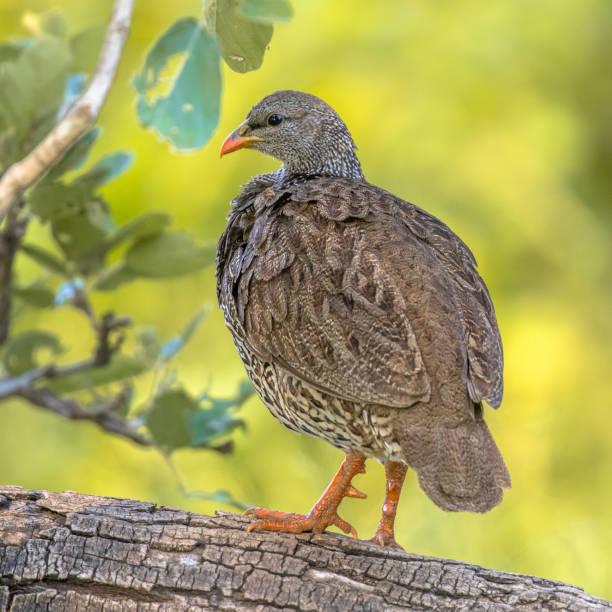
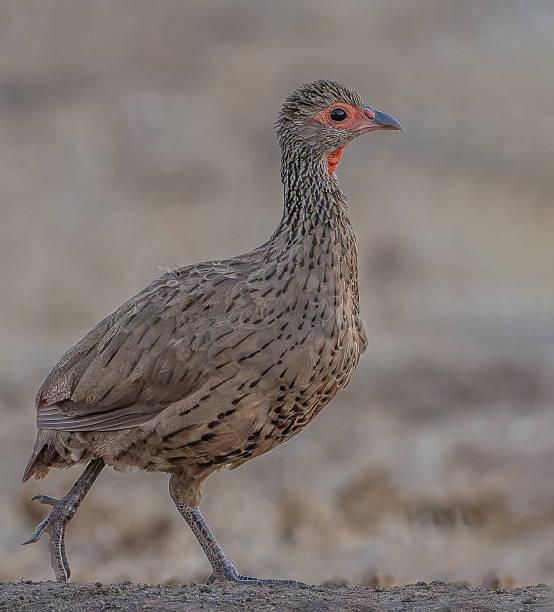
A Secretive Ground Bird of Tanzania’s Savannah and Woodlands The grey-rumped spurfowl is a shy, ground-dwelling bird commonly found in Tanzania’s savannahs, bushlands, and woodland edges. Although not as colorful or famous as many other African birds, it is an important part of the ecosystem and is frequently heard before it is seen. Its loud, repeated calls often echo through the bush at dawn and dusk, giving away its presence even when it remains hidden in vegetation. The species found in East Africa is the Grey-rumped spurfowl, a member of the pheasant and partridge family adapted to life on the ground in dense grass and scrub. What Is the Grey-rumped Spurfowl? The grey-rumped spurfowl is a medium-sized bird that belongs to the francolin group. It is primarily terrestrial, meaning it spends almost all its time walking or running on the ground rather than flying. It is well adapted to hiding in grass and shrubs, making it difficult to spot despite being relatively common. Its plumage is a mix of brown, grey, and buff tones, which provides excellent camouflage in dry savannah environments. The grey coloration on its lower back (rump) gives the species its name. When disturbed, it prefers to run quickly into cover rather than take flight, although it can fly short distances if necessary.
Appearance and Identification The grey-rumped spurfowl has a compact body, strong legs, and a short tail. Its overall coloration is designed for camouflage, blending perfectly with dry grass, leaf litter, and bushy surroundings. Its head is typically marked with subtle patterns, and its legs are strong and adapted for fast running. Unlike brightly colored birds, it relies on stealth rather than display for survival. Because of its camouflaged appearance, it is often easier to hear than to see in the wild.
Habitat in Tanzania This species is widely distributed across Tanzania and is commonly found in areas with a mix of grassland and light woodland.
It prefers:
- Savannah grasslands with scattered shrubs
- Acacia woodlands
- Bushy savannah and thickets
- Edge habitats near forests or rivers
In Tanzania, it is frequently seen in national parks such as Serengeti, Tarangire, and Ruaha, as well as in surrounding game reserves and conservancies.
Behavior in the Wild The grey-rumped spurfowl is usually seen alone or in small groups called coveys. These groups move quietly through grass and bush, foraging on the ground while staying alert to danger. It is most active during early morning and late afternoon when temperatures are cooler. During the hottest part of the day, it often rests in shaded or hidden areas. Its behavior is cautious and alert, and it relies heavily on stillness and camouflage to avoid predators.
Feeding Habits The grey-rumped spurfowl is an omnivorous ground feeder with a diet that changes depending on seasonal availability.
It feeds on:
- Seeds and grains
- Grass shoots and leaves
- Insects such as beetles, termites, and grasshoppers
- Small invertebrates
It forages by scratching the ground with its feet and pecking at food items hidden in grass or leaf litter. This behavior also helps aerate soil and distribute seeds.
Calls and Communication One of the most distinctive features of the grey-rumped spurfowl is its loud, repetitive call. These calls are often heard at dawn and dusk, especially in the dry season when sound travels further through open landscapes.
The calls serve several purposes:
- Marking territory
- Communicating within groups
- Warning others of danger
- Strengthening pair or group bonds
Even when the bird cannot be seen, its calls are a familiar sound in Tanzania’s savannah environments.
Predators and Survival Because it lives on the ground, the grey-rumped spurfowl is vulnerable to a wide range of predators, including birds of prey, snakes, and small carnivores.
Its main survival strategies include:
- Camouflage in dry vegetation
- Staying motionless when danger is near
- Running quickly into dense cover
- Staying close to group members
These adaptations help it survive in predator-rich environments like the Serengeti.
Role in the Ecosystem The grey-rumped spurfowl plays an important ecological role in Tanzania’s savannah systems. By feeding on insects and seeds, it helps control insect populations and contributes to plant dispersal. It is also an important prey species for many predators, forming a small but vital part of the food chain. Its presence is often an indicator of healthy, undisturbed ground vegetation.
Best Places to See Grey-rumped Spurfowl in Tanzania Although it is often hidden, it is fairly widespread and can be found in many safari areas.
Good locations include:
- Serengeti National Park – grassland and woodland edges
- Tarangire National Park – bush and acacia zones
- Ruaha National Park – dry savannah habitats
- Ngorongoro Conservation Area – mixed grassland and shrub areas
- Selous (Nyerere National Park) – woodland and riverine zones
Final Thoughts The grey-rumped spurfowl may not be the most colorful or famous bird in Tanzania, but it is an important and fascinating part of the savannah ecosystem. Its secretive nature, distinctive calls, and ground-dwelling lifestyle make it a classic example of wildlife adapted for survival in open African landscapes. Whether seen briefly darting through grass or heard calling at sunrise, it adds depth and authenticity to the natural soundscape of Tanzania’s wilderness.
How Grey Fits Into a Tanzania Safari
Grey matters because a great Tanzania safari is not only a list of sightings. It is a sequence of landscapes, seasons, guide decisions, comfort choices, and small field moments that shape how the journey feels. This Tanzania birdwatching guide keeps the supplied notes intact and expands them into practical planning advice for travelers comparing routes, timing, accommodation, photography, and guiding style.
Bird-focused travelers should use this guide to slow down the drive, listen more carefully, and connect habitat with behavior. Many of Tanzania’s most rewarding bird sightings happen while other guests are scanning for larger wildlife, so a guide who understands birds can make the whole safari feel richer.
Best Safari Conditions and Viewing Strategy
Field success depends on timing, patience, and interpretation. Early morning gives cooler light, more movement, and better photography. Late afternoon can be excellent for relaxed behavior and softer color. Midday still has value when guests understand shade, water, thermals, migration pressure, or the comfort rhythm of a longer safari day.
- Travel with a guide who can explain habitat, not only identify the subject.
- Keep binoculars or a camera ready before the vehicle stops.
- Watch behavior first, then confirm details such as shape, markings, tracks, calls, or movement.
- Give sightings time. The best moment often happens after the first quick look.
Planning With Tanview Safaris
Tanview Safaris can shape this topic into a route that matches the traveler’s interest. A wildlife-first guest may want slower game drives and more time in open habitats. A photography guest may prefer flexible mornings and better light. A family may need shorter drive sections, clear meal timing, and guides who explain the bush in a warm, patient way. A premium safari may combine stronger guiding with carefully chosen lodges or tented camps that make the day feel calm instead of rushed.
For a stronger plan, connect this guide with Safari Smart Tours, Tanzania Safari Guide, Birdwatching Guide, and Enquiry Now. Those internal resources help turn research into a route, budget, season choice, and booking conversation.
Responsible Safari Notes
Responsible travel protects the experience that visitors come to see. Keep a respectful distance, avoid pressuring guides to disturb wildlife, never feed animals, and treat sensitive habitats carefully. Ethical viewing also improves the quality of the sighting: relaxed wildlife behaves naturally, photographs look better, and the guide can explain the scene without rushing.
How to Combine This With a Wider Route
Most travelers get the best value when this topic is not treated as a stand-alone idea, but as part of a wider route. A northern Tanzania safari can combine Tarangire, Lake Manyara, Ngorongoro, Serengeti, Arusha, village experiences, waterfalls, cultural stops, and specialist wildlife interests in one smooth plan. The right order matters because it affects drive time, fatigue, photography light, and how naturally the trip builds from arrival to the final day.
When guests contact Tanview Safaris, the most useful details are travel month, number of days, comfort level, special interests, mobility needs, and whether the trip should feel adventurous, quiet, family-friendly, romantic, or photography-led. With those details, the team can recommend which experiences deserve a full day, which work best as a short stop, and which should be avoided in the wrong season.
This is also where honest planning helps most. Some experiences look simple on paper but depend on road condition, recent weather, local access, daylight, and how much energy guests have after previous safari days. A well-built itinerary leaves enough breathing room for the experience to feel memorable instead of squeezed between transfers.
Questions to Ask Before You Travel
- Which park, route, or lodge area gives the strongest chance for this interest?
- How much time should be allowed so the experience does not feel rushed?
- What season gives the best balance of weather, wildlife, cost, and comfort?
- Which guide skills, vehicle setup, and accommodation style will improve the day?
FAQ About Grey
Is Grey useful when planning a Tanzania safari?
Yes. This guide gives travelers a focused way to understand the topic before choosing dates, routes, guiding style, and the pace of the safari.
Can Tanview Safaris include this interest in a custom itinerary?
Yes. Guests can mention this interest during the enquiry stage so the team can suggest suitable parks, timing, lodges, and drive structure.
Does this guide include the supplied PDF information?
Yes. The article uses the supplied notes and images, then adds practical Tanzania safari context so the page is helpful for both readers and search engines.
What should I ask before booking?
Ask about the best season, realistic viewing chances, drive length, guide expertise, photography needs, accommodation style, and how this topic fits with the wider safari route.