
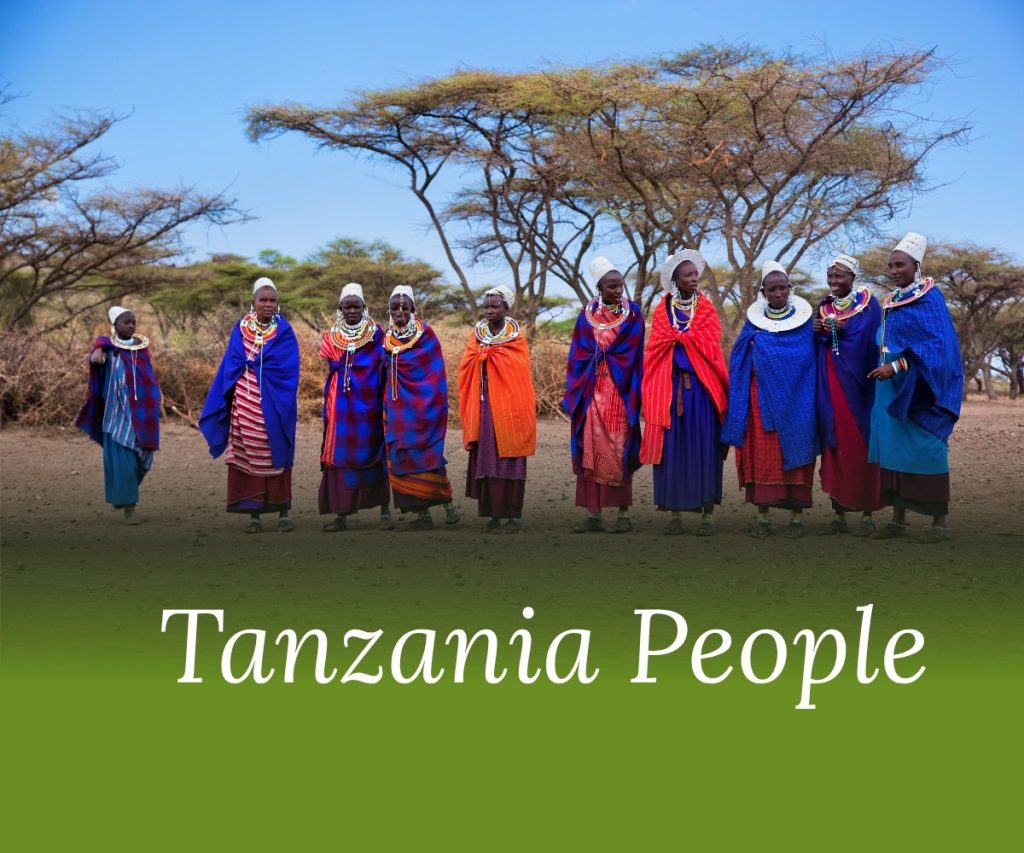
Tanzania People, Culture, Religion and Interesting Facts
Tanzania is known for its welcoming people, cultural diversity, beautiful landscapes, wildlife, Mount Kilimanjaro, Zanzibar and the Serengeti. This guide explains Tanzania people and culture, Tanzanian names, religions, ethnic groups, famous Tanzanian people and important Tanzania people facts.
What Are the People of Tanzania Called?
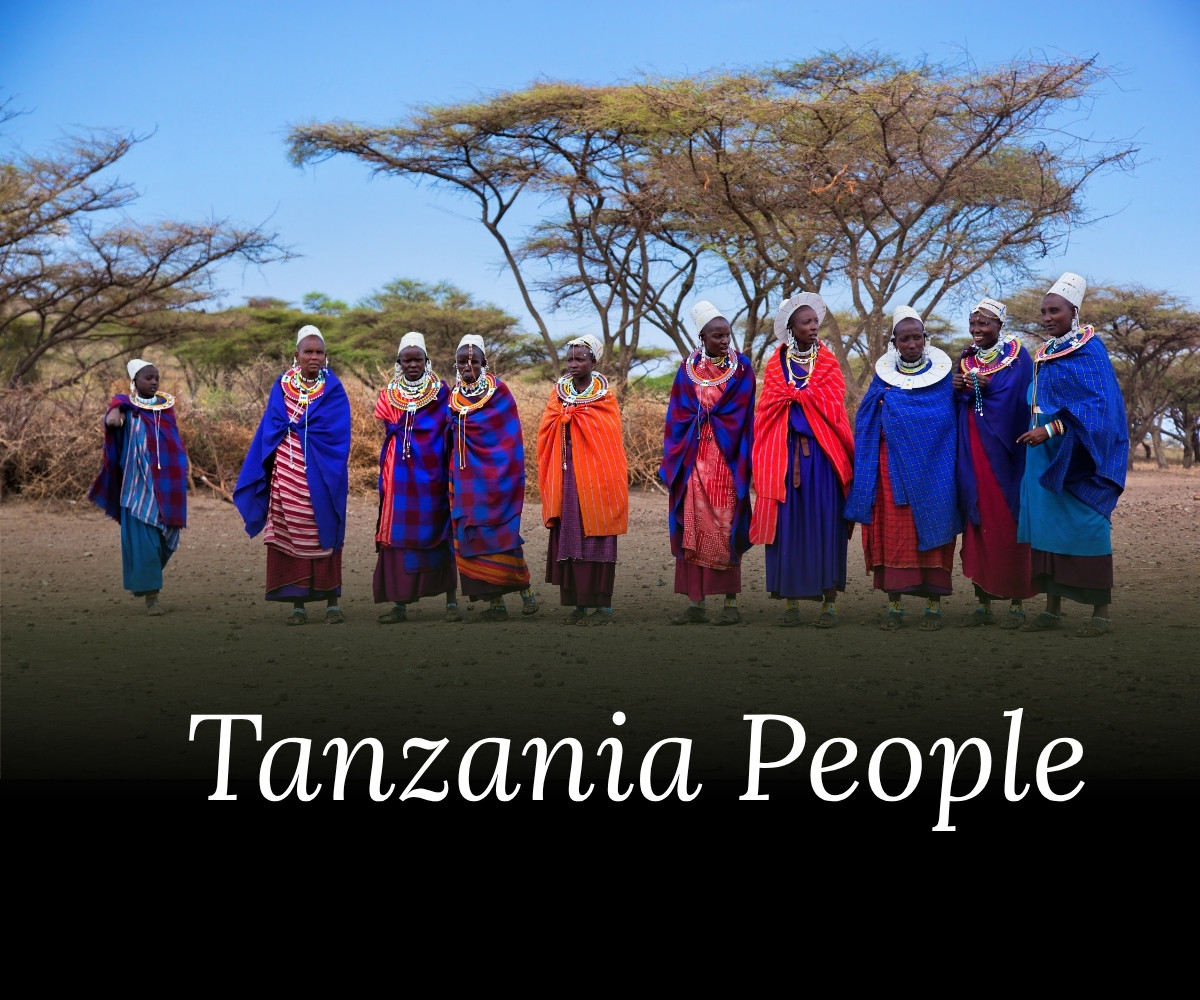
The people of Tanzania are called Tanzanians. Tanzanians are widely known for their kindness, hospitality, community spirit and warm welcome toward visitors.
Tanzania has many ethnic communities with different customs and local languages. Kiswahili helps connect people throughout the country and is commonly used in daily communication.
What Are 5 Facts About Tanzania?
- Tanzania’s official country name is the United Republic of Tanzania.
- Tanzania was formed through the union of Tanganyika and Zanzibar in 1964.
- The country is home to more than 100 ethnic and linguistic communities.
- Tanzania contains Mount Kilimanjaro, the Serengeti, Ngorongoro Crater and the islands of Zanzibar.
- Kiswahili is the national language and is widely spoken throughout Tanzania. English is also used in tourism, education and business.
Visitors can experience these landscapes and communities through a Tanzania safari with Tanview Safaris .
What Are Tanzanian People Known For?
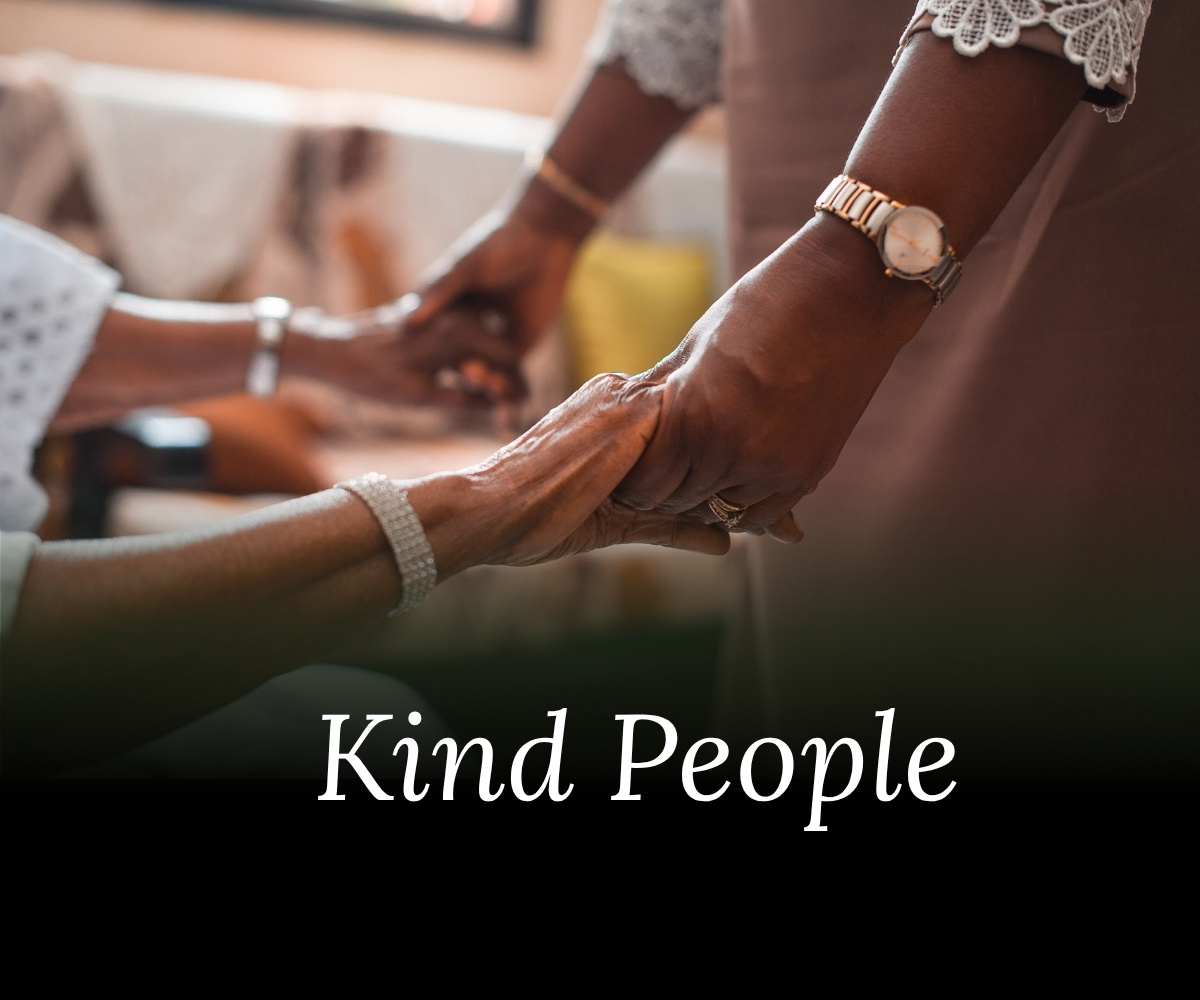
Tanzanian people are known for hospitality, respect, resilience, cultural diversity and strong community relationships. Guests are often welcomed with the Kiswahili word “karibu,” which means welcome.
Tanzanians are also known for music, art, storytelling, traditional dances, farming, pastoral life, fishing, trade and wildlife conservation. Customs differ between communities, so Tanzanian culture should not be treated as one single way of life.
Travellers interested in meeting local communities can explore cultural activities in Tanzania .
Tanzania People and Culture
Tanzania people and culture reflect the country’s long history, ethnic diversity, coastal trade, indigenous traditions and modern national identity. Family, respect for elders, hospitality and cooperation are important values in many Tanzanian communities.
Clothing, food, celebrations, marriage traditions, music and daily life vary between mainland Tanzania, Zanzibar, cities, farming communities and pastoral areas.
Popular Tanzanian foods include ugali, rice, beans, plantains, grilled meat, fish, chapati and coastal dishes prepared with coconut and spices.
Visitors should greet people politely, ask before taking Tanzania people photos and respect instructions when entering homes, villages and places of worship.
Learn how to plan respectful community experiences through the Maasai cultural visit in Tanzania guide .
Ethnic Groups and Demographics
Bantu Communities
Many Tanzanian ethnic communities speak Bantu languages. These include the Sukuma, Chaga, Nyamwezi, Haya, Gogo, Hehe, Makonde and many others. The Sukuma are one of the largest ethnic groups in Tanzania.
Nilotic and Cushitic Communities
Tanzania is also home to Nilotic and Cushitic speaking communities. These include the Maasai, Datoga and Iraqw. Some communities have traditionally practised pastoralism, while others have histories connected to farming, trade and mixed livelihoods.
Hadzabe and Sandawe Communities
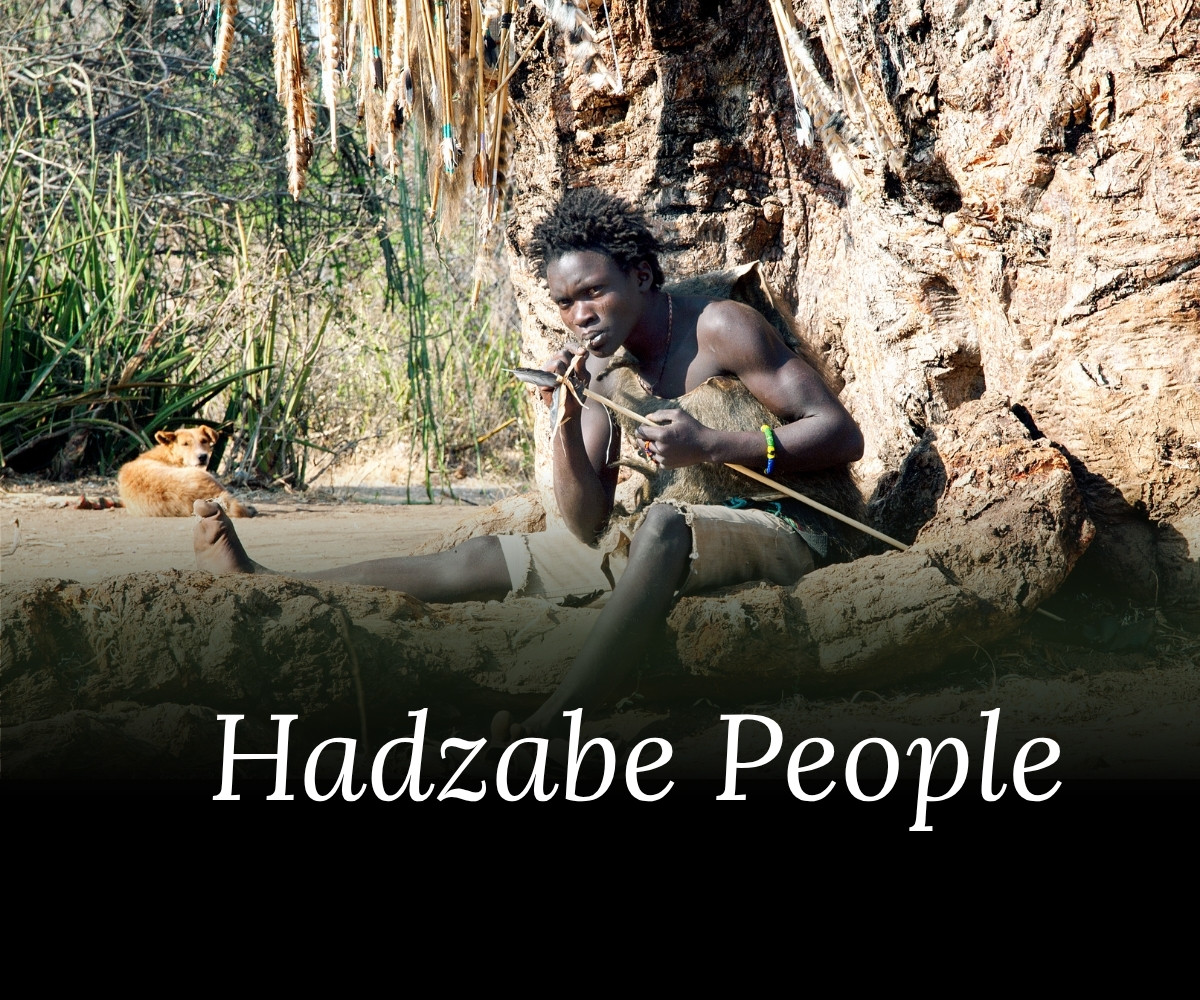
The Hadzabe are an indigenous community associated with the Lake Eyasi area. They are known for a hunter gatherer tradition and a distinctive language. Cultural visits should always be respectful, community led and arranged through responsible local operators.
Tanzania People Religion
Tanzania is religiously diverse. Christianity and Islam are the two largest religions, while some Tanzanians follow traditional African beliefs, Hinduism and other faiths. Religious identity and practices vary by region, family and community.
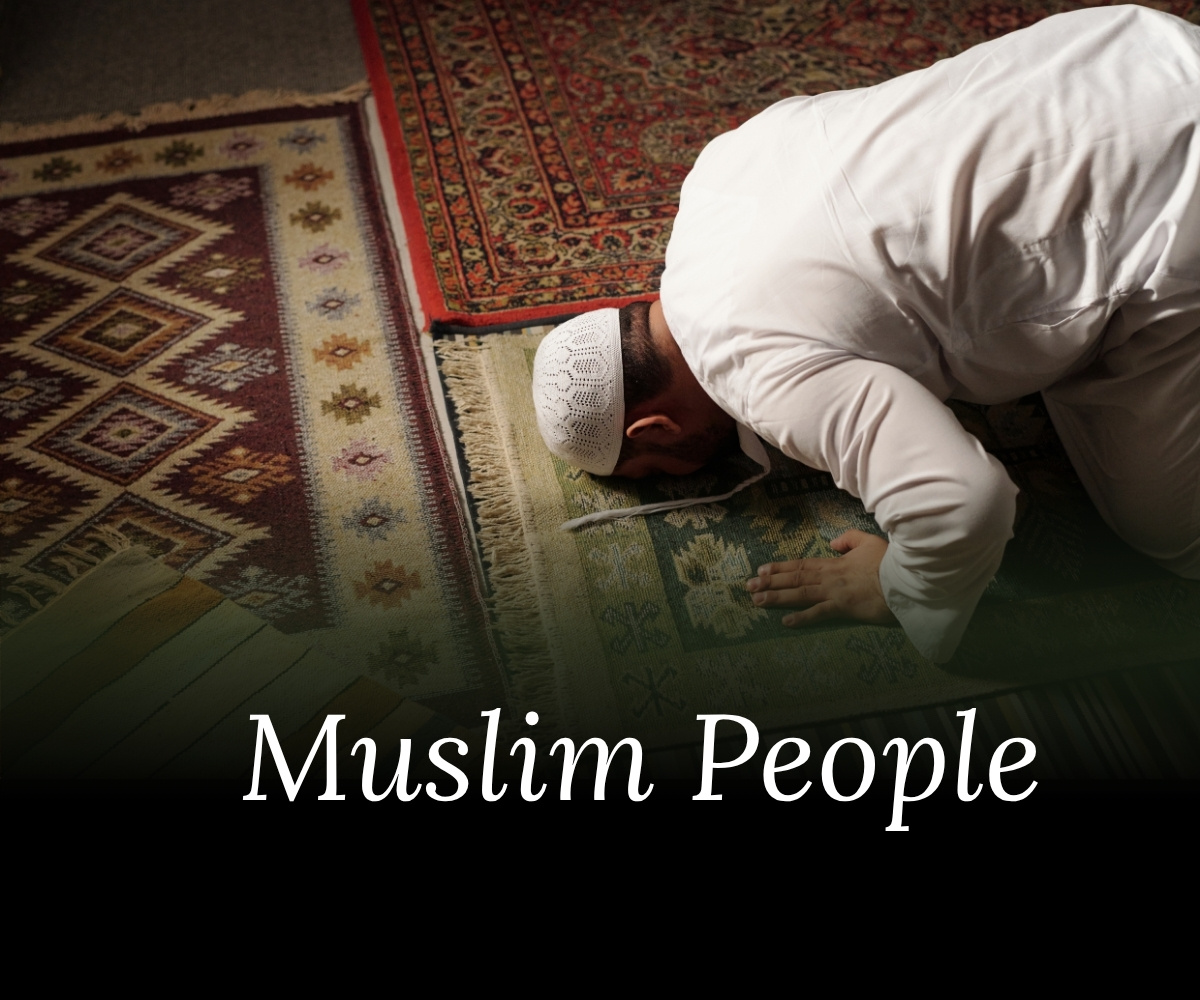
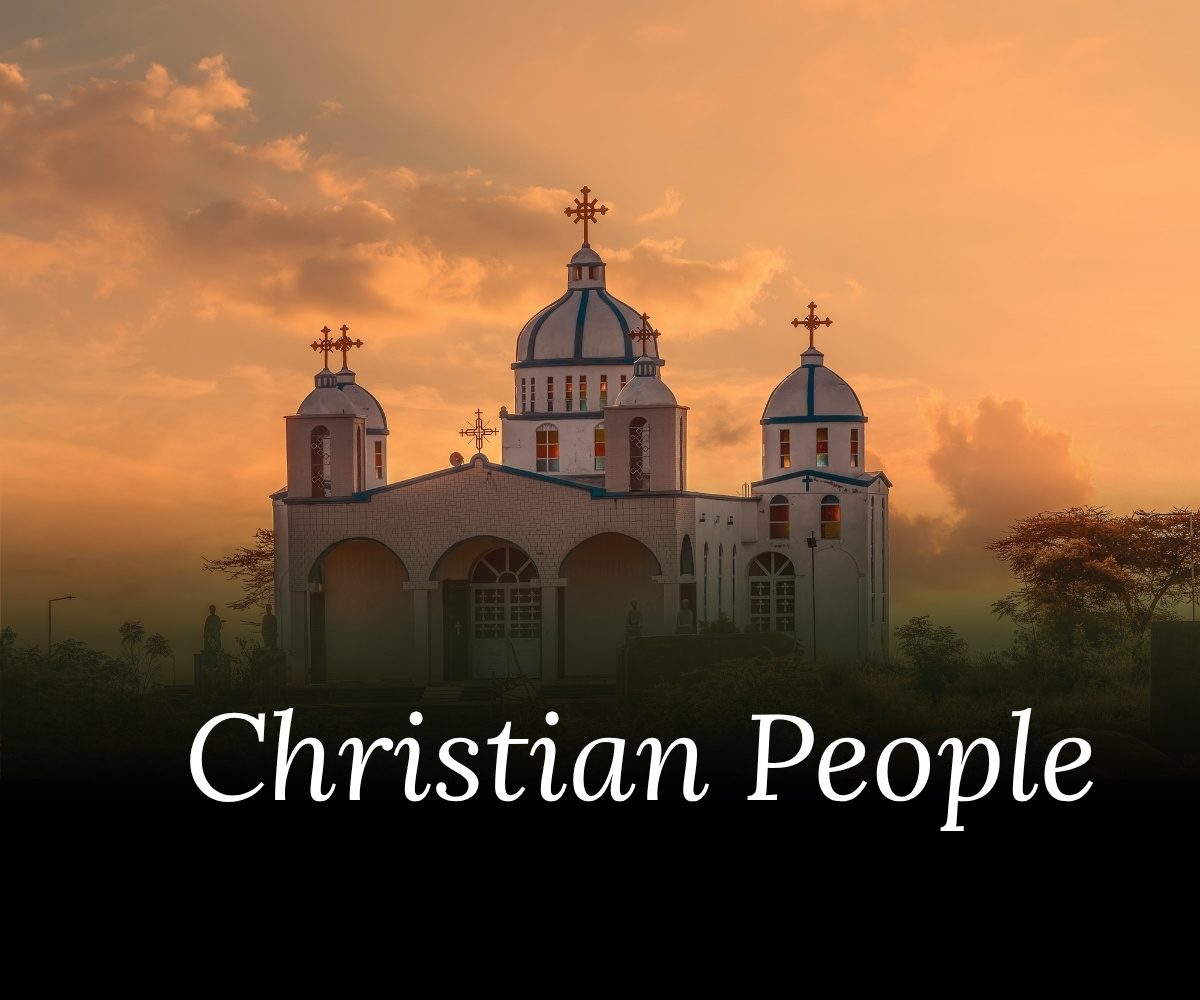
Islam has a strong historical presence along the coast and in Zanzibar. Christianity is practised widely across mainland Tanzania. Visitors should dress respectfully and ask permission before photographing religious ceremonies or places of worship.
Tanzania People Names
Tanzania people names may come from Kiswahili, Arabic, Christian, indigenous ethnic and family traditions. A person may have a given name, family name and another name connected to religion, relatives or circumstances surrounding birth.
Common Tanzanian names include Amani, Baraka, Neema, Rehema, Zawadi, Juma, Hamisi, Asha, Halima, Joseph, John, Grace and Elizabeth. Naming traditions vary widely, so these examples do not represent every Tanzanian community.
In Kiswahili, Amani means peace, Baraka means blessing, Neema means grace and Zawadi means gift.
What Does Tanzania Look Like?
Tanzania has a varied and beautiful landscape. Northern Tanzania contains volcanic highlands, open savannahs, forests and famous wildlife areas. Central Tanzania includes broad plateaus and drier landscapes, while the eastern region reaches the Indian Ocean.
The country includes Mount Kilimanjaro, the Serengeti plains, Ngorongoro Crater, Tarangire’s baobab landscapes, Lake Victoria, Lake Tanganyika and the tropical beaches of Zanzibar.
Explore Tanzania’s scenery through the guide to the best safari destinations in Africa .
Travellers can also compare available Tanzania safari tours and itineraries .
Are Tanzania People White or Black?
Tanzania is an African country whose population is predominantly Black African. However, Tanzanian identity is based on nationality and shared belonging rather than one appearance.
Tanzania also has citizens and residents with African, Arab, Asian, European and mixed heritage. People have different skin tones, languages, religions and family histories. It is more respectful and accurate to describe someone as Tanzanian rather than making assumptions based only on appearance.
Is Tanzania a Rich or Poor Country?
Tanzania is a developing country with valuable natural resources, fertile land, wildlife, minerals, tourism attractions and a growing market. At the same time, many households experience limited income, unemployment, infrastructure challenges and unequal access to essential services.
Describing Tanzania only as rich or poor gives an incomplete picture. The country has significant economic opportunities, natural wealth and cultural richness, but it also faces development challenges.
Responsible tourism can support guides, drivers, accommodation workers, farmers, craftspeople and community projects when trips are operated fairly and locally.
Famous Tanzania People
Tanzania has produced influential leaders, musicians, athletes, writers and public figures. Well known Tanzanians and people born in present day Tanzania include:
- Julius Nyerere, Tanzania’s first president and an important figure in the country’s independence and national identity.
- Samia Suluhu Hassan, a Tanzanian political leader and the country’s first female president.
- Ali Hassan Mwinyi, a former president of Tanzania.
- Benjamin Mkapa, a former president of Tanzania.
- Jakaya Kikwete, a former president of Tanzania.
- Diamond Platnumz, an internationally recognised Tanzanian musician.
- Filbert Bayi, a Tanzanian middle distance runner and Commonwealth Games champion.
- Abdulrazak Gurnah, a Zanzibar born novelist and Nobel Prize laureate in literature.
- Freddie Mercury, the Queen singer who was born in Zanzibar before it became part of the United Republic of Tanzania.
Tanzania People Photos
Tanzania people photos can show daily life, celebrations, markets, traditional clothing, religious communities and cultural experiences. Travellers should always ask before photographing individuals, especially children, ceremonies and private community events.
A respectful photograph should represent people with dignity and should not portray every Tanzanian as belonging to one tribe, profession or traditional way of life.
Planning a Cultural and Wildlife Safari in Tanzania
A Tanzania safari can combine wildlife viewing with food experiences, local storytelling, village visits and respectful cultural activities. Cultural encounters should benefit local hosts and allow communities to explain their lives in their own words.
Tanview Safaris is based in Arusha and helps travellers plan private Tanzania safari experiences around Serengeti, Ngorongoro, Tarangire, Lake Manyara, Kilimanjaro and Zanzibar.
Frequently Asked Questions About Tanzania People
What are 5 facts about Tanzania?
Tanzania’s official name is the United Republic of Tanzania. It was formed through the union of Tanganyika and Zanzibar. Kiswahili is the national language. Dodoma is the capital, and Tanzania is home to Mount Kilimanjaro, Serengeti National Park and Zanzibar.
What are Tanzanian people known for?
Tanzanian people are known for hospitality, kindness, cultural diversity, community values and warmly welcoming visitors.
What are the people of Tanzania called?
The people of Tanzania are called Tanzanians. One person from Tanzania is called a Tanzanian.
Is Tanzania a rich or poor country?
Tanzania is a developing economy with natural resources, tourism potential and a growing market. It also faces challenges involving poverty, employment, infrastructure and unequal access to services.
What does Tanzania look like?
Tanzania has mountains, savannahs, forests, lakes, volcanic highlands, an Indian Ocean coastline and tropical islands. Famous landscapes include Kilimanjaro, Serengeti, Ngorongoro, Tarangire and Zanzibar.
What is Tanzania’s official country name?
The official name is the United Republic of Tanzania. In Kiswahili, it is called Jamhuri ya Muungano wa Tanzania.
What religion do Tanzania people follow?
Christianity and Islam are Tanzania’s largest religions. Traditional African beliefs, Hinduism and other religions are also represented.
Are Tanzania people friendly?
Many travellers find Tanzanian people friendly, respectful and welcoming, although no description applies to every individual.
Are Tanzania people White or Black?
Most Tanzanians are Black Africans, but Tanzania also includes citizens with Arab, Asian, European and mixed heritage. Tanzanian describes nationality rather than one skin colour.
What are common Tanzania people names?
Common Tanzanian names include Amani, Baraka, Neema, Rehema, Zawadi, Asha, Juma, Hamisi, Joseph, Grace and Halima. Naming traditions vary between families and communities.
Can tourists take photos of Tanzania people?
Tourists should ask permission before taking photographs of people, particularly children, religious ceremonies, homes and private community events.
What is special about Tanzania culture?
Tanzania culture combines many ethnic traditions, Kiswahili identity, coastal history, religious diversity, music, food, storytelling and community relationships.
Who are some famous Tanzania people?
Famous people associated with Tanzania include Julius Nyerere, Abdulrazak Gurnah, Diamond Platnumz, Filbert Bayi, Samia Suluhu Hassan and Freddie Mercury, who was born in Zanzibar.